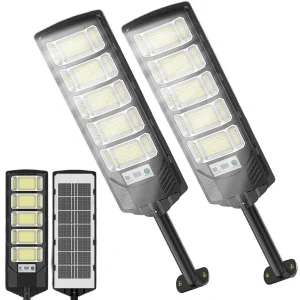
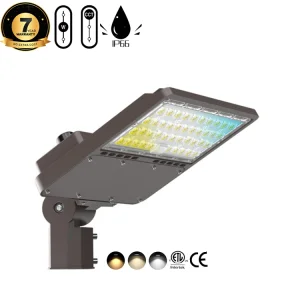
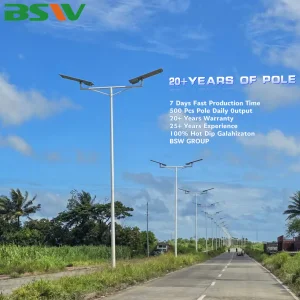
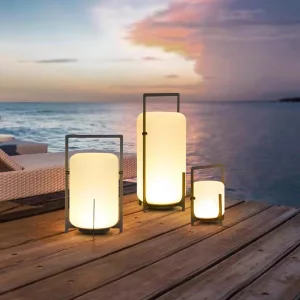
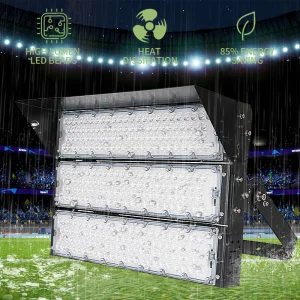
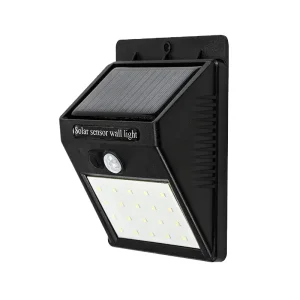
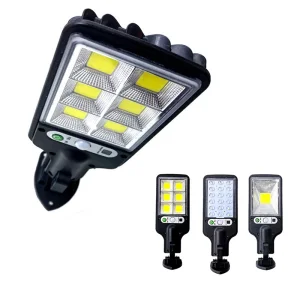
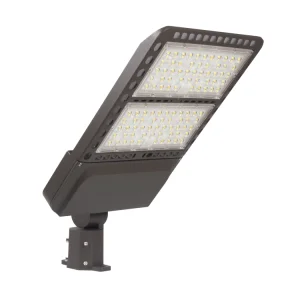
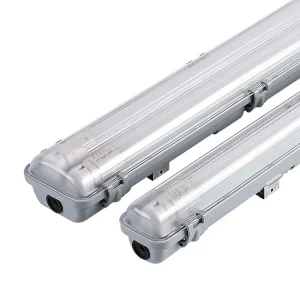
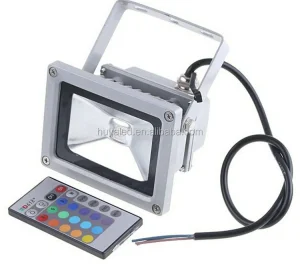
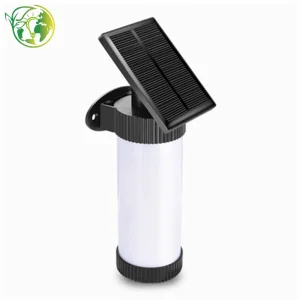
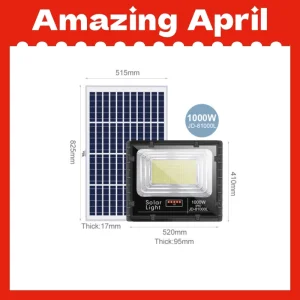
Explore our high-performance architectural and industrial-grade lighting solutions, optimized for commercial applications, municipal parking corridors, and long-term utility deployments.
The commercial solar lighting industry is experiencing an unprecedented technological convergence. Driven by global decarbonization initiatives, grid infrastructure costs, and smart city policies, municipal buyers and industrial project managers are transitioning rapidly away from traditional localized grid-connected lighting configurations. In the global B2B procurement sphere, selecting the right partner requires navigating a complex matrix of engineering integrity, technical compatibility, and global logistic resilience.
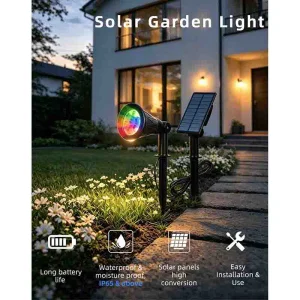
Modern Solar Motion Sensor Lights are no longer simple off-grid installations; they are smart nodes integrated with high-efficiency monocrystalline PV panels, advanced MPPT (Maximum Power Point Tracking) charge controllers, smart microwave sensors, and long-life Lithium Iron Phosphate (LiFePO4) storage batteries. This whitepaper serves as an authoritative evaluation tool for engineering procurement specialists, project planners, and B2B distributors who require deep insight into manufacturing standards and supply chain reliability.
When surveying global suppliers, procurement professionals must move beyond top-line price points. The real cost of ownership lies in operational lifespans, failure rates under extreme thermal loading, and localized regulatory compliance. Below is an engineering framework for assessing factories:
| Evaluation Parameter | Standard Requirement | Advanced Enterprise Specification |
|---|---|---|
| Battery Chemistry | Ternary Lithium / Lead-Acid (1-2 Year Lifespan) | Grade-A LiFePO4 cells with Smart BMS (2,000+ Cycles) |
| Photovoltaic Conversion | Polycrystalline panels (~15-17% efficiency) | High-efficiency Monocrystalline cells (21-23.5% efficiency) |
| Sensor Technology | PIR (Passive Infrared) sensor - narrow detection cone | High-frequency Microwave Radar with adaptive logic filtering |
| Enclosure Design | ABS Plastic casing with low UV stabilizers | Die-Cast ADC12 Aluminum with anti-corrosion marine finish |
| Warranty & Compliance | Basic 1-2 Year standard warranty without local safety certs | 5-Year Complete Warranty, ETL, DLC, CE, LM79, EMC, CB |
Established in 2010, Guangdong Habel Lighting Co., Ltd. has evolved over nearly a decade and a half into an industry-leading manufacturer and exporter specializing in high-performance LED indoor lighting and highly engineered outdoor solar systems. Our operational philosophy centers on precision engineering, relentless technological innovation, and direct alignment with the rigid demands of global B2B procurement structures.
With an experienced leadership matrix crossing R&D, quality control, production engineering, and logistics—where individual division leaders carry an average of 5 to 10+ years of vertical lighting experience—we address complex structural specifications, high-volume orders, and intensive OEM/ODM requirements with speed and integrity.
1. Strong R&D and Technical Team: Our core design engineers continuous introduce advanced product updates annually, maintaining an extensive portfolio of design patents and thermal management frameworks. This robust R&D force permits seamless translation of clients' sketches into production-ready CAD drawings and working prototypes.
2. Adequate Material Inventory: To combat global supply volatility, our warehouse preserves massive inventories of raw components (LED chip arrays, silicon panels, extruded aluminum structures, high-performance battery cells). This ensures consistent quality, fast production turns, and a major reduction in overall shipping lead times.
3. Strict Quality Inspection System: Spearheaded by a senior Quality Control Manager with more than 15 years of industry-specific testing experience, our multi-layered QC protocols cover incoming materials, line-production, visual audits, and final thermal stability checks. Every field failure feedback loop triggers immediate corrective root-cause analyses.
4. Fast and Reliable After-Sales Service: Our customer-facing support teams operate under strict SLA guidelines. We commit to acknowledging and responding to customer concerns within 24 hours, presenting definitive, actionable resolutions within 48 hours.
Operational reliability is built through consistent processes. Every solar motion light manufactured by Habel Lighting undergoes a rigorous six-step assembly framework to guarantee structural seal integrity and electrical longevity.
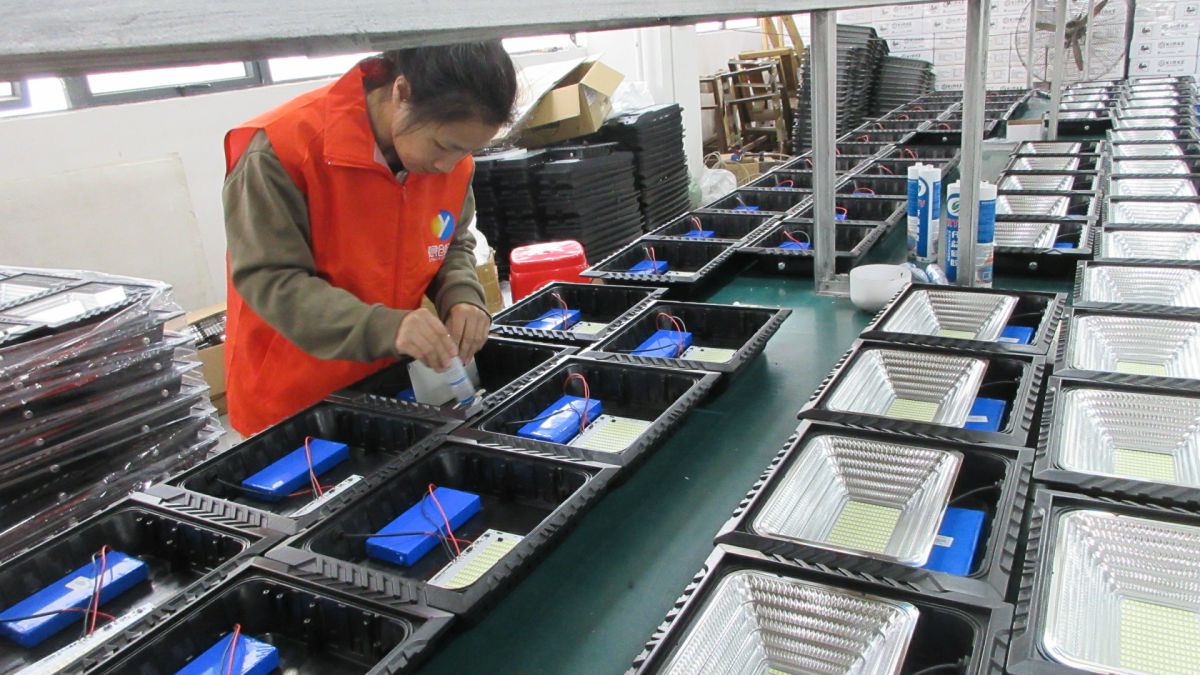
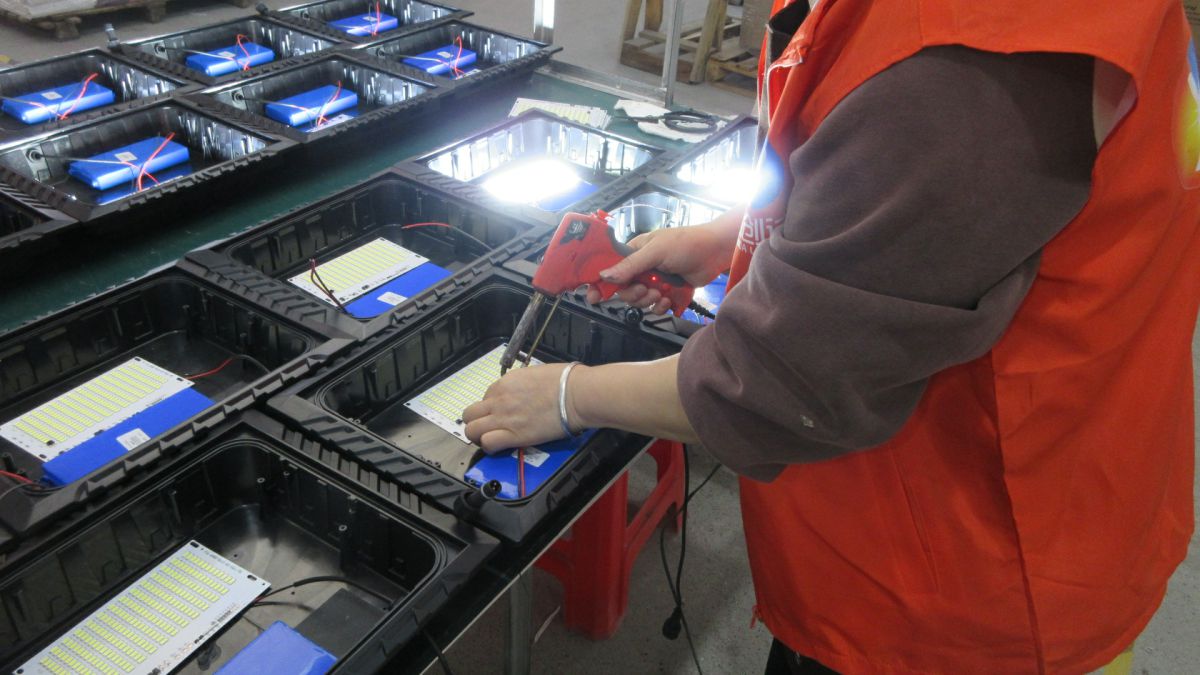
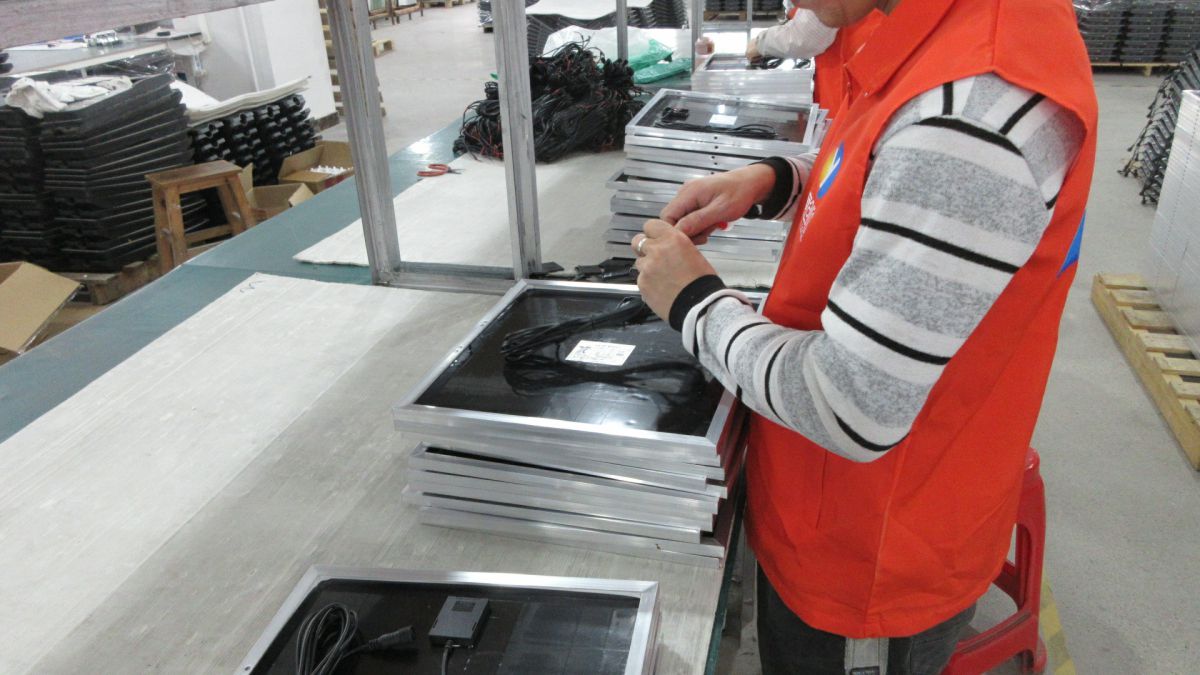
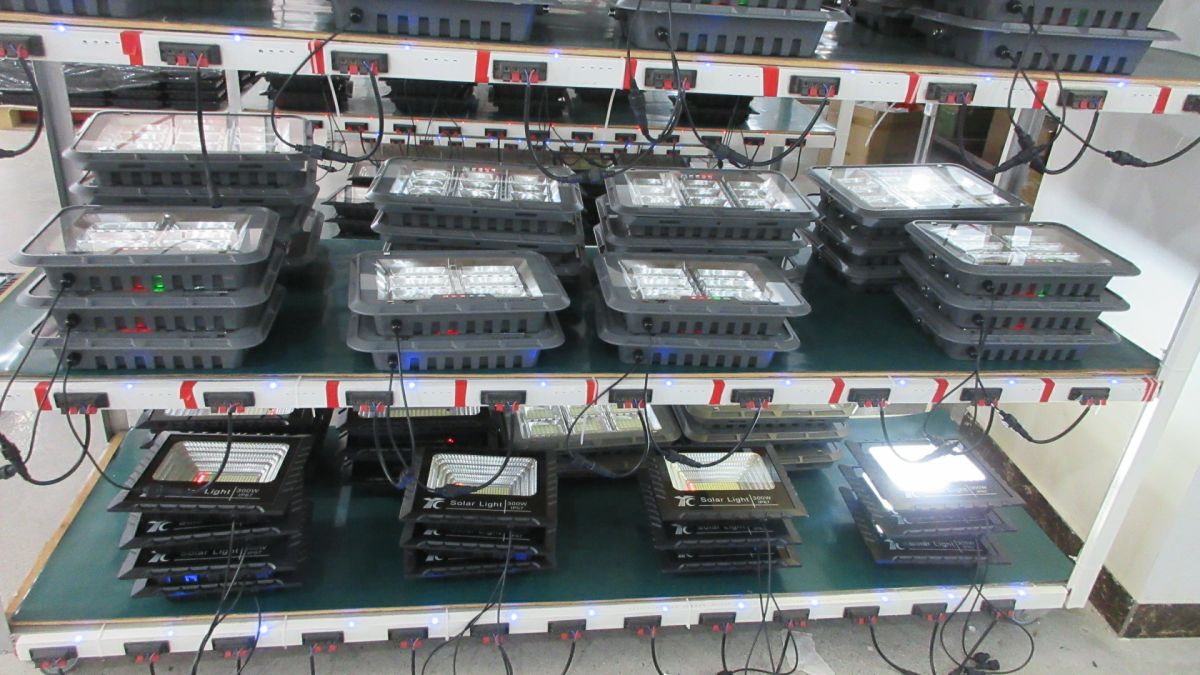
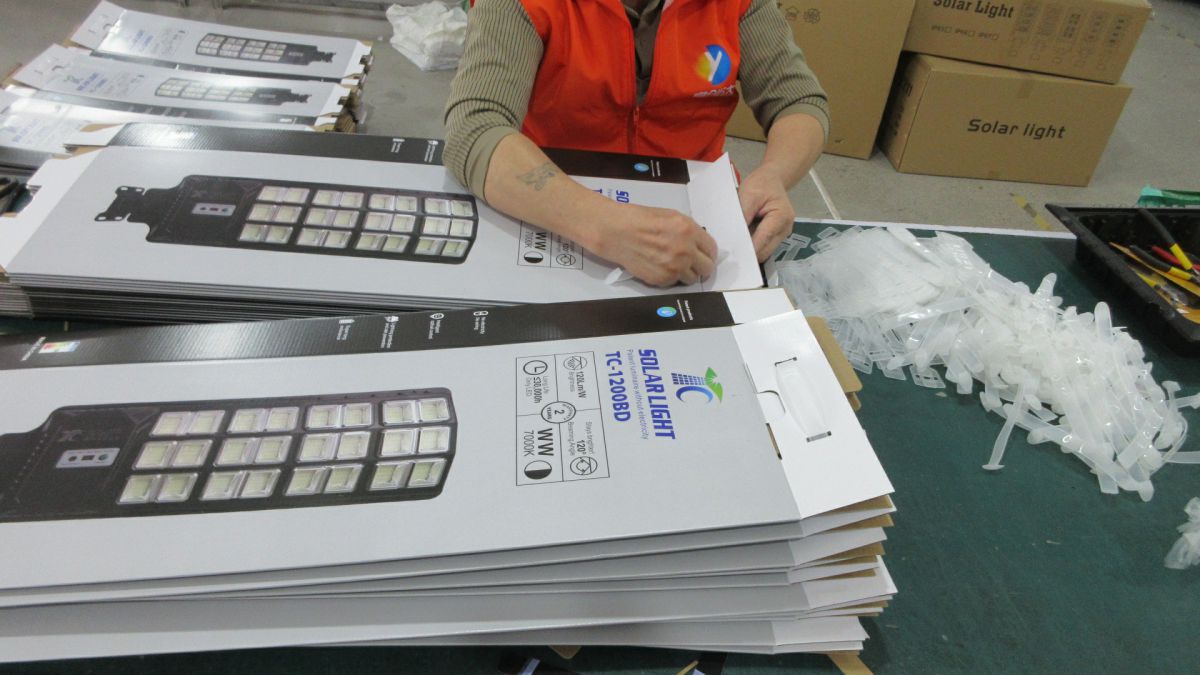
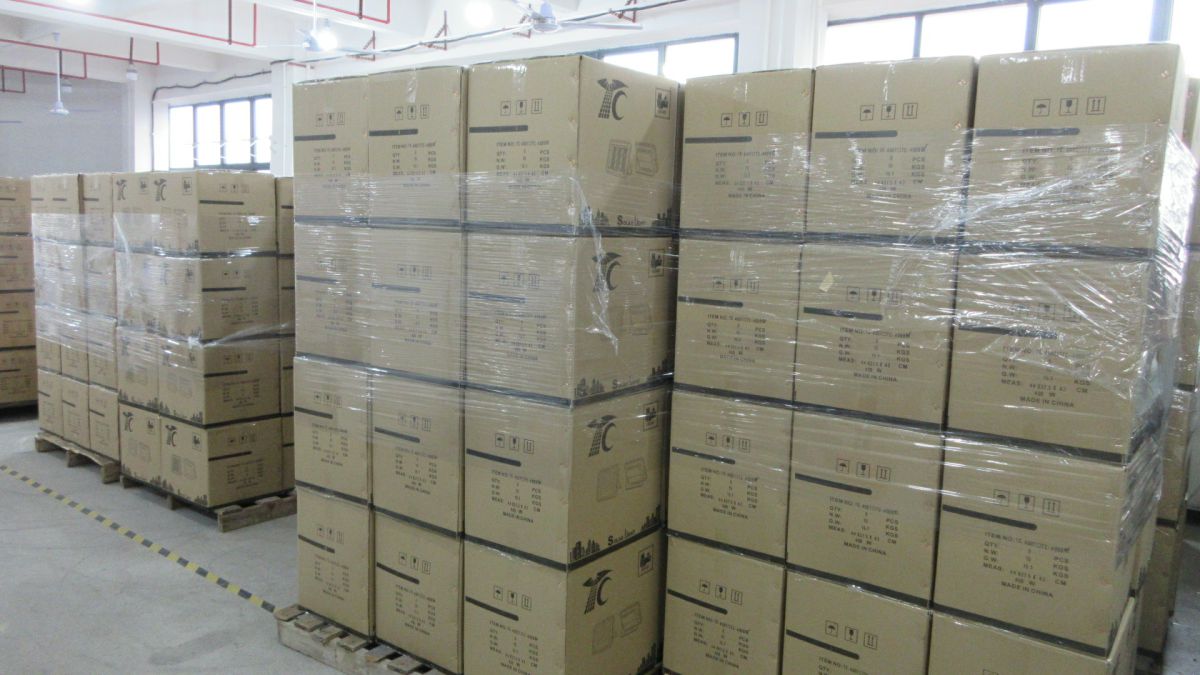
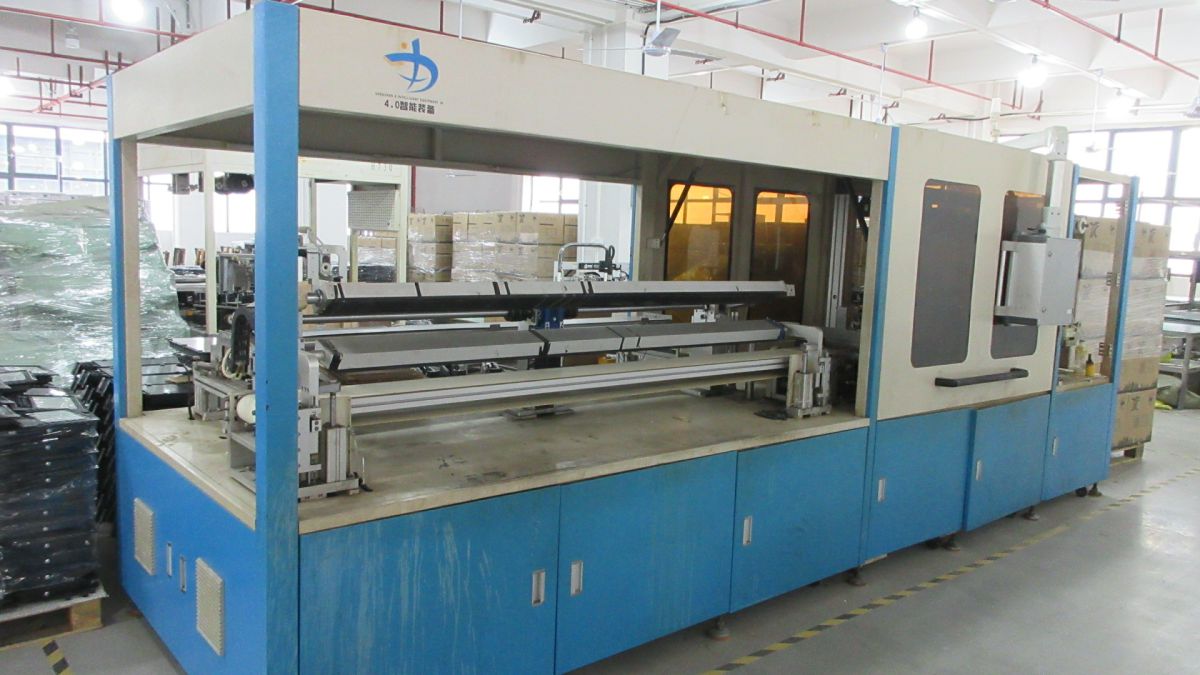
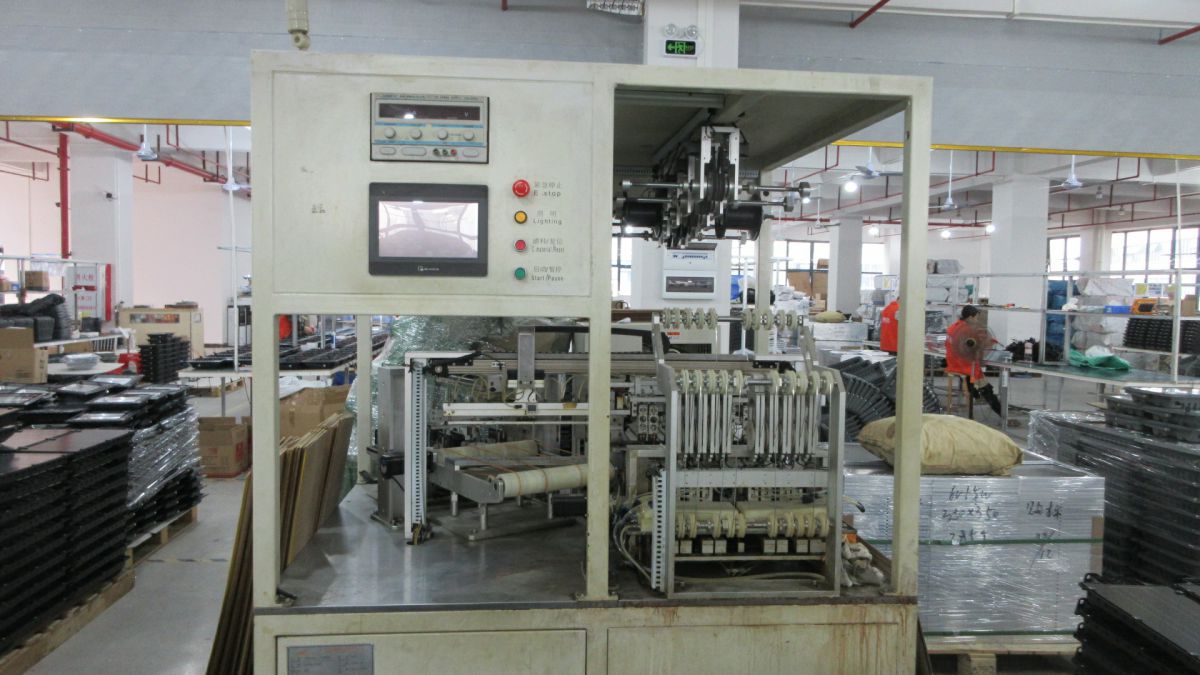
Our facility is outfitted with automated machineries designed specifically for high-capacity monocrystalline solar panel processing and long-term durability benchmarking. These units maintain geometric and electrical consistency across multi-million piece batches.
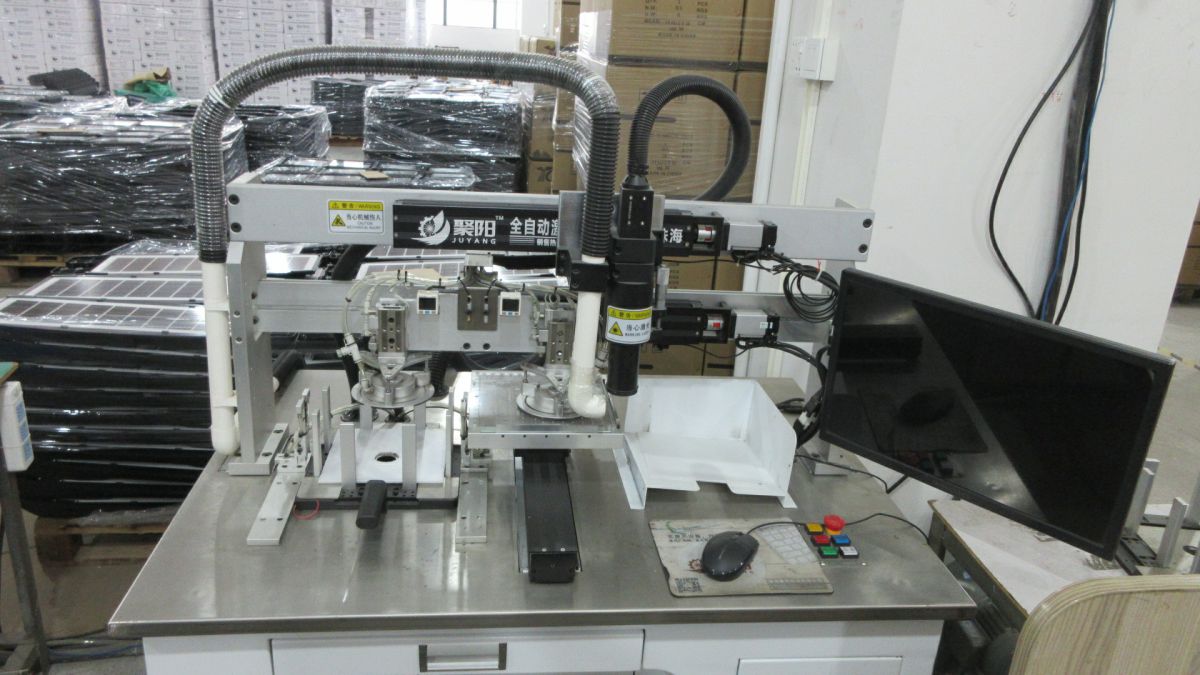
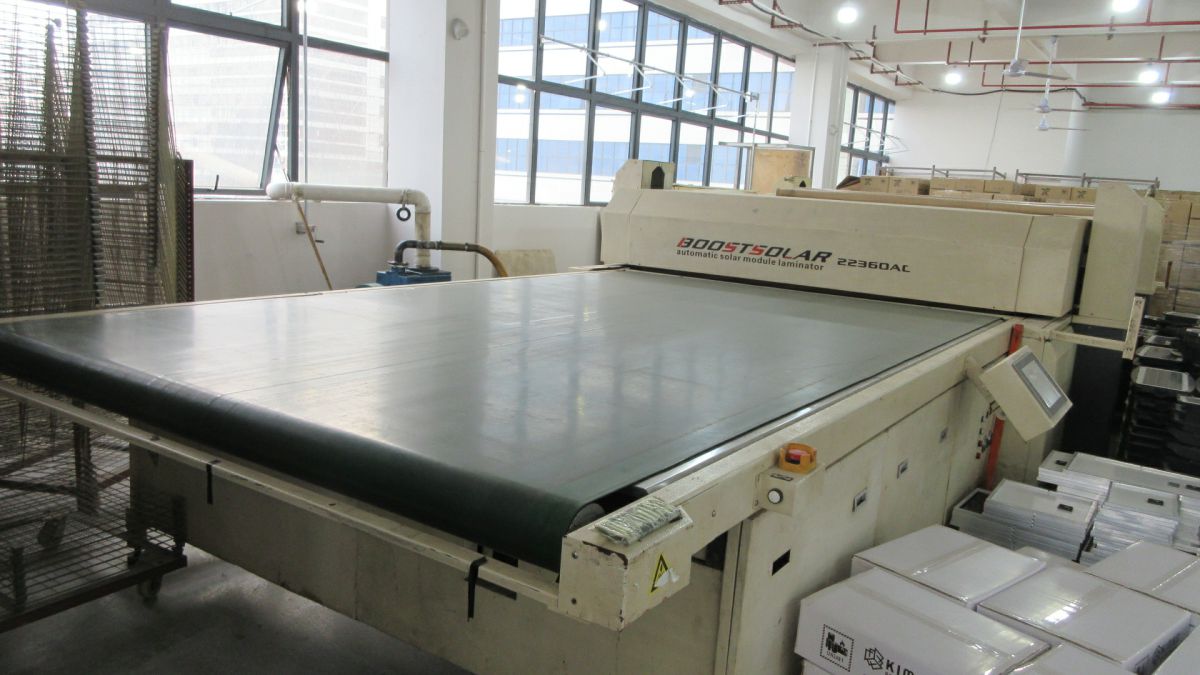
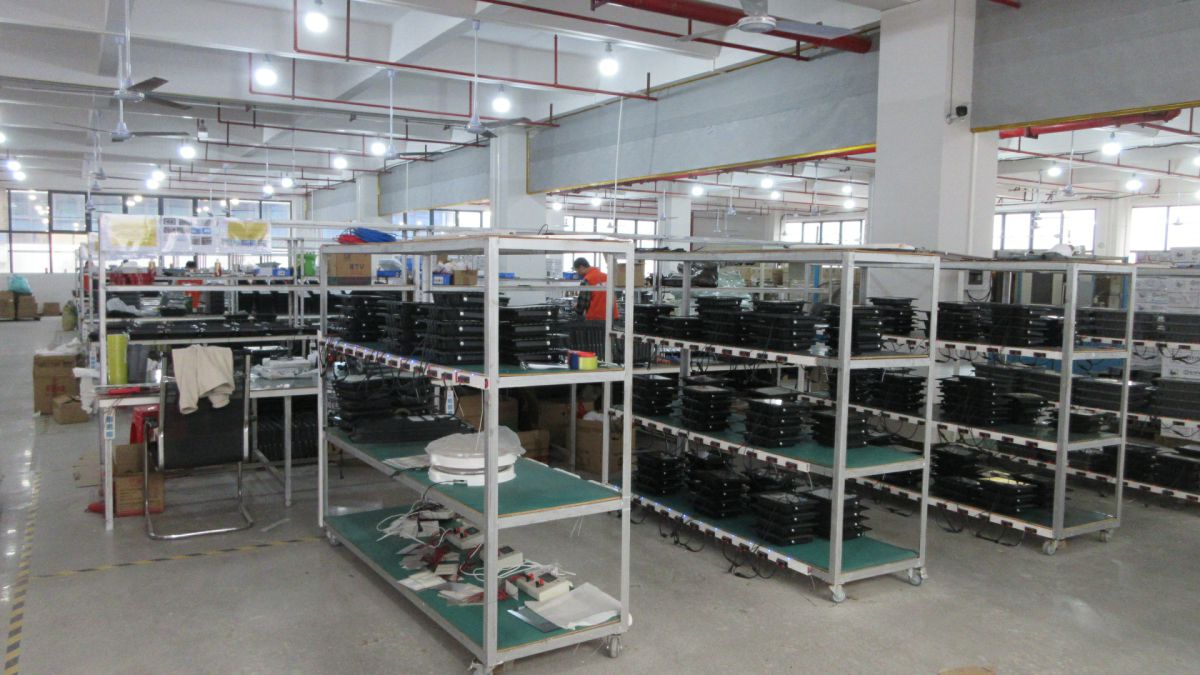
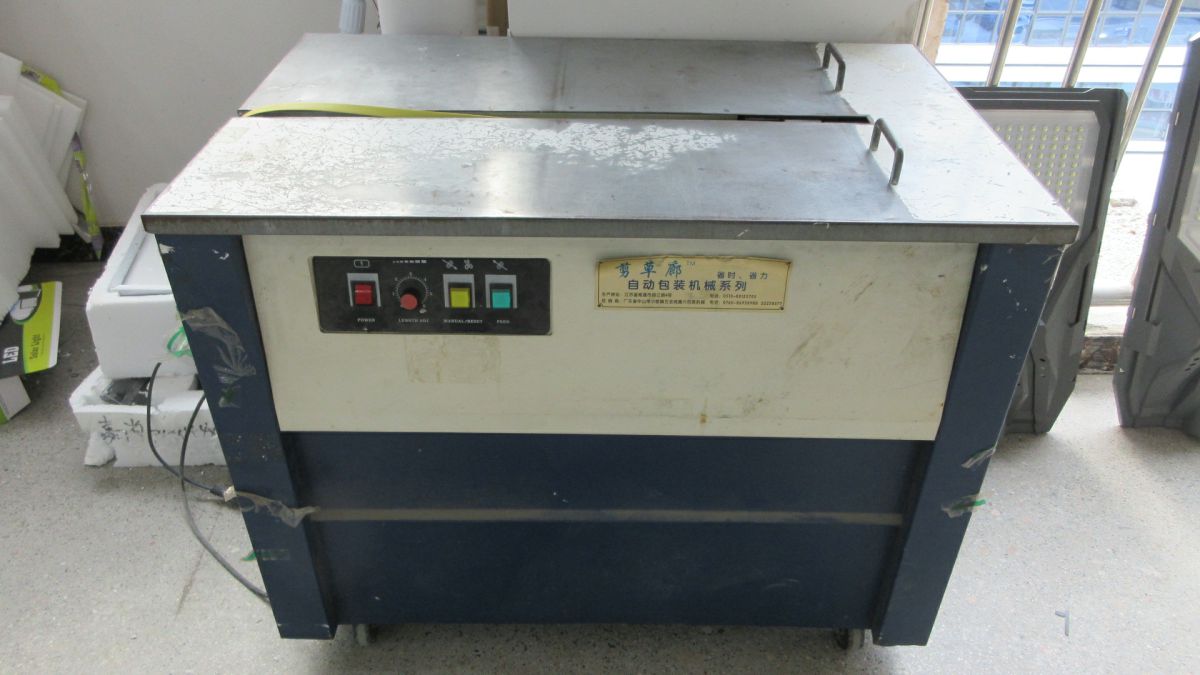
The future of solar motion lighting goes beyond simple PIR sensors. We are designing the next generation of smart municipal infrastructure systems:
1. Intelligent IoT Mesh Integration: Integration of LoRaWAN, Zigbee, and cellular 5G network modules within the luminaire shell. This allows municipal operators to track system status, monitor battery discharge cycles, and dim parameters dynamically from central web consoles.
2. AI-Driven Smart Power Management: Our engineering team is currently testing firmware that utilizes predictive algorithms. These systems dynamically adjust illumination metrics based on historical charging efficiency and localized meteorological data, ensuring uninterrupted operation during extended periods of overcast weather.
3. Next-Generation Photovoltaics: Migrating premium product categories toward heterojunction (HJT) and bifacial solar designs. This maximizes charging capacity in environments characterized by low sunlight and high snow reflection.
A primary challenge of solar deployment is performance variability across disparate environmental zones. Habel Lighting designs products with specific localized adaptations:
Features automated thermal regulation systems integrated into the LiFePO4 battery pack, allowing safe charging and operation down to -25°C.
Coated with marine-grade C5-M anti-corrosive finishes and protected with IP68 silicone gaskets to withstand high humidity and saline atmospheres.
Engineered with sloped, non-stick, dust-repellent covers that prevent dust accumulation, keeping solar panels at peak efficiency.
Guangdong, China represents the epicenter of global solid-state lighting and PV component production. Operating from Guangdong allows Habel Lighting to leverage vertical integration benefits:
By sourcing high-purity polysilicon, high-speed controllers, and robust aluminum raw materials within a 50-mile radius, we minimize intermediate transport delays and mitigate raw component volatility. This geographical advantage enables us to maintain shorter lead times and adapt quickly to specialized custom requirements.
Our solar products comply with global standards, ensuring safety, reliability, and smooth customs import clearance:
North America: Intertek ETL certification, DLC listings, and FCC Part 15 compliance.
European Union: CE Marking (LVD/EMC compliance) and RoHS 2.0 hazardous material restrictions.
Global Markets: IECEE CB scheme certification, IP65/IP66/IP67 ingress ratings, and IK08/IK10 impact testing.
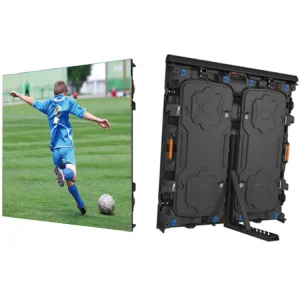
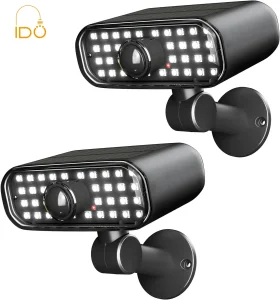
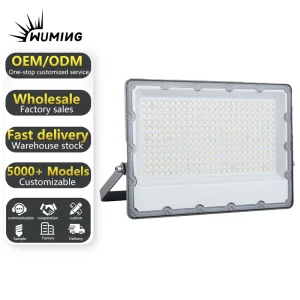
Our wider product portfolio provides reliable, high-output lighting for warehouses, loading bays, sports facilities, and smart wall mount configurations.
 Habel Lighting