Engineered for extreme resilience, maximum energy efficiency, and certified safety compliance across global markets.
Unlocking structural cost savings, compliance reliability, and ESG metrics through strategic factory partnerships.
Modern commercial lighting goes beyond lumens-per-watt. B2B buyers must prioritize system-level efficacy, color rendering indices (CRI), and unified glare ratings (UGR) to optimize workplace productivity and maximize energy savings under global ESG frameworks.
From industrial cold storage systems requiring moisture-proof fixtures to high-hazard mining shafts needing explosion-proof ATEX-rated gear, structural ingress protection (IP65/IP66/IP67) is non-negotiable for mitigating operation risk.
Future-proof installations leverage IoT connectivity, DALI dimming protocols, and radar motion sensors. By choosing suppliers capable of embedding advanced sensors, buyers achieve operational flexibility and reduce wasted power by up to 70%.
How market trends and regional standards dictate procurement decisions for commercial enterprises.
Global architectural standards such as ASHRAE 90.1, Title 24, and Europe's ErP directives require commercial facilities to continuously lower lighting power density (LPD). B2B procurement officers are shifting away from generic imports toward suppliers that offer fully certified, high-efficacy options complete with LM-79, LM-80, and TM-21 testing reports.
High-stakes lighting retrofits demand customization—ranging from tailored optics to specialized driver assemblies (such as Mean Well or Inventronics). Tier-1 commercial contractors prefer factories that own their SMT production lines, assembly lines, and testing equipment to eliminate middleman margins and secure direct technical accountability.
Ensure reliability, certification compliance, and quality control by evaluating these 10 critical parameters.
Confirm the chip efficiency matches system efficacy. High-tier suppliers use top-brand chips (like Lumileds, Cree, or Osram) delivering at least 150-180 lm/W to maximize luminaire performance.
Check the die-cast aluminum housing weight and structure. Effective thermal dissipation limits LED junction temperature, preserving color consistency and extending lifetime.
Ensure verified IP ratings (IP65, IP66, IP67) and IK impact ratings (IK08, IK10) for industrial installations, especially in demanding environments like sports facilities or marine ports.
Confirm verified safety markings including CE, RoHS, CB, UL, DLC, and ATEX/IECEx. These certifications are essential for local regulatory approvals and building inspections.
Assess driver brand options and failure rates. Industry-standard drivers like Mean Well, Sosen, or Philips offer built-in surge protection (up to 10kV) for reliable performance.
Evaluate the factory's engineering capacity for custom beam angles, specific CCT/CRI requirements, and integration of emergency backup batteries.
Confirm access to IES files and integrating sphere test reports. These files are essential for running Dialux simulations to verify lux levels prior to installation.
Ensure transparent raw material supply chains. Traceable tracking of copper, aluminum alloys, and optical PC lenses prevents quality inconsistencies across production runs.
Look for genuine 5-year to 10-year warranties supported by clear, written terms. Reliable manufacturers cover replacement costs, drivers, and LED decay issues.
Select partners offering committed Service Level Agreements (SLAs), including 24-hour response times, technical troubleshooting, and structured returns processing.
Custom engineering solutions designed to meet the performance and regulatory demands of specialized sectors.
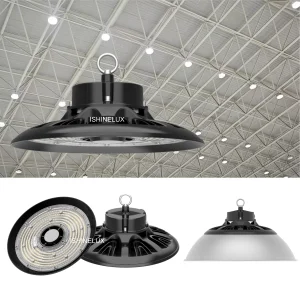
High-ceiling warehouse environments require specialized distribution optics to eliminate shadows and illuminate narrow aisles. Utilizing high-efficiency UFO LED High Bays and Linear High Bays (150W to 400W) with narrow beam lenses (60°/90°) maximizes vertical lux levels on storage racks, improves picker accuracy, and minimizes energy consumption.
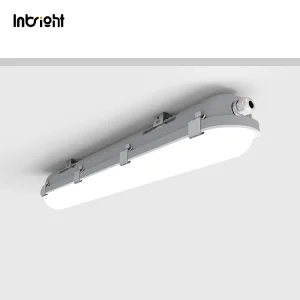
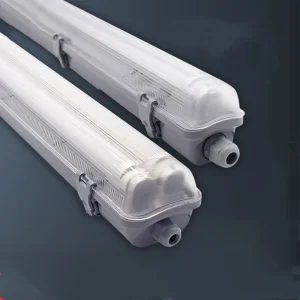
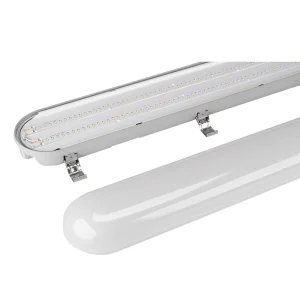
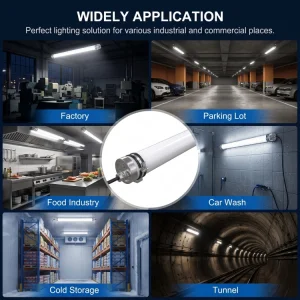
Standard LED lights often struggle in extreme sub-zero temperatures, which can cause driver components to fail and seal materials to degrade. Specialized Tri-Proof (vaportight) and moisture-proof linear lights are engineered with heavy-duty silicone gaskets and breathable pressure release valves to maintain an airtight seal.
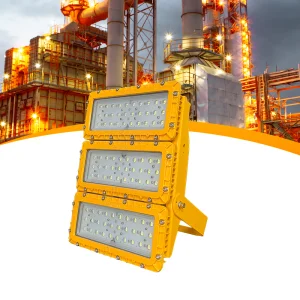
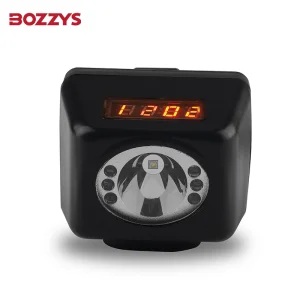
Refineries, mining tunnels, grain silos, and chemical processing facilities operate under strict hazard class regulations. Explosion-proof floodlights and safety helmet lamps (certified under ATEX, IECEx, or Class I Div 2) prevent internal sparks or thermal build-ups from igniting volatile atmospheric gases or airborne dust particles.
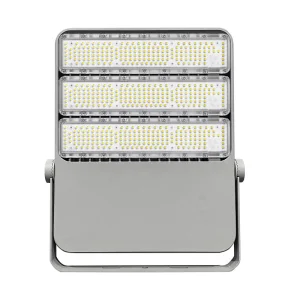
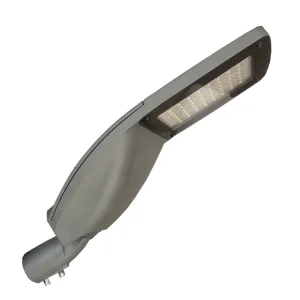
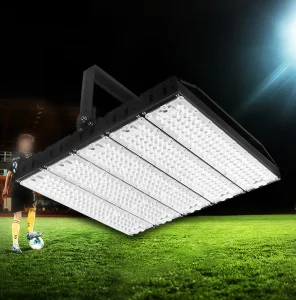
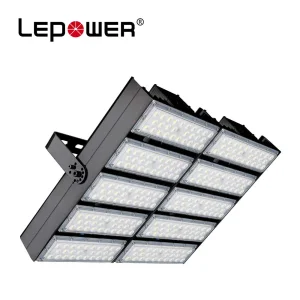
Stadium layouts, deep parking zones, and commercial ports require high-wattage lighting with precise beam patterns. High-mast LED floodlights (100W up to 2000W) feature advanced asymmetric optical lenses that deliver high center-beam candela power while minimizing light spill and glare for spectators and players.
A professional manufacturer delivering certified indoor and outdoor commercial LED solutions worldwide since 2010.
Established in 2010, Guangdong Habel Lighting Co., Ltd. is a dedicated manufacturer and exporter specializing in the design, engineering, and manufacturing of indoor and outdoor LED lighting solutions. Over more than a decade, we have established a strong reputation in the global lighting market through continuous technical innovation, strict quality control, and customer-focused service.
Our experienced R&D team continuously introduces new product designs each year, incorporating the latest developments in LED thermal management, driver electronics, and optical efficiency. This allows us to supply energy-efficient, long-lasting, and certified commercial-grade lighting systems for a wide range of global applications.
Commitment to quality and innovation has made Habel Lighting a trusted partner in the international marketplace. We provide comprehensive OEM and ODM services, helping clients meet energy regulations, lower operational costs, and achieve sustainability goals through reliable manufacturing partnerships.
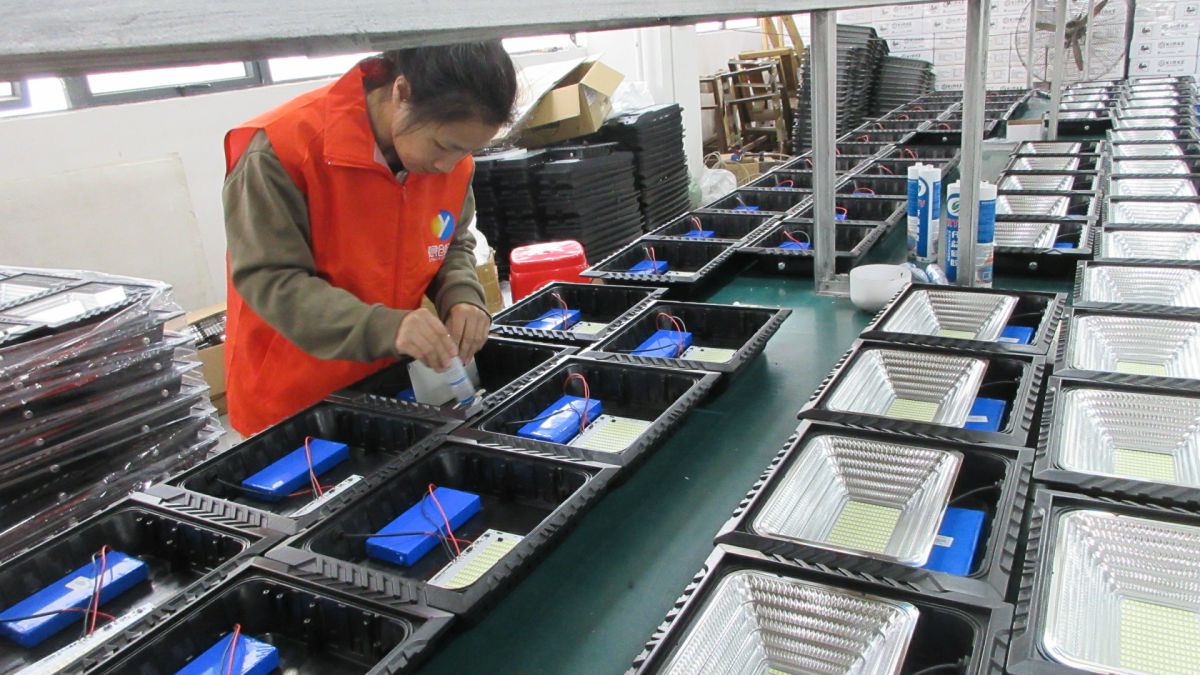 Glue Application
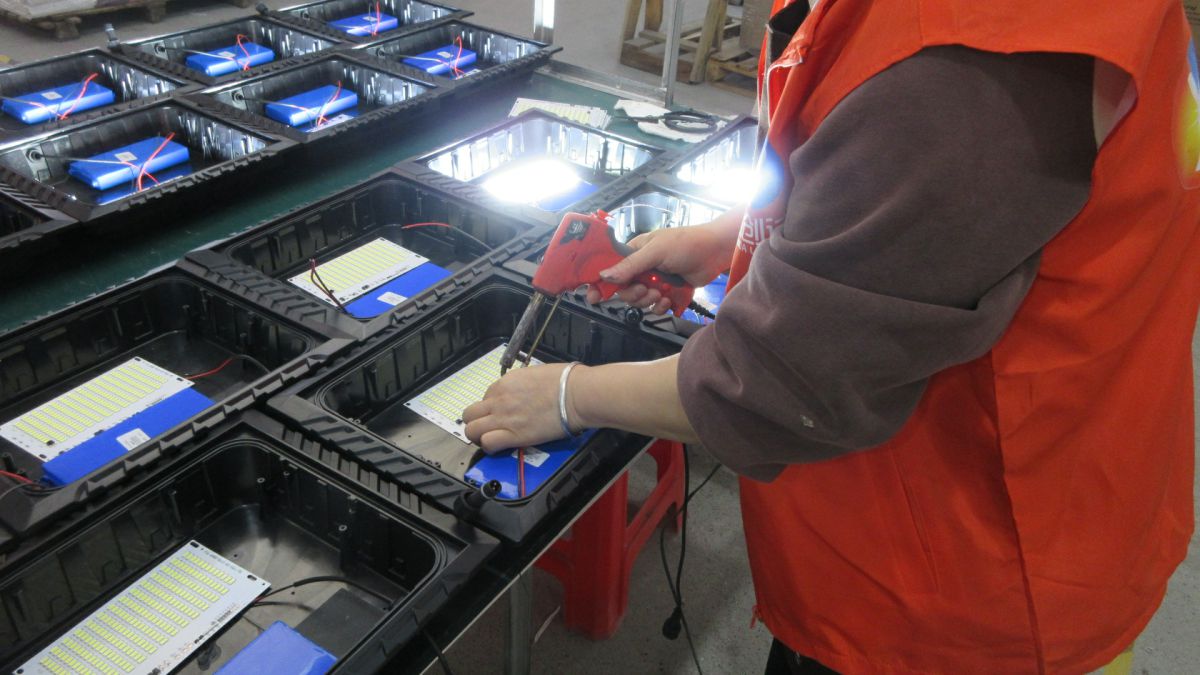 Welding Station
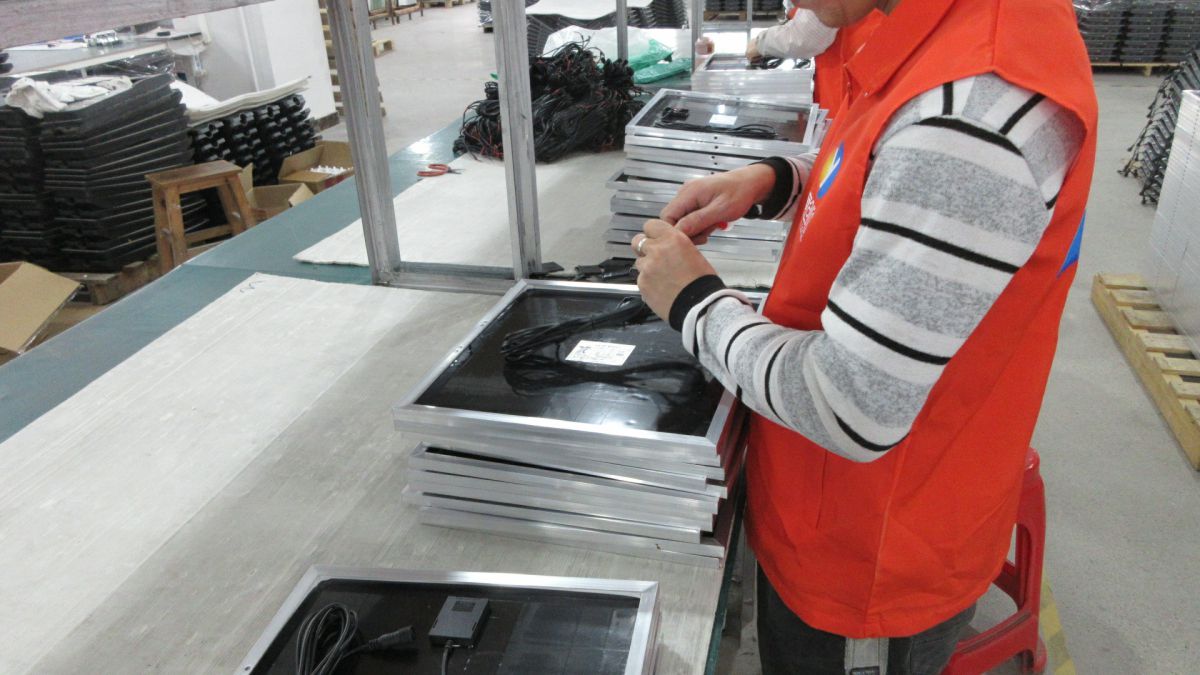 Component Assembly
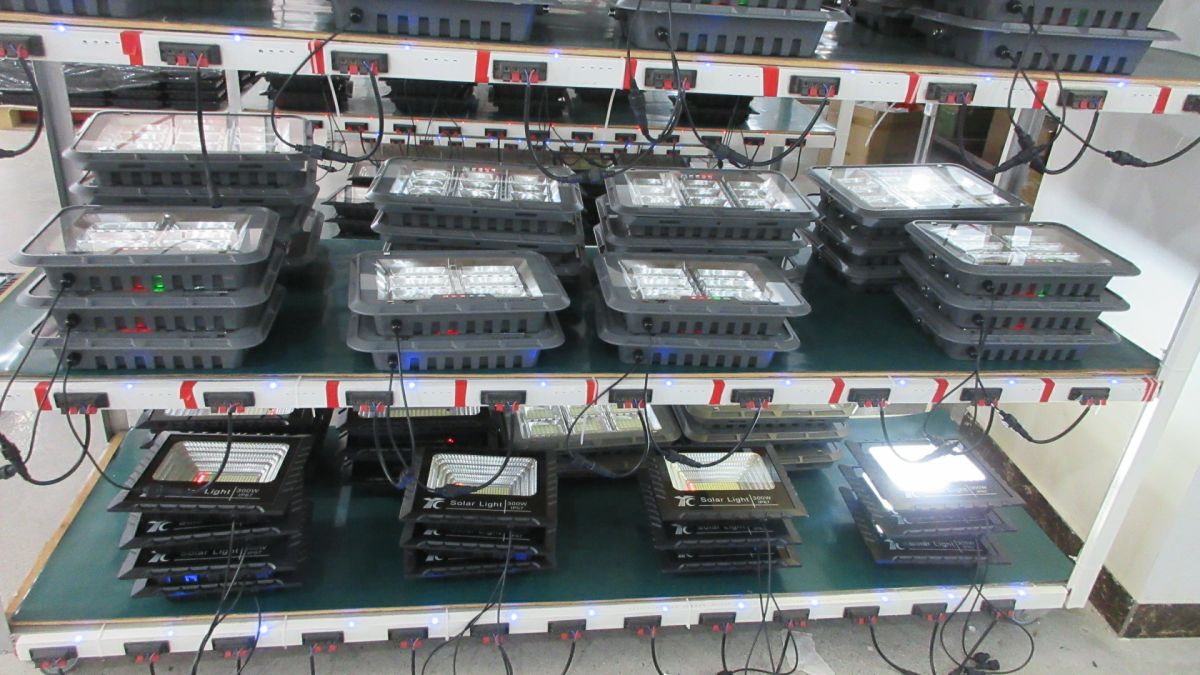 QC Inspection & Testing
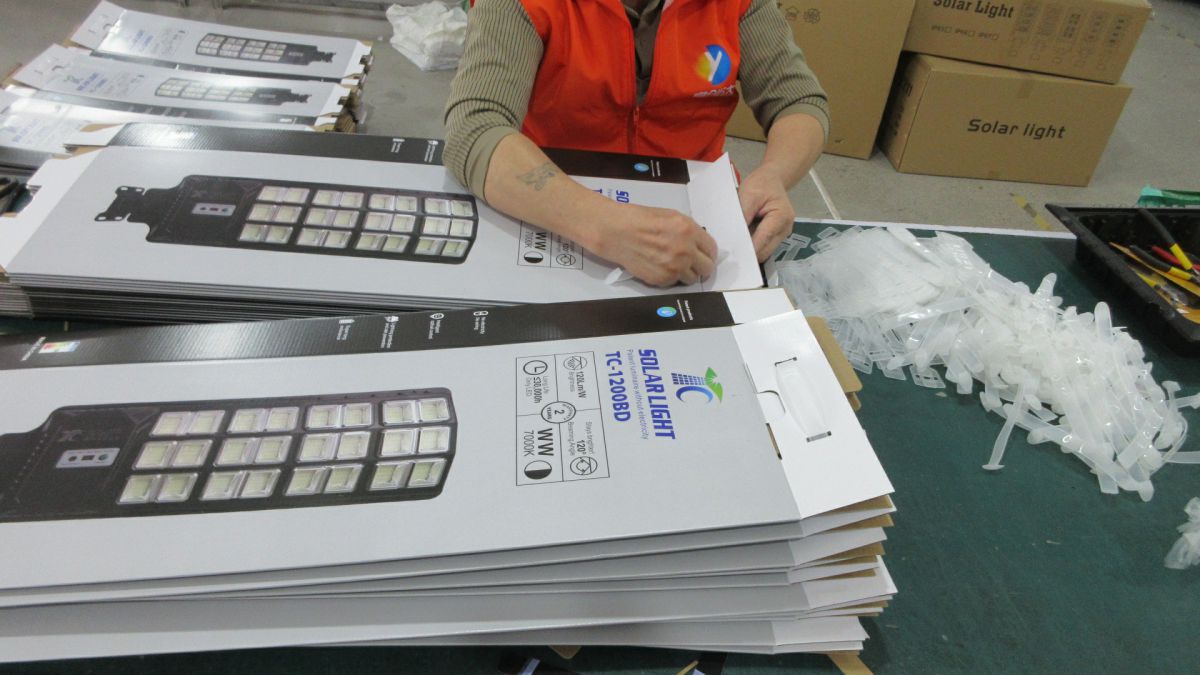 Product Packaging
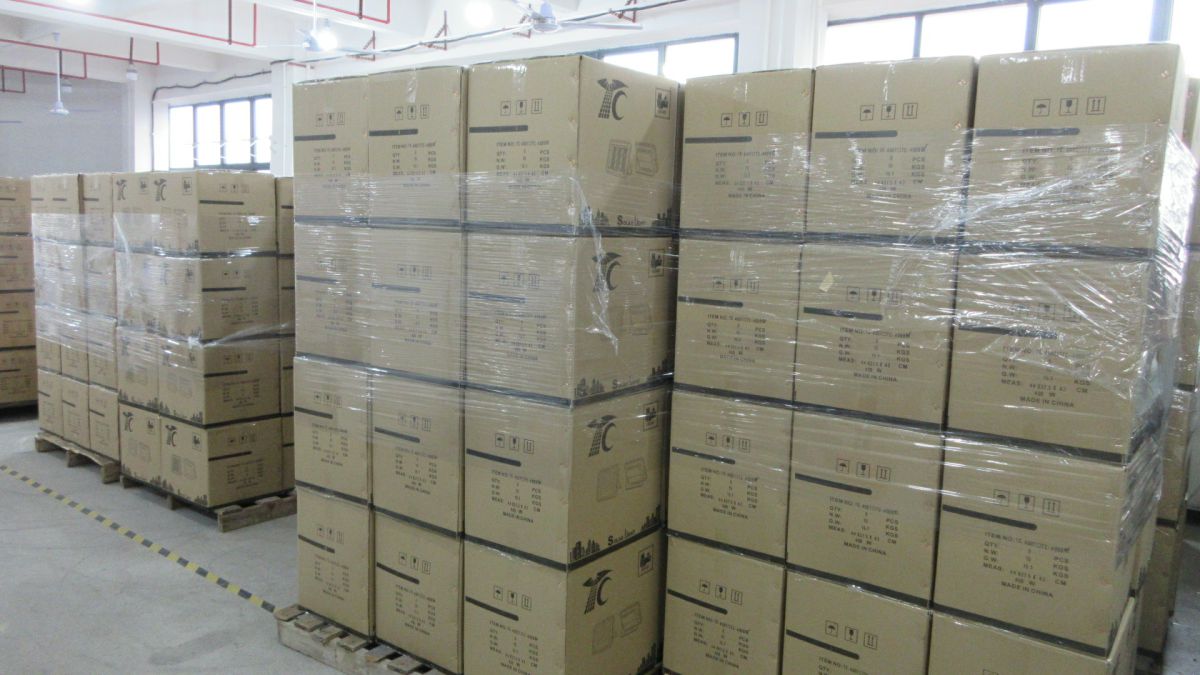 Finished Goods Warehouse
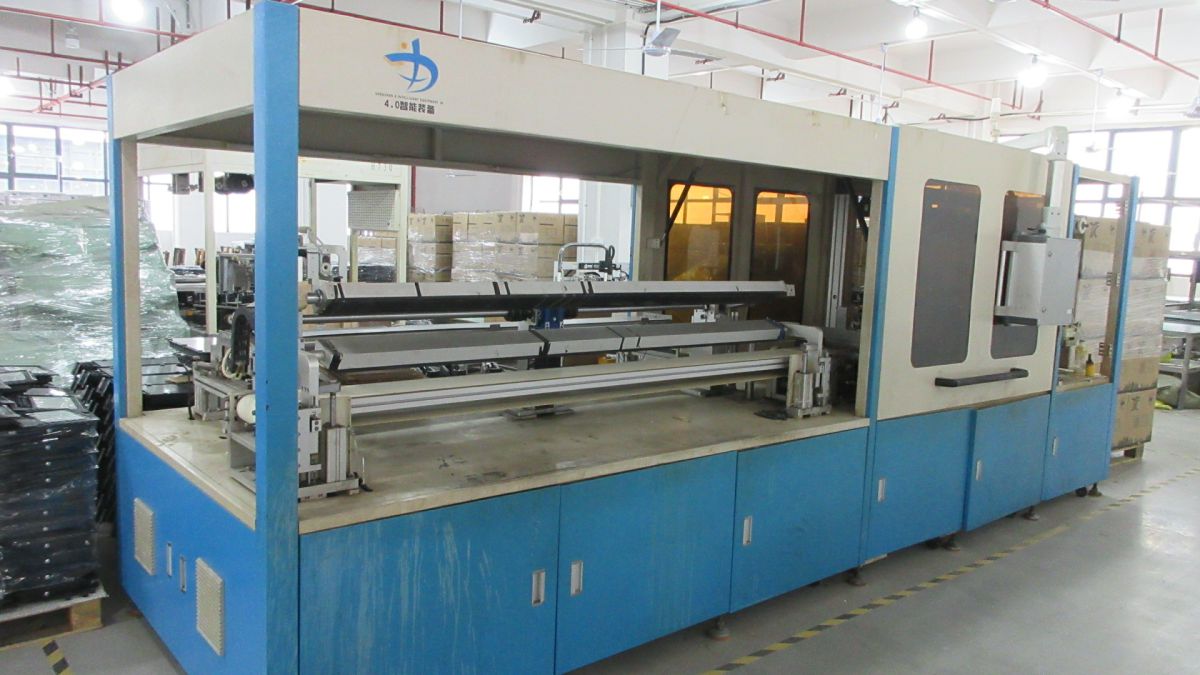 Solar Welding Machine 1
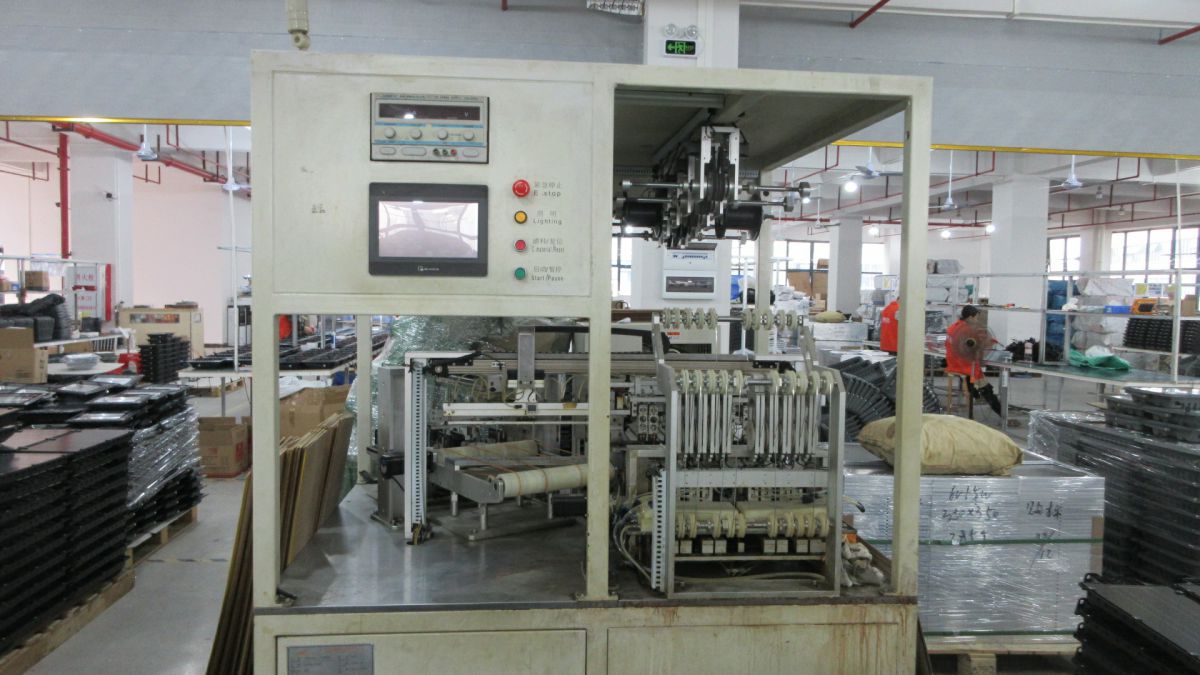 Solar Welding Machine 2
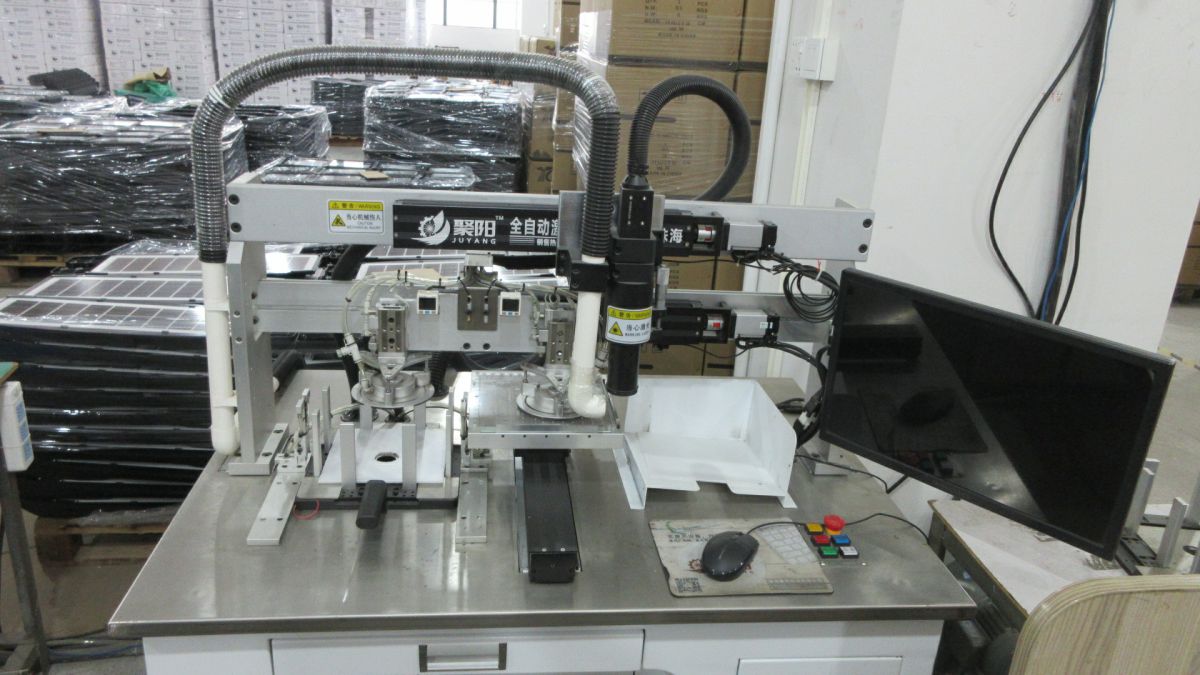 Solar Cutting Machine
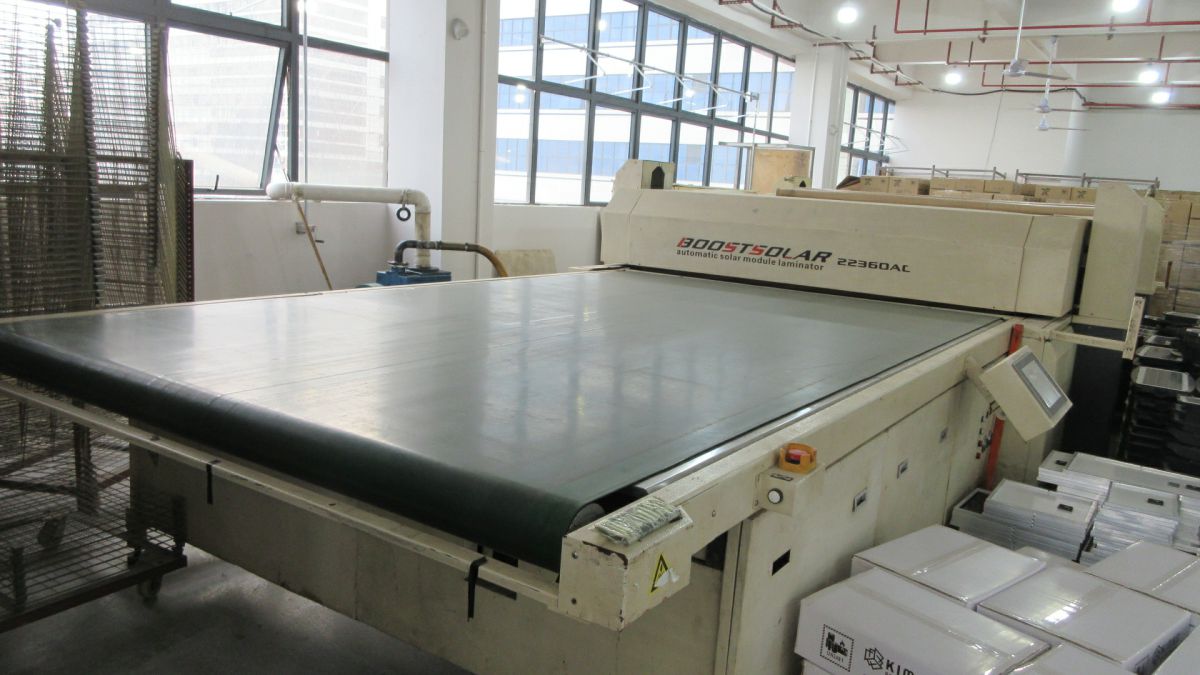 Solar Pressing Machine
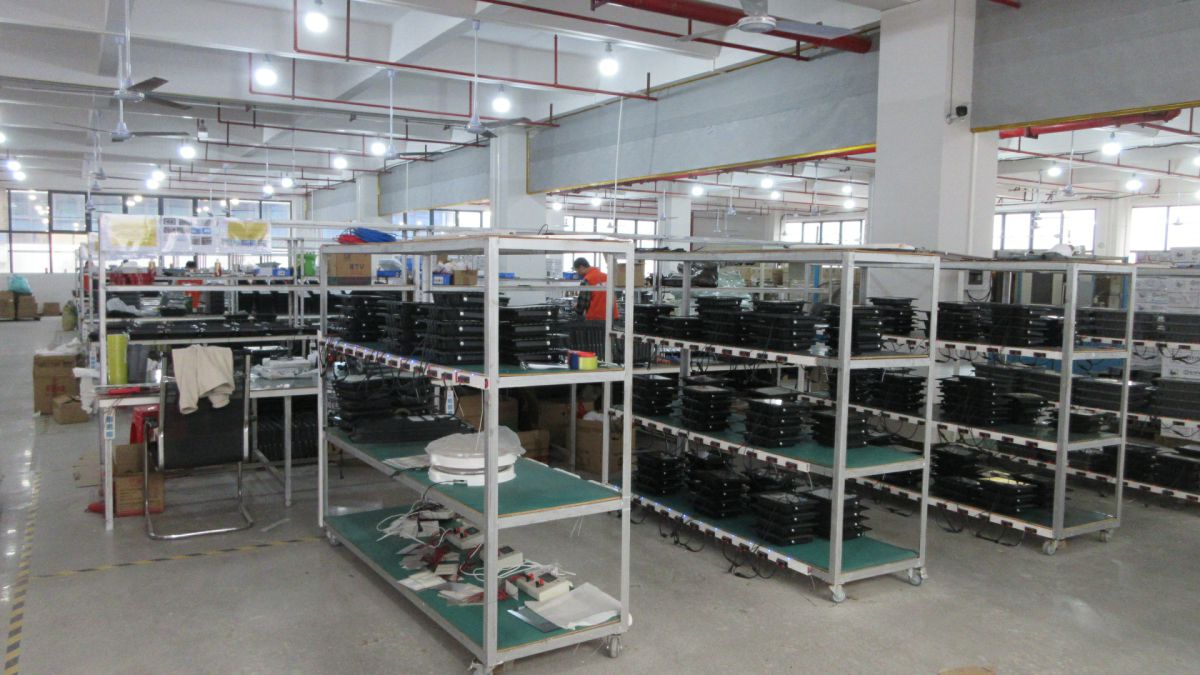 Life Testing Racks
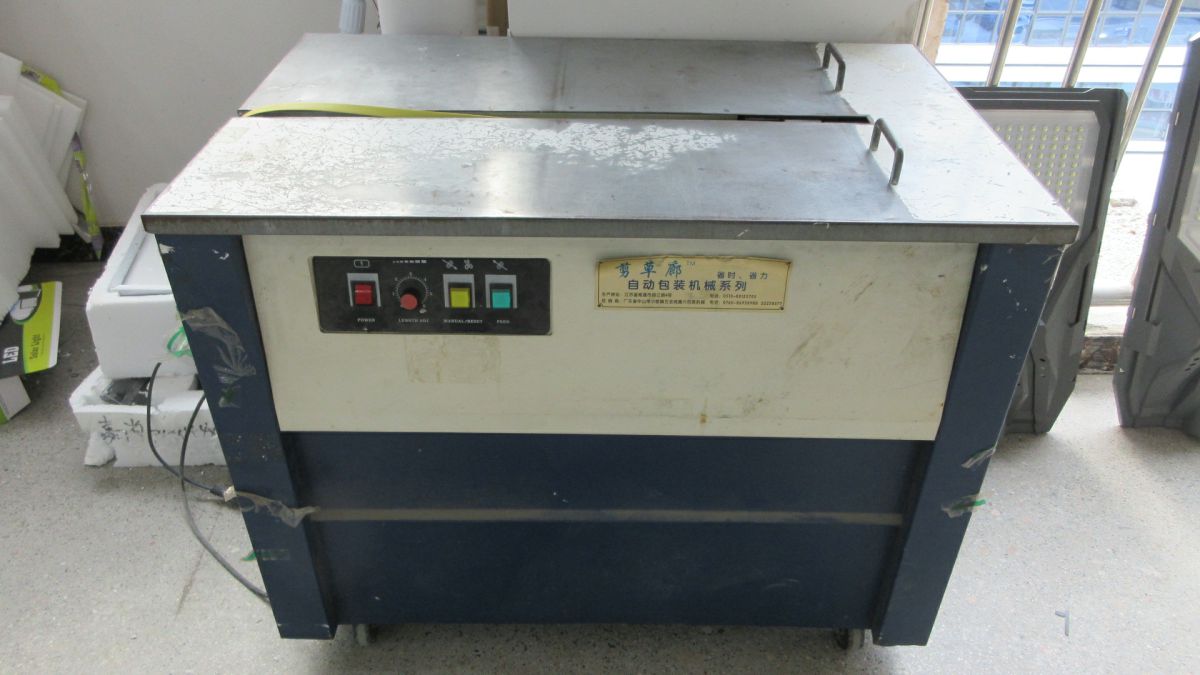 Automated Packaging
The technological advances shaping energy-efficient, intelligent, and sustainable commercial lighting.
Next-generation commercial luminaires are moving beyond static CCT. Dynamic tunable-white systems adjust Kelvin temperatures (from 2700K warm to 6500K cool light) to align with human circadian rhythms in office environments or to match seasonal display requirements in commercial retail zones.
Modern commercial lighting systems integrate smart wireless sensors directly into driver assemblies. Operating over BLE mesh, Zigbee, or Wi-Fi, these connected setups support occupancy monitoring, daylight harvesting, and real-time power analytics, saving up to 70% in energy compared to traditional systems.
To reduce e-waste and support green building certifications, manufacturers are transitioning to modular structural designs. These designs allow drivers, LED engines, and optics to be easily accessed, replaced, or recycled at the end of their lifecycle, extending fixture durability and lowering long-term operating costs.
Navigating import tariffs, safety testing, and structural compliance in key international markets.
Placing LED luminaires on the market requires meeting strict local regulations. Our compliance process includes testing for the European market (CE, RoHS, CB, and ErP requirements) and North American certifications (UL, cUL, and DLC listing, which help secure local utility energy rebates).
For high-risk environments such as mines or chemical facilities, ATEX and IECEx compliance is essential. Testing confirms that internal arcs or surface heat will not ignite volatile atmospheric gases or dust particles.
To keep project timelines on track, we coordinate with leading global logistics providers to manage customs processes, duties, and transport logistics. Our team handles complete export documentation, container loading, and palletization to minimize shipping delays and deliver products safely to your job site or warehouse.
Clear, technical answers to common questions about sourcing commercial LED lighting.
Commercial-grade LEDs are engineered to withstand continuous daily runtimes (typically 12 to 24 hours) in demanding conditions. They feature heavy-duty die-cast aluminum heat sinks, advanced drivers with surge protection up to 10kV, and durable optical lenses. These components ensure lower lumen decay over time and are backed by comprehensive 5-to-10-year commercial warranties, compared to the simpler plastic housings and shorter warranties of residential fixtures.
IP65 (Ingress Protection) and Tri-Proof ratings verify that a light fixture is protected against dust accumulation and water splashes. In cold storage facilities, rapid temperature shifts create condensation. Tri-Proof lights feature silicone seals and vapor-tight structures to prevent moisture ingress, avoiding electrical shorts and premature driver failure.
ATEX-certified lights are designed to isolate potential ignition sources. The rugged housing is constructed to contain any internal electrical spark or thermal arc, preventing it from escaping and igniting flammable gases, dust, or vapors present in the surrounding atmosphere. This protection is critical for chemical plants, refineries, paint booths, and mining shafts.
The LED driver is the heart of a luminaire, converting AC power to DC. Premium drivers like Mean Well or Sosen feature high power factor correction (PF > 0.95), low total harmonic distortion (THD < 15%), and built-in protection against voltage spikes. Since driver failure is the primary cause of LED system breakdown, choosing premium drivers significantly reduces long-term maintenance costs and ensures stable light output.
Yes. Sports stadium and high-mast installations require specific light distribution to cover playing fields uniformly while avoiding glare. We offer tailored beam angles (such as 15°, 30°, 60°, or asymmetric patterns) and color temperatures (from 3000K to 6500K, with high CRI options up to 90) to meet broadcast standards and local sports lighting regulations.
Engineered for long-lasting performance, certified safety compliance, and efficient energy consumption across global projects.
 Habel Lighting