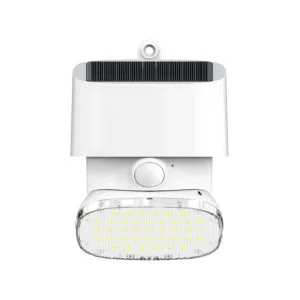
High-efficacy luminaires for commercial, municipal, and industrial landscape systems
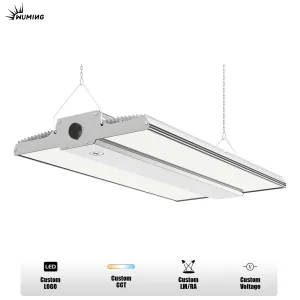
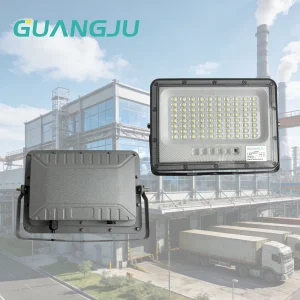
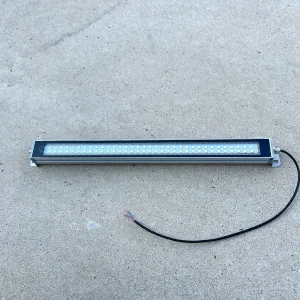
The global outdoor illumination sector is undergoing a rapid paradigm shift. Industrial, municipal, and commercial developers are abandoning conventional grid-tied luminaires in favor of autonomous photovoltaic architectures. Fueled by stringent carbon-emission legislation (such as the European Green Deal and the US Inflation Reduction Act) and the soaring costs of grid infrastructure installation, the demand for high-performance solar garden lanterns has shifted from residential decorative novelties to high-reliability, long-lifecycle commercial utility assets.
Civil contractors and municipal authorities face exorbitant costs for trenching, wiring, and landscaping remediation when routing AC power to remote parks, walkways, and commercial facades. Autonomous solar lanterns eliminate these capital expenditures entirely, providing immediate, zero-emission illumination.
B2B buyers, particularly in North America and Western Europe, must comply with strict green building standards such as LEED, BREEAM, and DGNB. Utilizing zero-carbon outdoor solar fixtures directly contributes to obtaining key environmental credits and aligning with corporate ESG directives.
The market now demands reliable, year-round operation even in high-latitude regions experiencing prolonged winter overcast conditions. High-efficiency monocrystalline silicon panels integrated with smart Maximum Power Point Tracking (MPPT) charging circuits represent the modern baseline for industrial applications.
The technical trajectory of professional-grade solar garden lanterns is driven by innovations across four foundational pillars: high-efficiency photovoltaic materials, high-density energy storage, high-efficacy LED chip technology, and intelligent firmware control algorithms.
| Component Group | Legacy Technology Standards | Current Premium Standard (Habel Standards) | Future Development Trend (2025-2030) |
|---|---|---|---|
| Photovoltaic Panels | Polycrystalline Silicon (14-16% Efficiency) | A-Grade Monocrystalline Silicon (21-23% Efficiency) | Perovskite-Silicon Tandem Cells (>28% Efficiency) |
| Energy Storage System | Lead-Acid or Nickel-Metal Hydride (NiMH) | Lithium Iron Phosphate (LiFePO4) - Grade A Cells | Solid-State Lithium & Sodium-ion Low-Temp Chemistry |
| LED Luminaire Engine | Standard SMD2835 (100-120 lm/W output) | High-Efficacy SMD3030 / SMD5054 (160-180 lm/W) | Micro-LED & Laser Phosphor Engines (>220 lm/W) |
| Control & Charge Logic | Pulse Width Modulation (PWM) Basic Drivers | Intelligent MPPT + Dual CCT + PIR Motion Sensor | AI-driven Predictive BMS with IoT Mesh Connectivity |
| Enclosure Design | Thin Abs / Recycled Plastics | Marine-grade Aluminum (ADC12) + Anti-UV Polycarbonate | Carbon-fiber Reinforced Biodegradable Polymers |
Traditional solar lights suffer from rapid dimming during consecutive rainy days. Modern systems leverage Maximum Power Point Tracking (MPPT) algorithms that continuously monitor the solar panel's output voltage and current in real time, adapting dynamic load matching to increase solar collection efficiency by up to 30% compared to standard PWM controllers.
Solar lanterns endure extreme ambient thermal cycling. Our custom die-cast aluminum enclosures and UV-stabilized polycarbonate lenses ensure optimal thermal dissipation for the internal electronics. By preventing internal heat build-up, we protect both the LiFePO4 cells and the high-brightness LED arrays, preventing lumen degradation over a 50,000-hour operational lifespan.
Every project site presents unique climatological and operational challenges. A one-size-fits-all approach is insufficient. High-reliability solar garden lanterns must be customized to perform optimally under distinct local micro-climates.
Coastal environments subject outdoor lighting to constant salt spray and high humidity. Standard metal fixtures corrode rapidly, leading to electrical failure.
Solution Framework: Implementation of IP66-rated enclosures treated with specialized anti-corrosion powder coating, dual-sealed silicone gaskets, and IK10 impact-resistant polycarbonate diffusers.
Regions such as Scandinavia and Northern North America receive limited peak sun hours during winter, coupled with sub-zero temperatures that degrade battery capacity.
Solution Framework: Custom oversized monocrystalline panels combined with LiFePO4 batteries featuring built-in thermal heating elements that maintain battery efficiency during sub-zero charging cycles.
Public spaces require constant, dependable lighting to prevent vandalism and ensure safety, but full-brightness operation all night wastes valuable stored energy.
Solution Framework: Implementation of motion-sensor-activated dimming profiles (e.g., 30% standby brightness, increasing to 100% upon detecting pedestrian activity), conserving energy while maintaining safety standards.
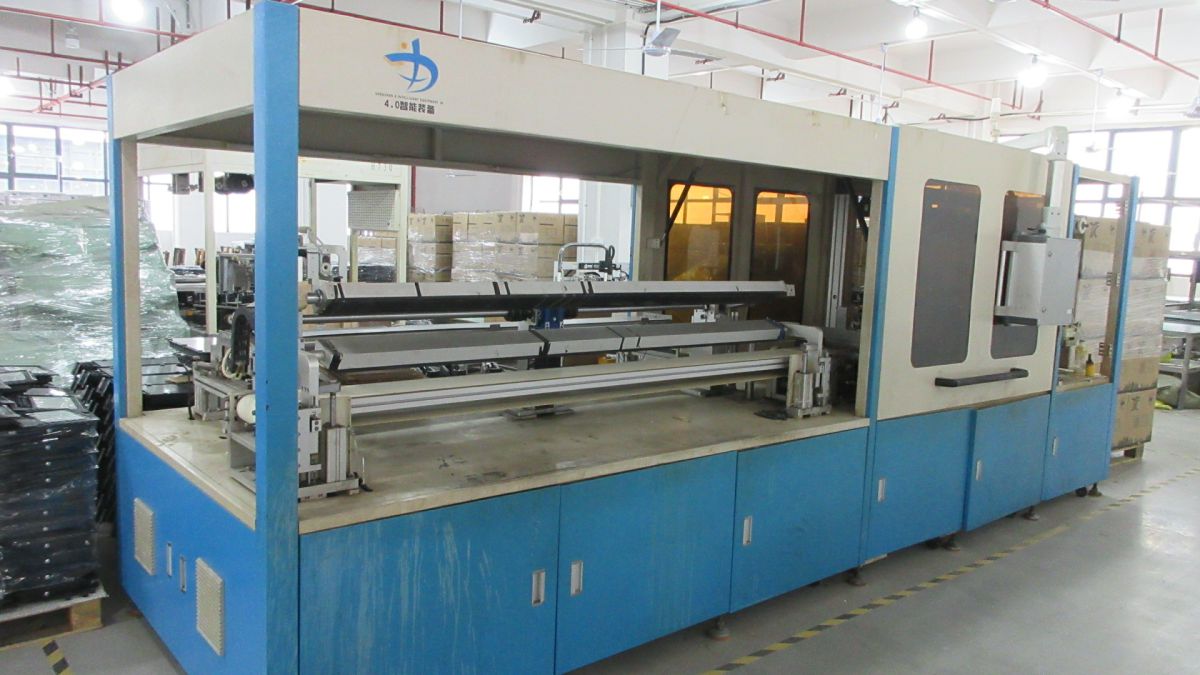
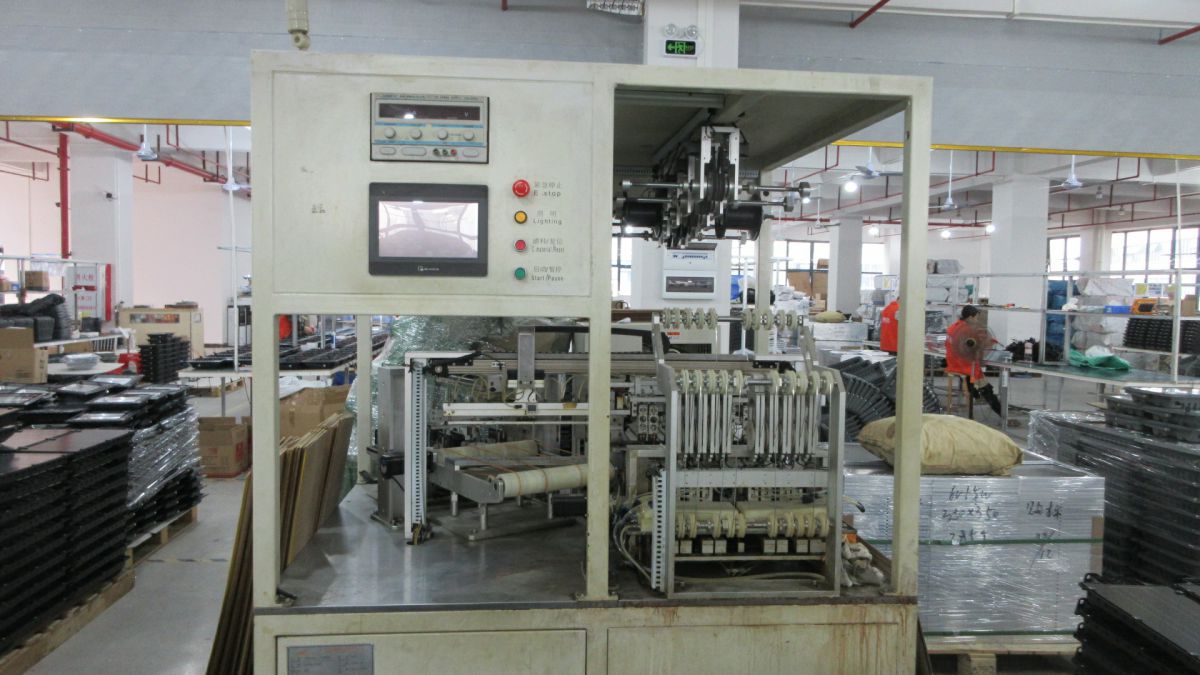
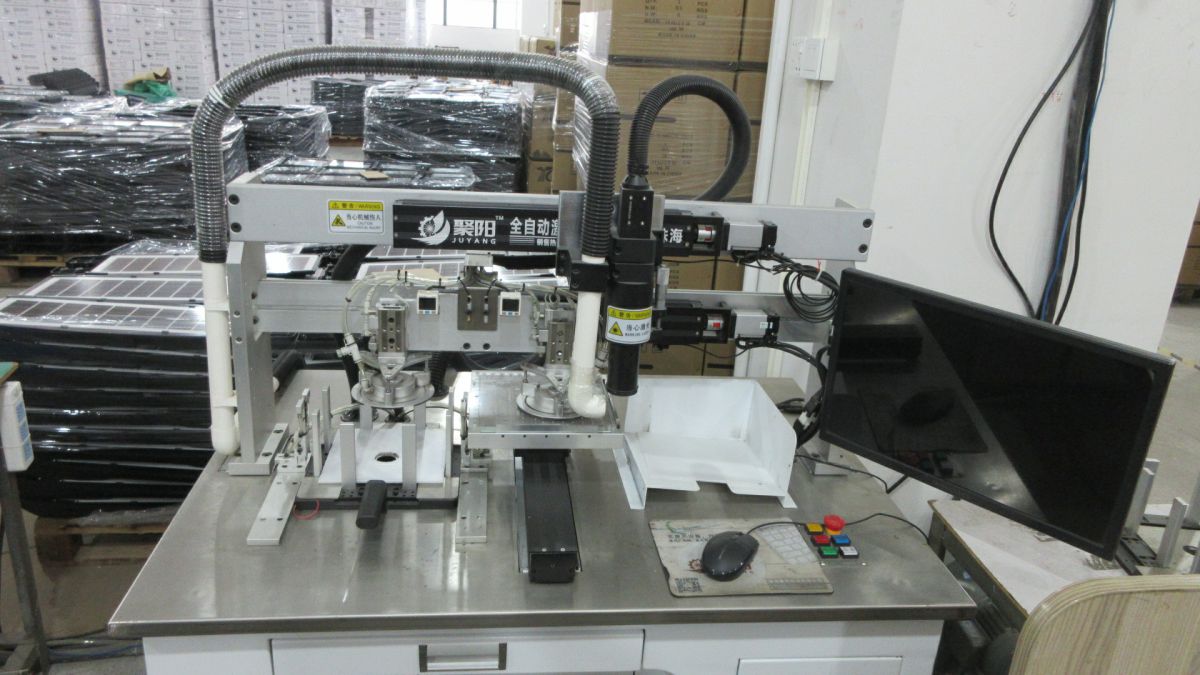
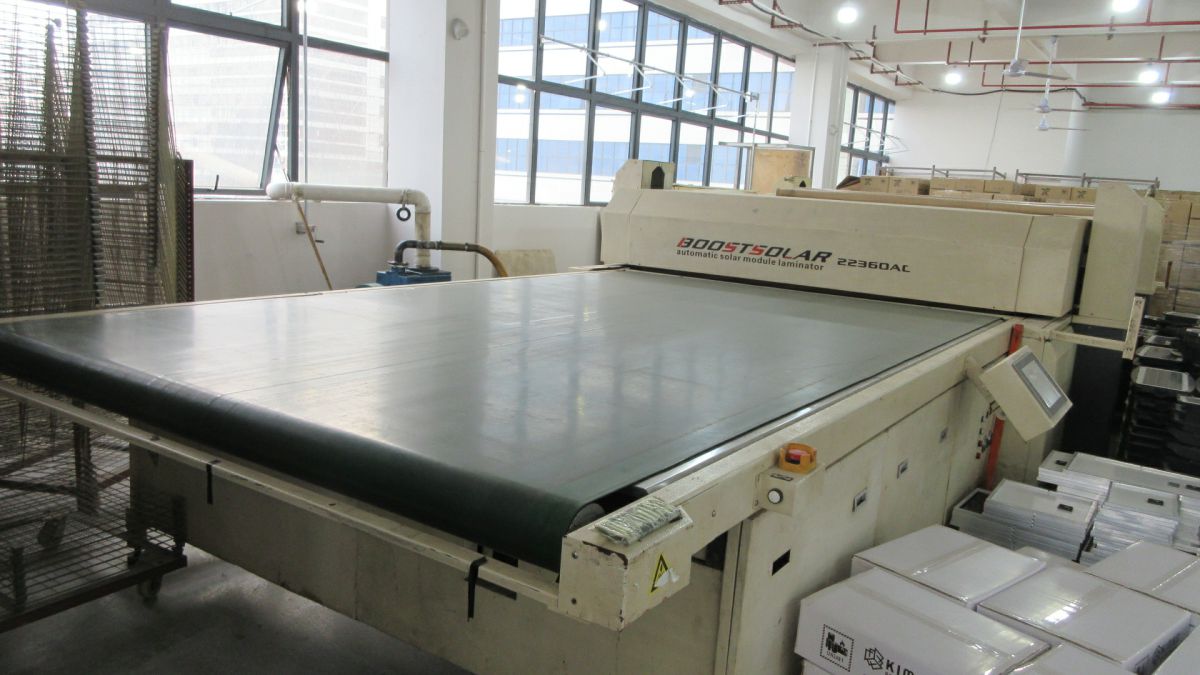
Guangdong Habel Lighting Co., Ltd. operates a vertically integrated production facility designed to execute high-precision manufacturing processes. By executing key steps in-house—from panel welding to high-voltage life testing—we guarantee maximum control over product reliability and component quality.
Every solar garden lantern and commercial outdoor light undergoes a strict manufacturing process to eliminate structural, material, and electrical defects.
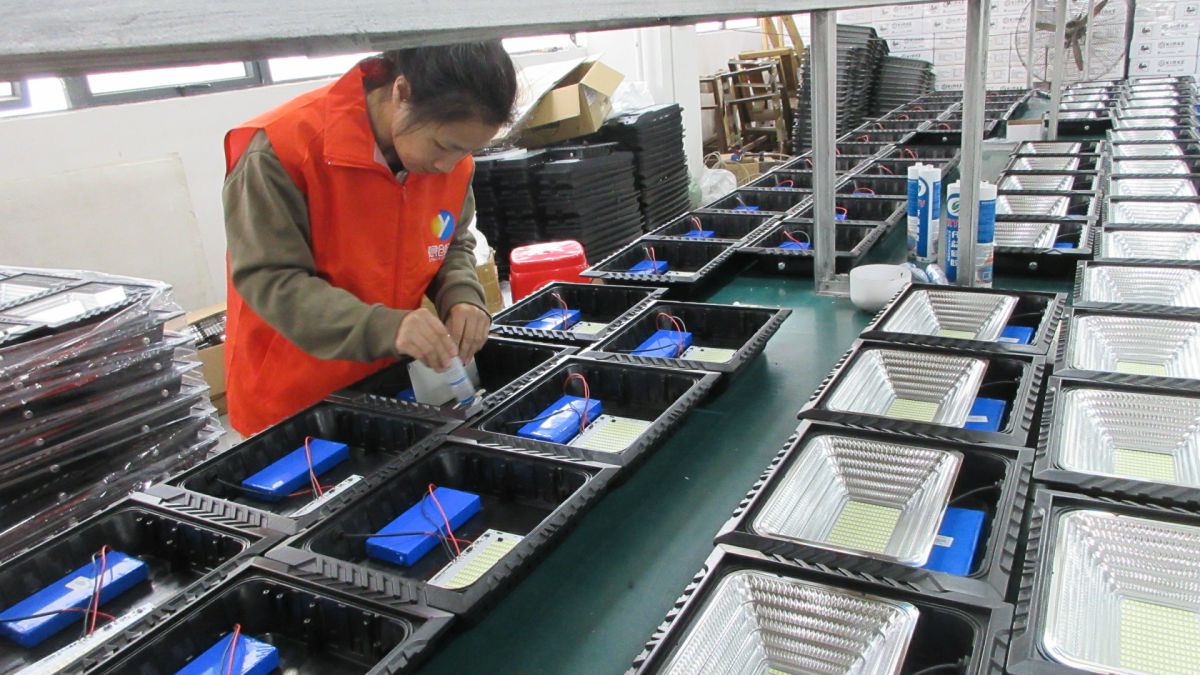
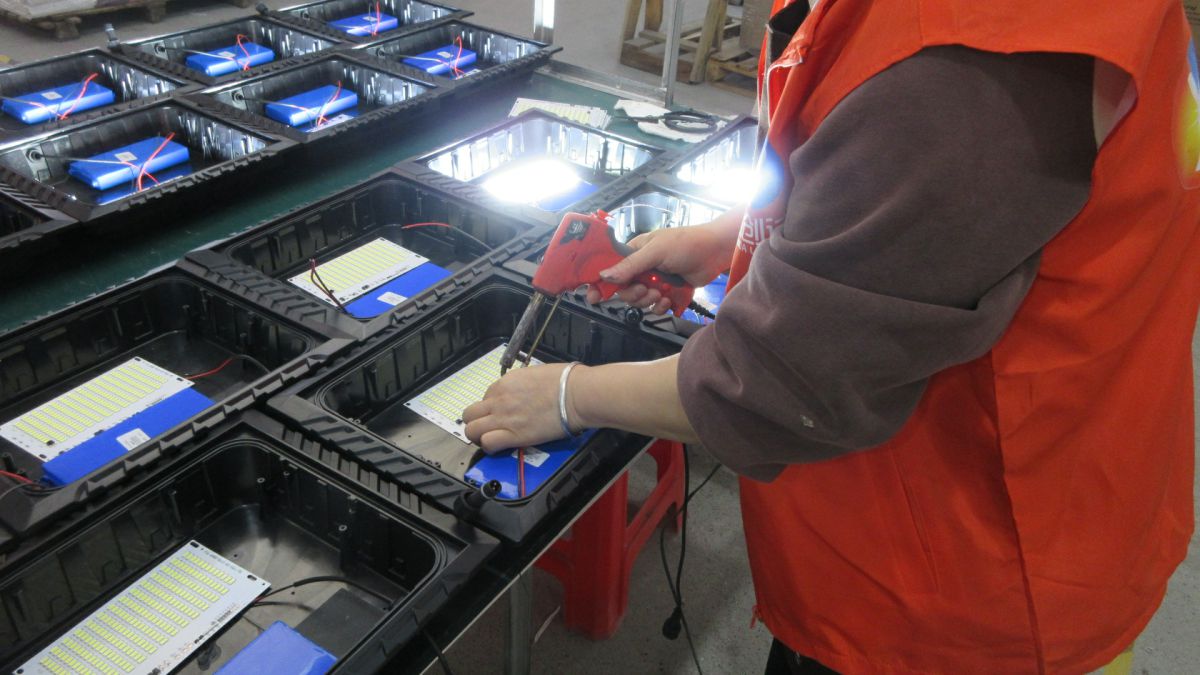
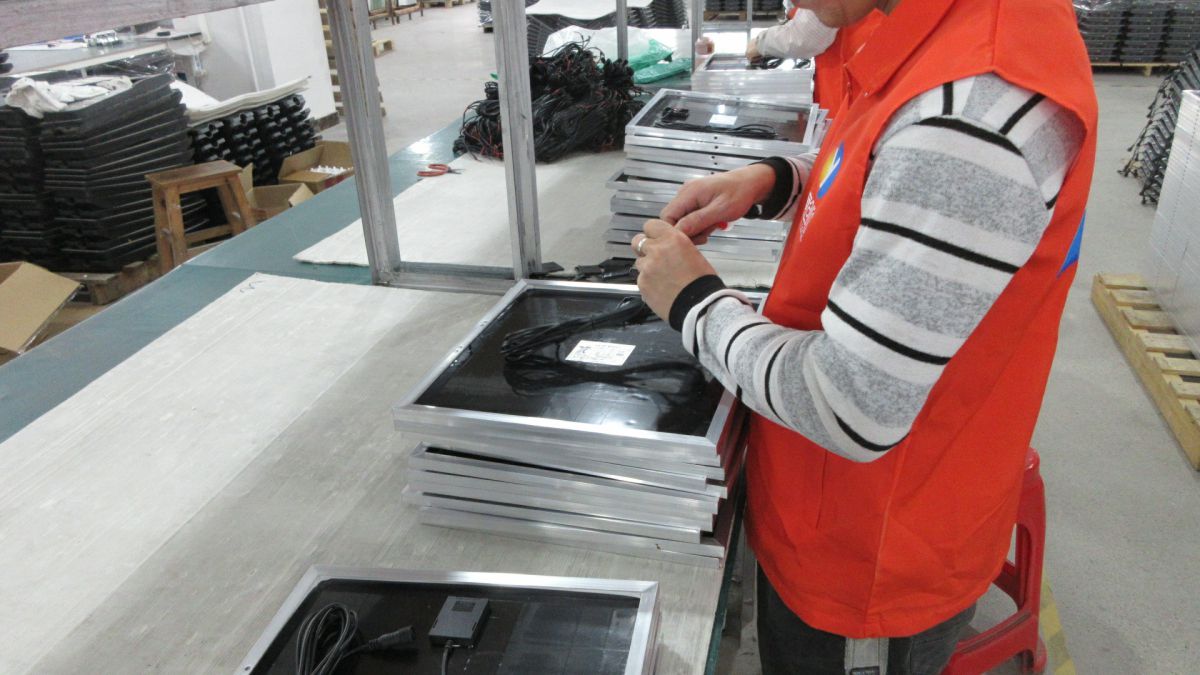
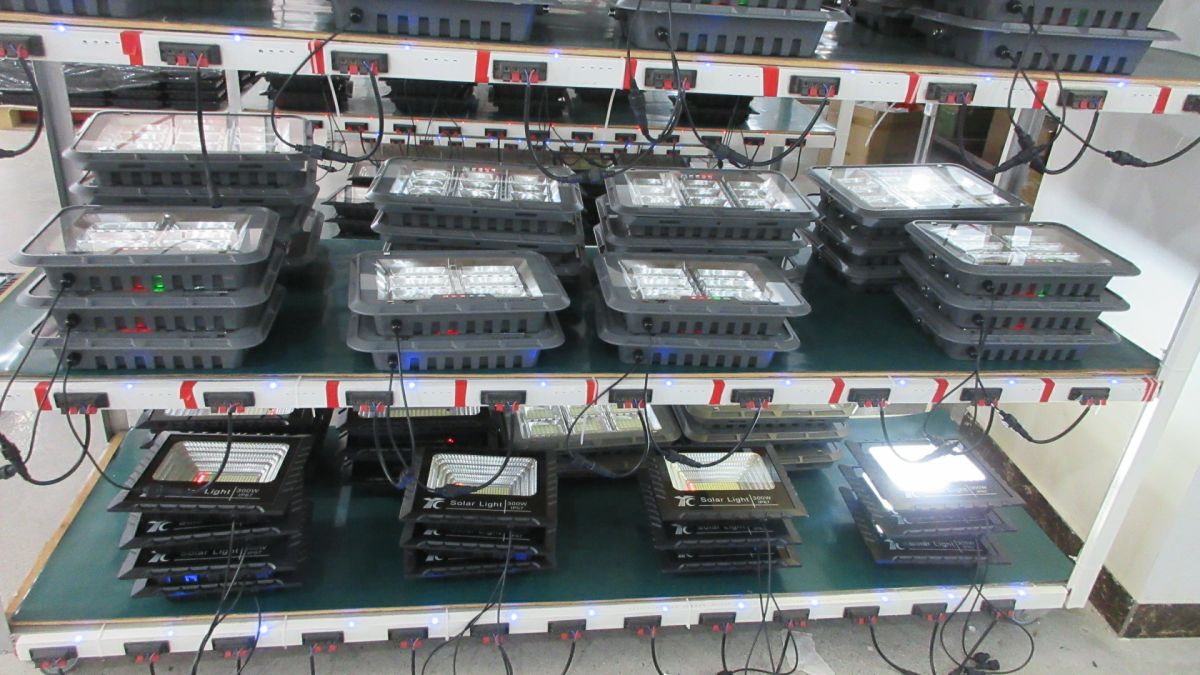
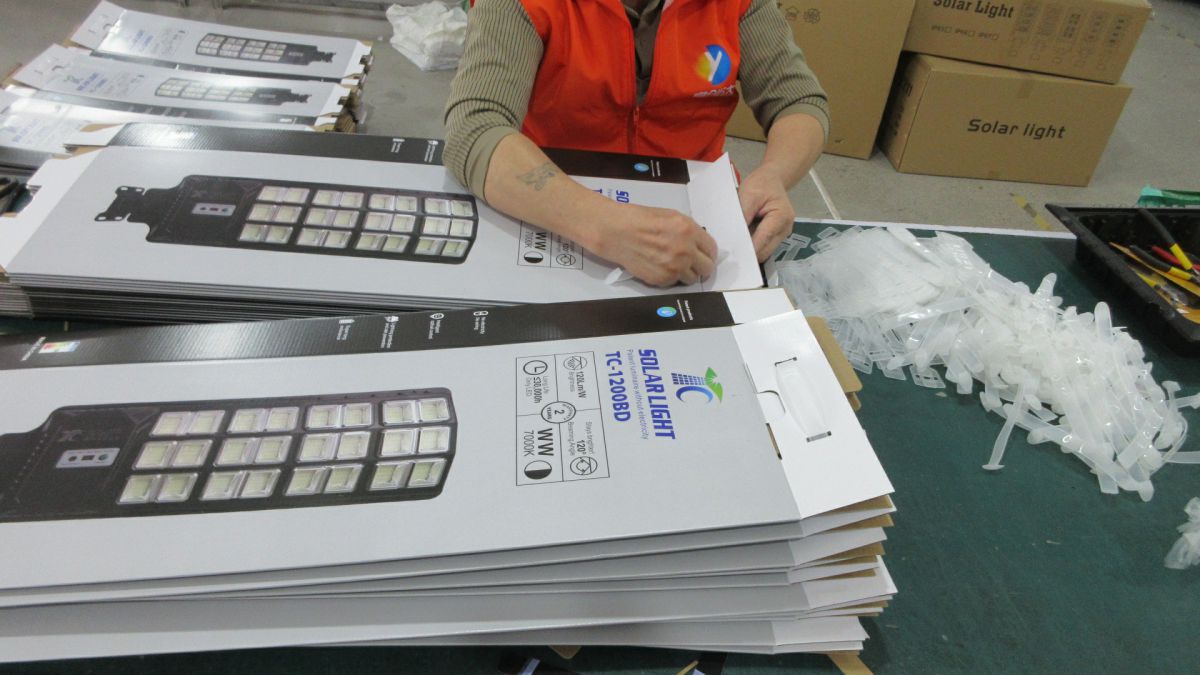
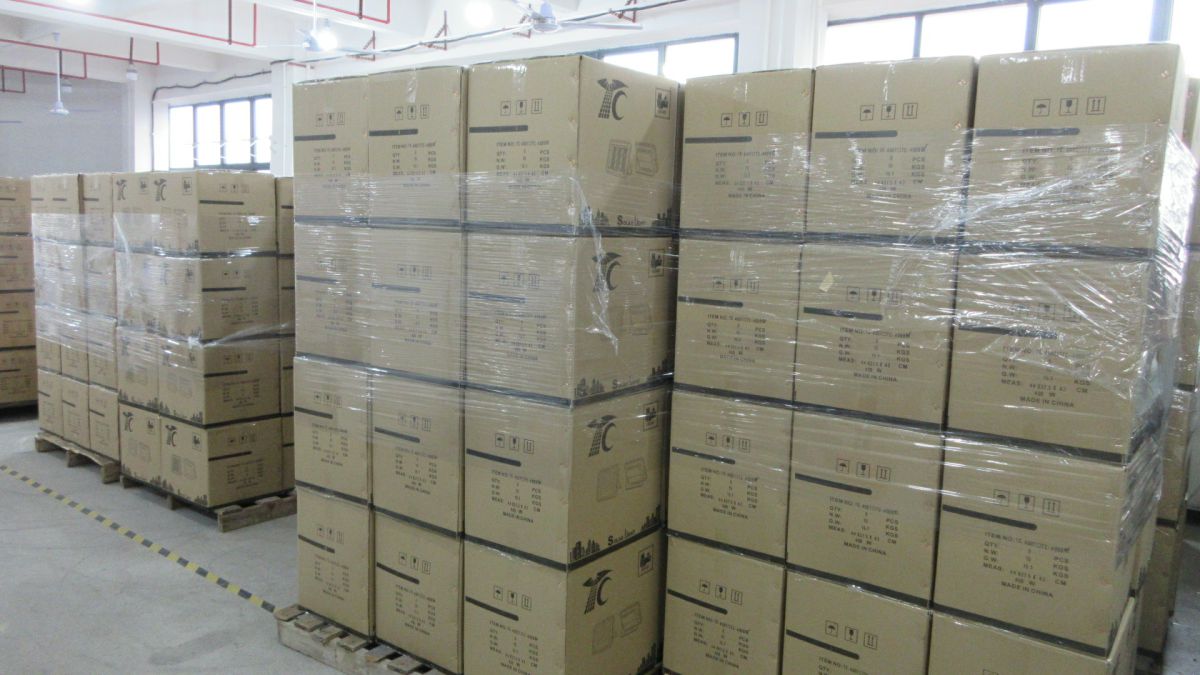
To maintain industry-leading consistency, Habel utilizes advanced semi-automated and automated manufacturing lines dedicated to photovoltaic customization, electrical verification, and lifetime product simulation.
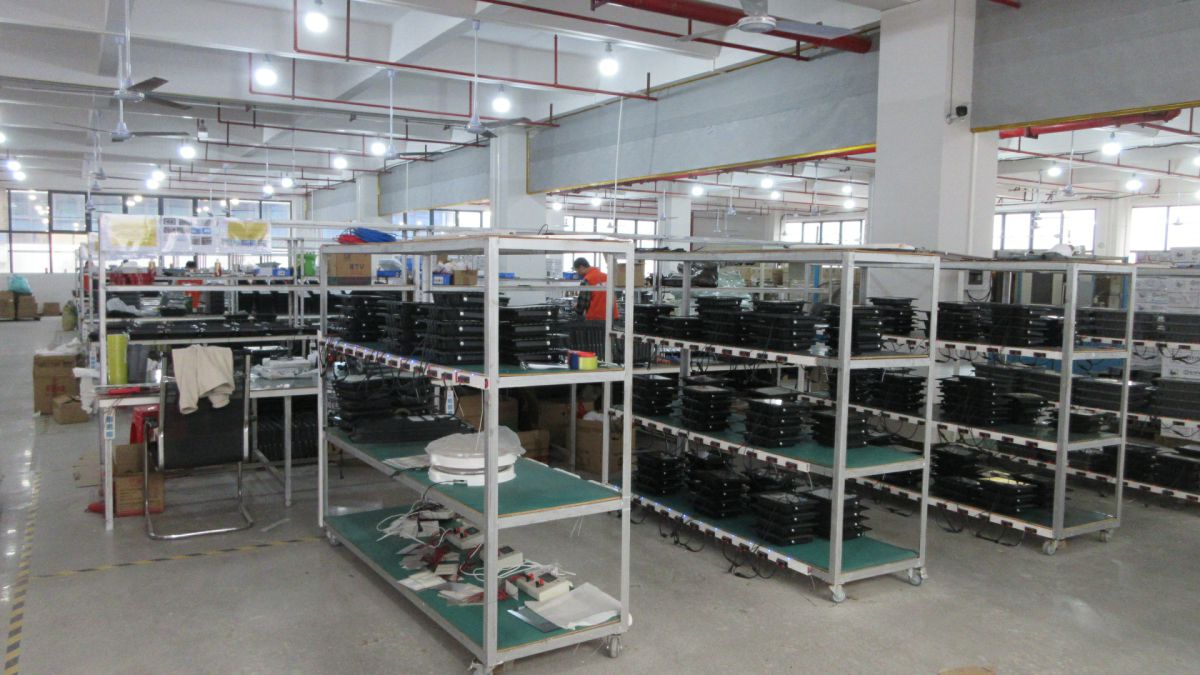
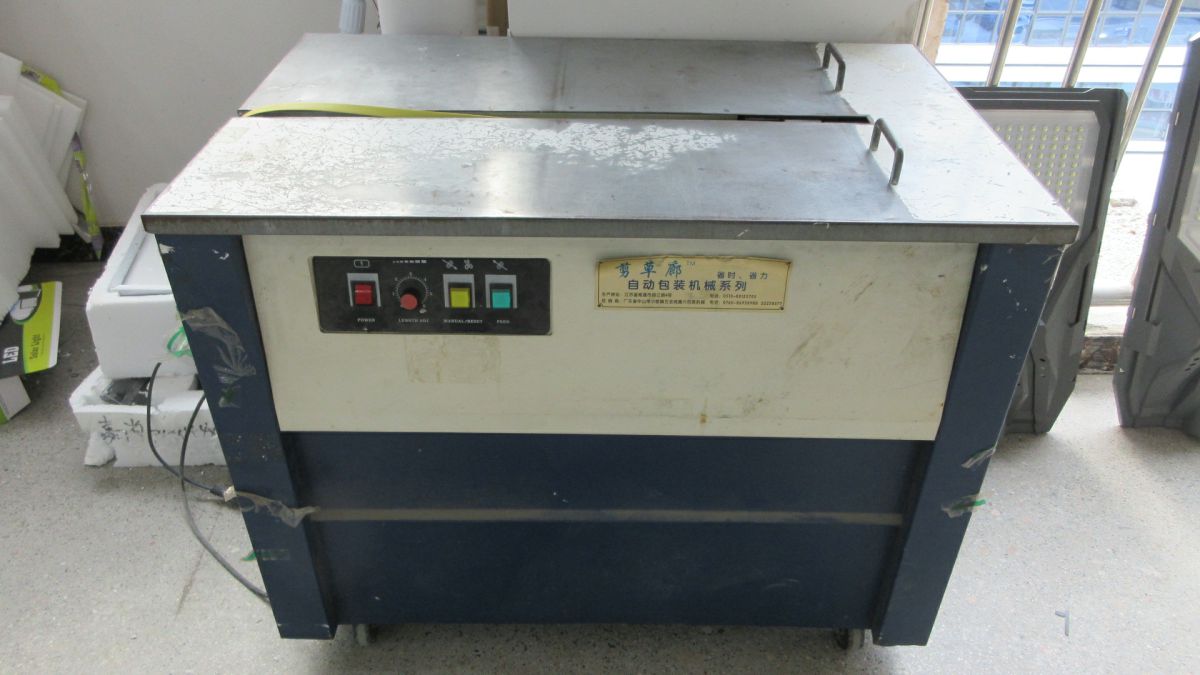
Established in 2010, Guangdong Habel Lighting Co., Ltd. is a professional manufacturer and exporter specializing in the design, development, and production of LED indoor lighting products and LED outdoor lighting solutions. Over the years, we have built a strong reputation in the lighting industry through continuous innovation, reliable quality, and customer-oriented service.
We are equipped with a powerful R&D team that continuously develops new products every year, ensuring our customers always have access to the latest advancements in lighting technology. By staying at the forefront of LED innovation, we are able to deliver energy-efficient, durable, and high-performance lighting solutions for a wide range of applications.
With extensive industry experience and strong technical know-how, Guangdong Habel Lighting has successfully maintained its competitive advantage in the global LED lighting market.
We are committed to building an international lighting brand and actively provide OEM and ODM services to partners worldwide. Our mission is to deliver outstanding lighting solutions that help customers achieve their goals in energy efficiency, sustainability, and cost-effectiveness. We believe in creating long-term partnerships and working together to illuminate a greener and brighter future.
Our leadership team across R&D, quality control, production, and sales departments each has over 5–10 years of experience in the LED lighting industry. This allows us to respond quickly with professional and effective lighting solutions tailored to different market needs.
We maintain a well-stocked inventory of raw materials, ensuring stable supply, faster production cycles, and reduced lead times. This also helps us guarantee consistent product quality from the very beginning of the manufacturing process.
Our quality control manager has over 15 years of experience in lighting inspection and testing. We implement strict QC procedures across materials, production processes, finished products, and shipment stages. Any after-sales feedback is handled quickly, with root-cause analysis and effective corrective solutions.
We respond to customer inquiries and complaints within 24 hours and provide practical solutions within 48 hours, ensuring smooth communication and customer satisfaction.
We consistently invest in product innovation, smart lighting development, and energy-saving technologies. Our goal is to expand our global presence and become a trusted partner in the international lighting industry.
We serve developers, municipal departments, and large distribution firms by providing structural, electrical, and optical design services tailored to commercial specifications. Our system engineering addresses critical concerns surrounding operational cost reductions and long-term project longevity.
We offer fully compliant OEM/ODM processes, custom outer branding packaging, custom CCT tuning, and comprehensive certified testing data (including IES files for DIALux calculations) to streamline your local tender submissions.
Our team assists in calculating the exact return on investment (ROI) and payback schedules. We evaluate ambient lux specifications, wind load survival metrics, solar irradiance coefficients, and select matching brackets to minimize on-site installation issues.
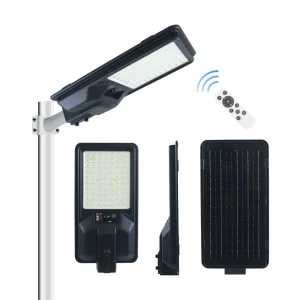
We provide street-grade and pedestrian-grade solar safety lanterns designed with smart dimming profiles to maximize battery life, along with vandal-proof construction to lower maintenance cycles for municipal parklands and community areas.
We utilize Grade A Lithium Iron Phosphate (LiFePO4) cells certified under UN38.3, MSDS, and IEC 62133 standards. Under standard test conditions with an 80% Depth of Discharge (DoD), our cells maintain over 80% of their initial capacity after 4000 to 6000 cycles. This equals approximately 10 to 15 years of daily operation under normal temperatures.
Yes. Our standard firmware features intelligent power management (IPM). When charging decreases during overcast weather, the system adjusts the output current based on the battery level. This guarantees 3 to 5 nights of illumination without direct sunlight.
Our commercial products undergo strict ingress testing to secure IP65 and IP66 certification. We seal all lens assemblies with industrial silicon and design the housings to withstand high impacts (IK08 to IK10), protecting them against vandalism and storm damage.
Standard OEM production ranges from 20 to 30 days, supported by our robust raw material inventory. For custom ODM products requiring prototype tooling, structural analysis, and photometry testing, the development cycle takes 45 to 60 days.
Yes, our key product lines carry CE, RoHS, UL, and DLC certifications. Our testing labs verify electrical compliance, radio-frequency interference (EMC), and photometric performance to ensure seamless custom clearance and compliance with local energy rebate programs.
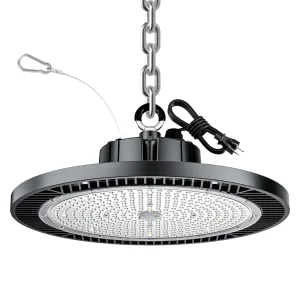
Extending reliability to high-bay, roadway, and hazardous area lighting networks

 Habel Lighting