Discover our leading selection of solar motion sensor luminaires engineered specifically to withstand prolonged winter nights and rapid temperature fluctuations.
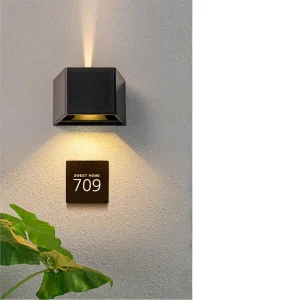
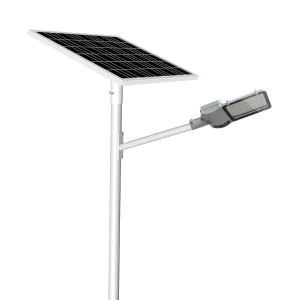
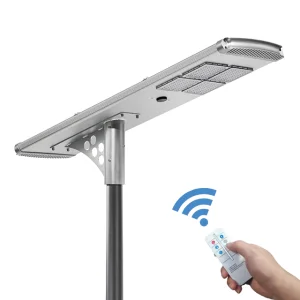
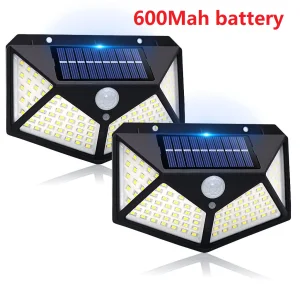
Our manufacturing processes are designed for scalability, absolute reliability, and performance in harsh environments.
The municipal and industrial development landscape in Moscow demands highly specialized lighting solutions. Given Moscow's geographical coordinates and distinctive sub-arctic climate, standard off-the-shelf solar lighting systems frequently fail. With winter temperatures plunging down to -30°C and average peak sun hours dropping significantly in November through January, designing a reliable solar-powered motion sensor light requires deep engineering adaptation.
Core Constraint: Standard Lithium-ion batteries (LiCoO2) undergo anode degradation and severe capacity drop when charged in sub-zero environments. Habel Lighting implements low-temperature charge control profiles and high-cycle LiFePO4 cells to ensure winter sustainability in the Russian Federation.
In Moscow, snow buildup is a primary cause of solar blackout. Our structural designs feature sloped, hydrophobic monocrystalline panels. We utilize a surface treatment process that minimizes snow adhesion and permits natural slide-off. Furthermore, the solar spectrum at high latitudes is heavily dominated by diffuse blue light during overcast winter days. Our panels are engineered with advanced low-light absorption layers, utilizing multi-busbar technology to maximize current generation under grey, overcast skies.
Conventional Passive Infrared (PIR) sensors rely on detecting differential temperature between a moving object and the background environment. When ambient temperatures hover around 36.5°C (human body temperature), PIR sensitivity decreases. Conversely, in extreme cold (-20°C), thermal contrast is stark, but ice accumulation on lenses can block infrared transmission. Our engineering team integrates dual-technology sensors, coupling optimized PIR with high-frequency microwave detection mechanisms to ensure immediate trigger performance without false positives caused by heavy snowfall or winter gales.
Guangdong Habel Lighting Co., Ltd. brings over a decade of scientific rigor to the manufacturing of solar-powered lighting systems. Our engineering methodology is grounded in addressing the three critical failure points of solar street lights in northern climates: battery degradation, ingress of freezing moisture, and insufficient charging capacity.
We deploy high-capacity Lithium Iron Phosphate (LiFePO4) batteries housed in insulated thermal compartments. For critical industrial applications in the Moscow Region, we offer integrated self-heating elements powered by intelligent micro-controllers. When the solar panel generates voltage and the internal battery sensor detects temperatures below 0°C, the incoming energy is routed to internal heating films to bring the battery cell to a safe charging temperature (+5°C), thereby preventing lithium plating and ensuring a lifespan exceeding 2,500 charge-discharge cycles.
Water expands when it freezes. In Moscow, the freeze-thaw cycle occurs rapidly between November and April. Standard outdoor plastics fail due to micro-cracking, allowing moisture to penetrate the luminaire housing. Habel Lighting uses high-pressure die-cast aluminum alloy (ADC12) coated with corrosion-resistant polyurethane paint, alongside UV-stabilized polycarbonate lenses. Dual-groove silicone seals prevent any ingress of moisture, guaranteeing strict IP65 or IP67 protection classes under actual operating conditions.
Traditional PWM (Pulse Width Modulation) controllers lose up to 30% of energy during low-insolation cycles. Our smart controllers feature Maximum Power Point Tracking (MPPT) logic capable of tracking the solar peak within milliseconds. This increases charging efficiency by up to 25% under overcast Moscow skies, allowing the luminaire to store sufficient energy during short daylight windows (typically 4.5 to 6 hours in winter) to power the LED assembly through the long 16-hour winter night.
Established in 2010. Precision engineering, premium materials, and end-to-end quality assurance for the global municipal and commercial sectors.
Guangdong Habel Lighting Co., Ltd. was established in 2010. We are a professional manufacturer and exporter specializing in the design, development, and production of LED indoor lighting products and LED outdoor lighting solutions. Over the years, we have built a strong reputation in the lighting industry through continuous innovation, reliable quality, and customer-oriented service.
We are equipped with a powerful R&D team that continuously develops new products every year, ensuring our customers always have access to the latest advancements in lighting technology. By staying at the forefront of LED innovation, we are able to deliver energy-efficient, durable, and high-performance lighting solutions for a wide range of applications.
With extensive industry experience and strong technical know-how, Guangdong Habel Lighting has successfully maintained its competitive advantage in the global LED lighting market. We actively provide OEM and ODM services to partners worldwide. Our mission is to deliver outstanding lighting solutions that help customers achieve their goals in energy efficiency, sustainability, and cost-effectiveness.
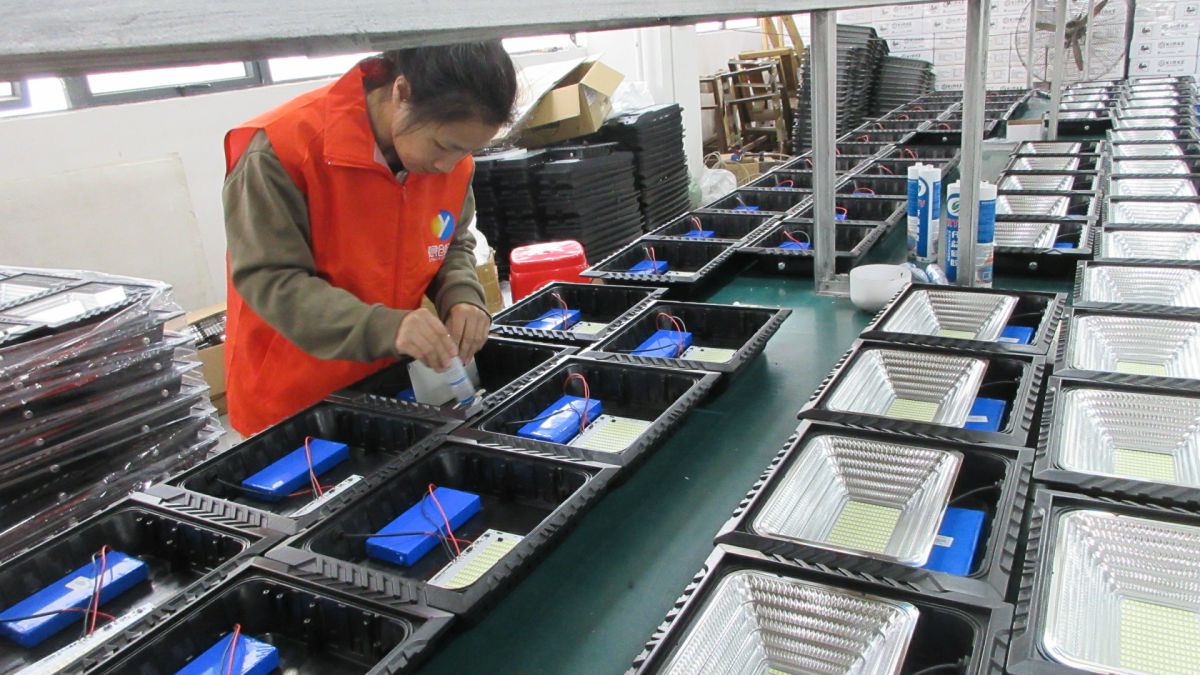
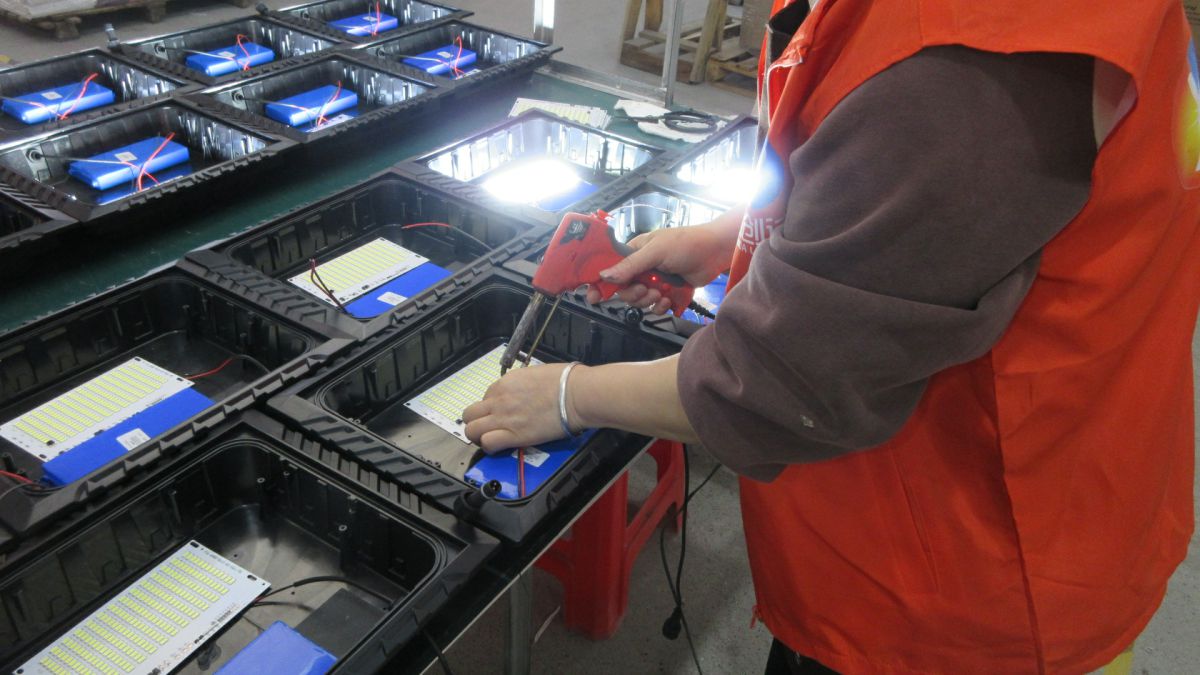
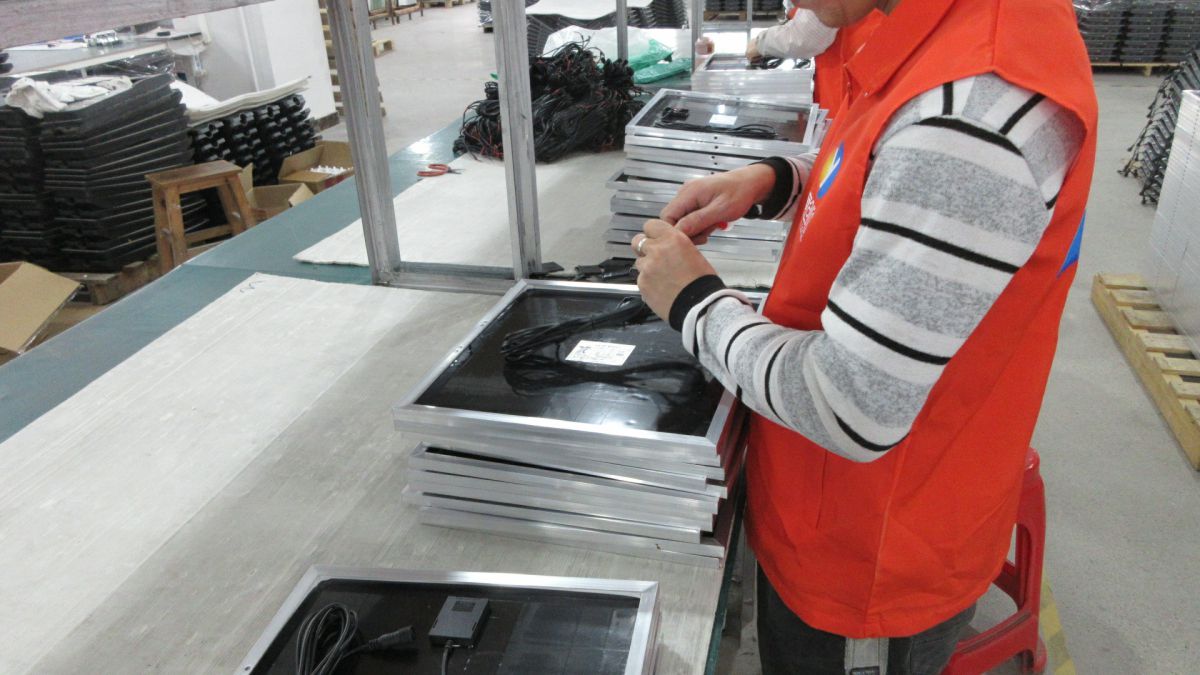
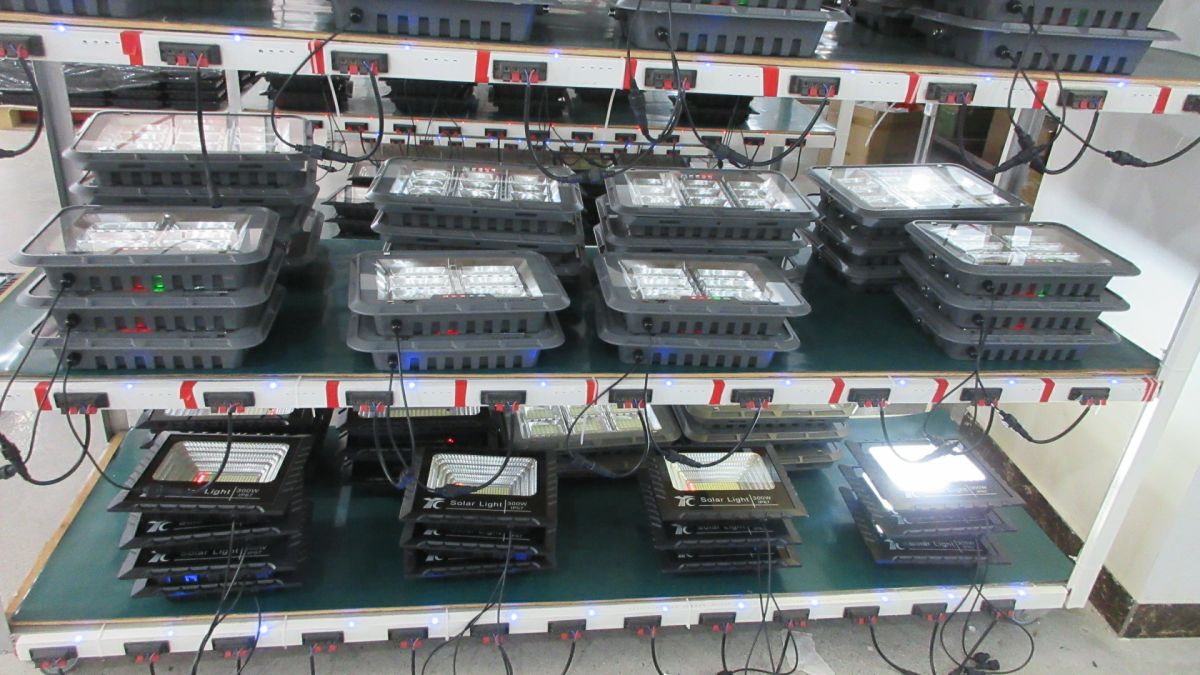
Take an inside look at our state-of-the-art facilities located in the heart of China's LED manufacturing hub.
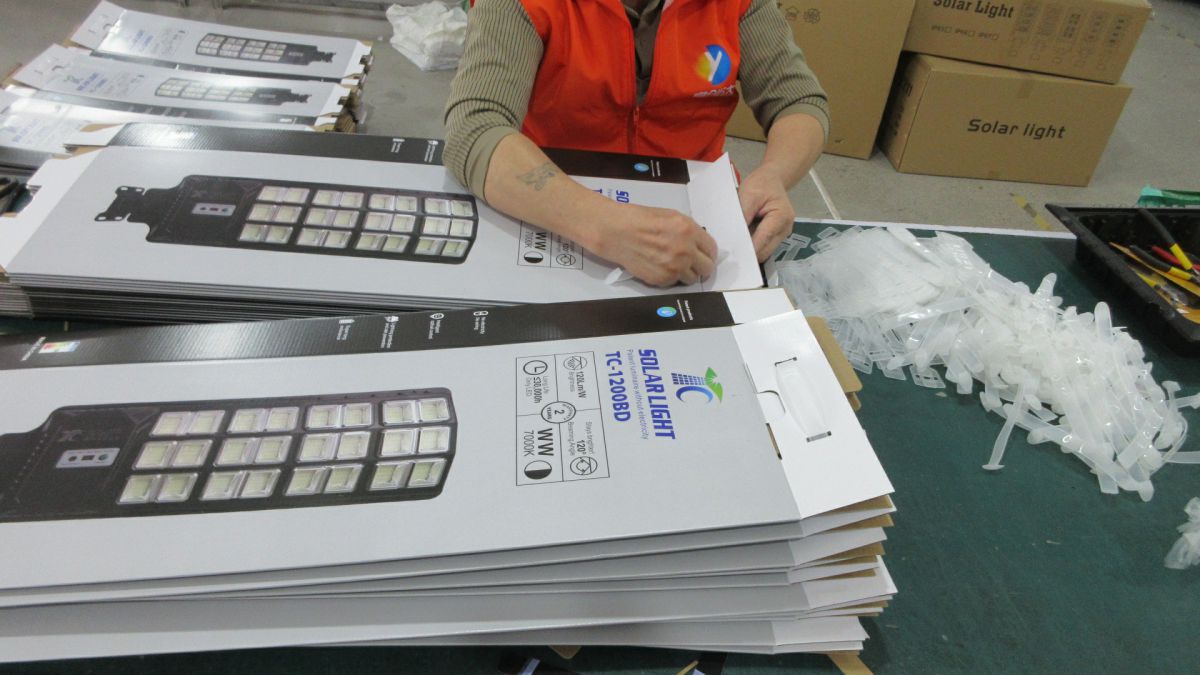
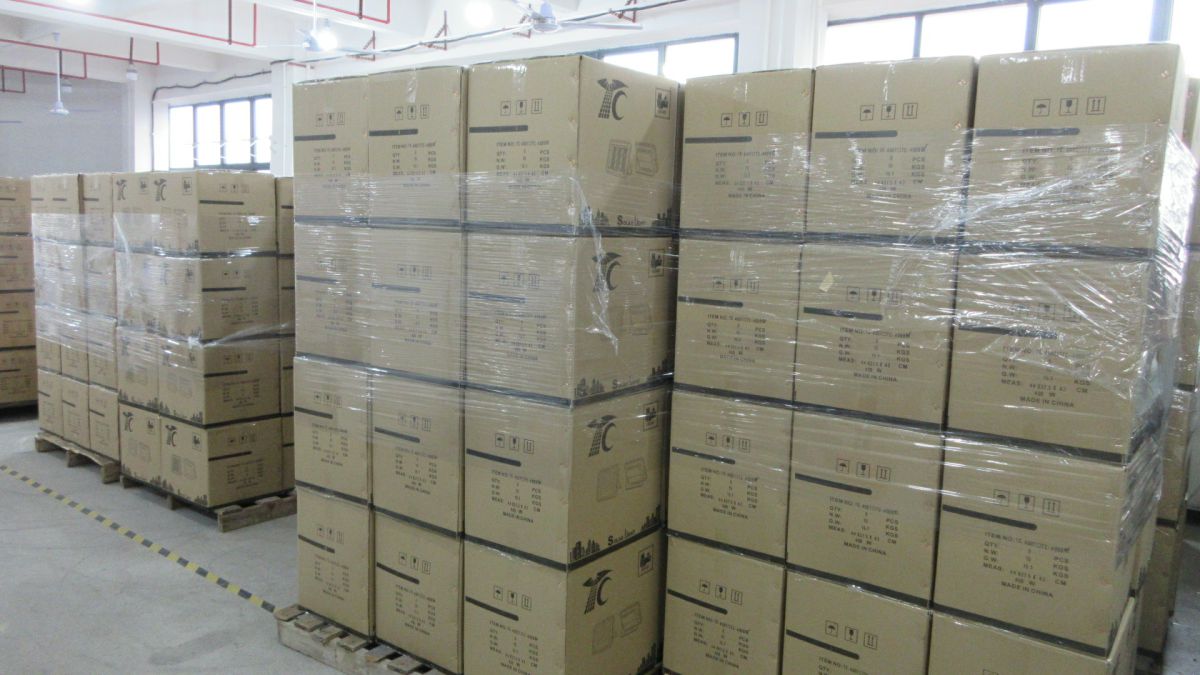
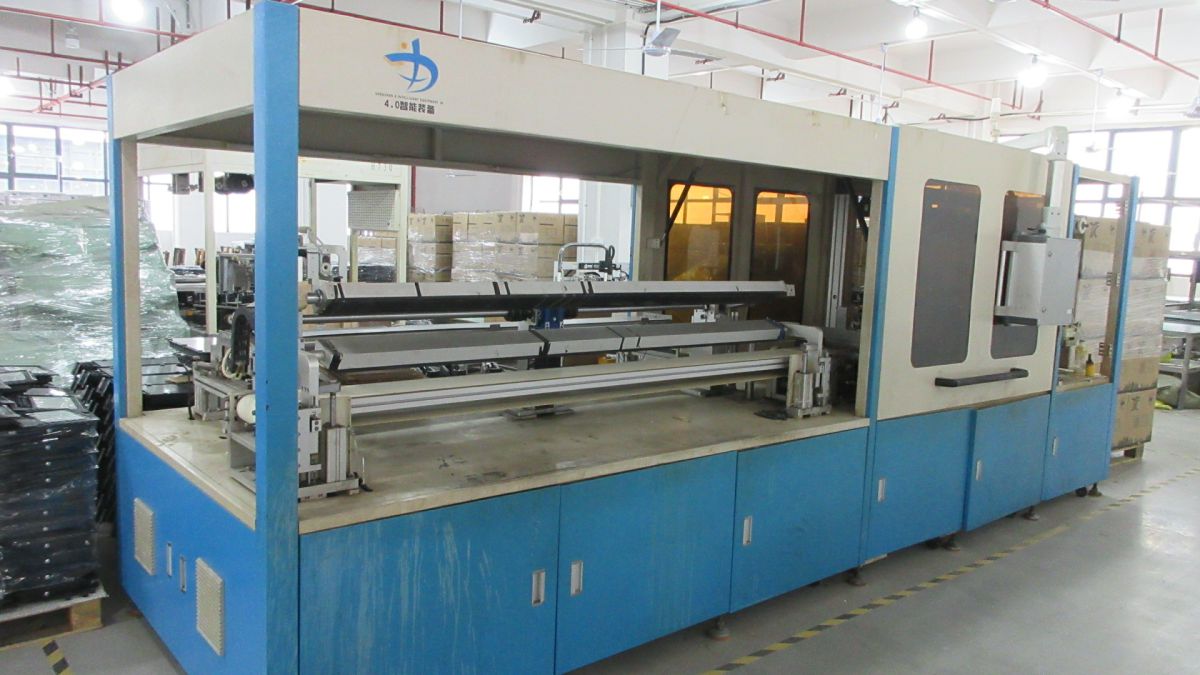
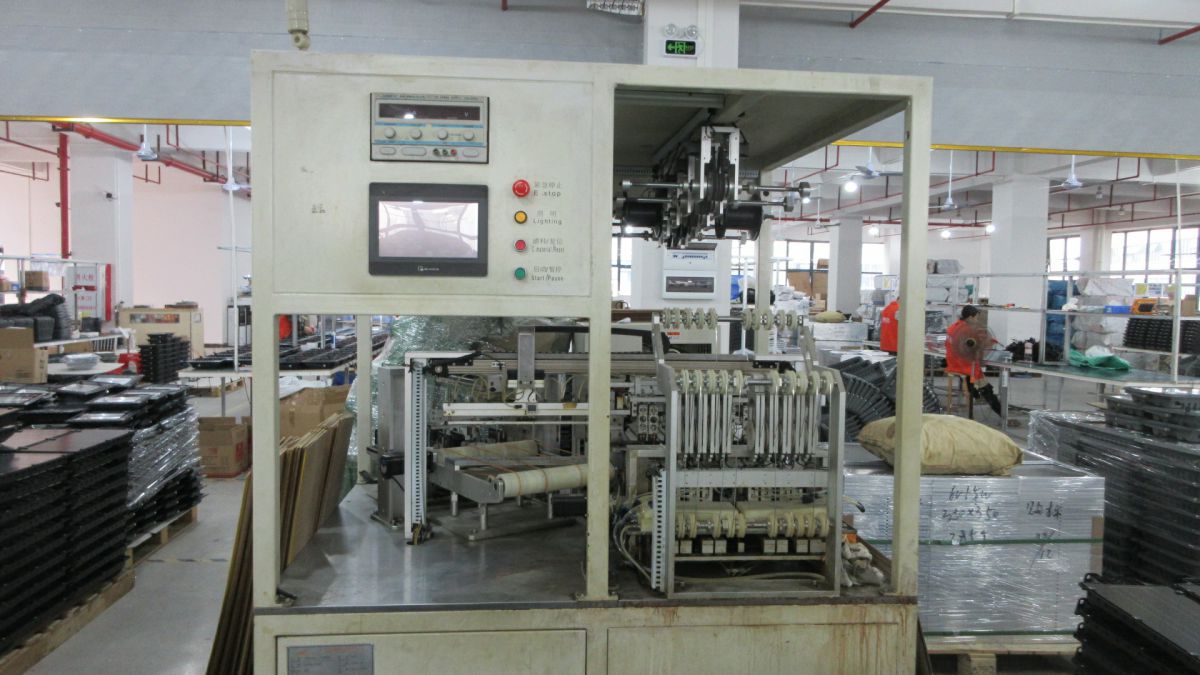
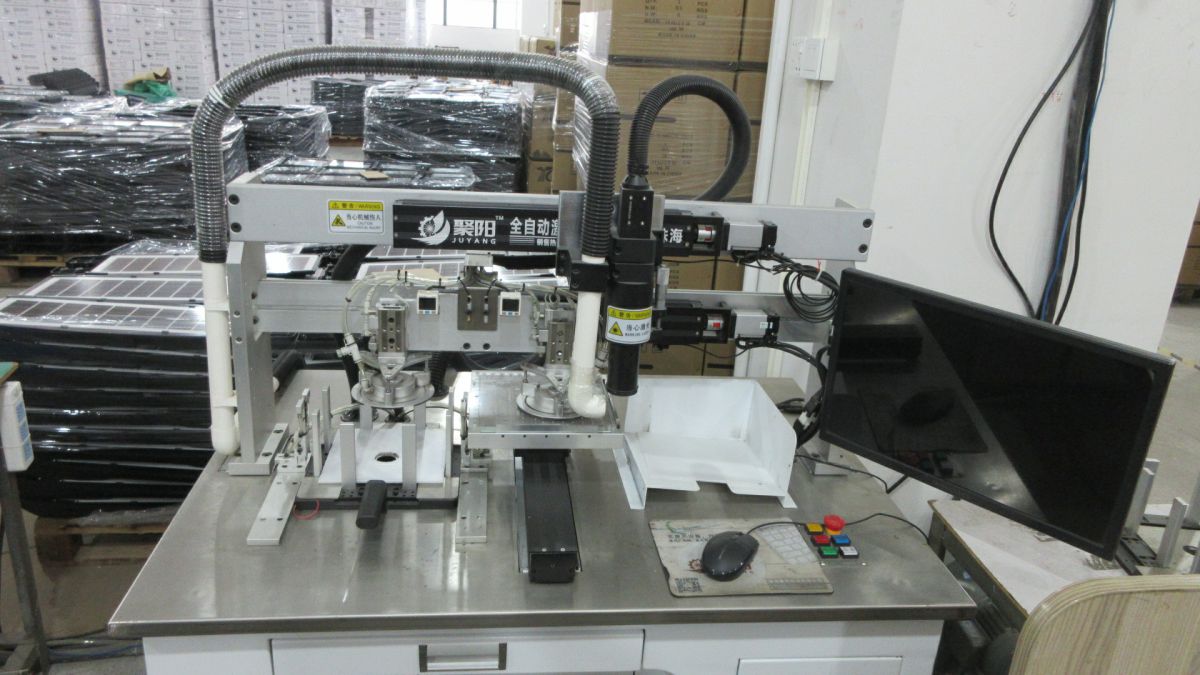
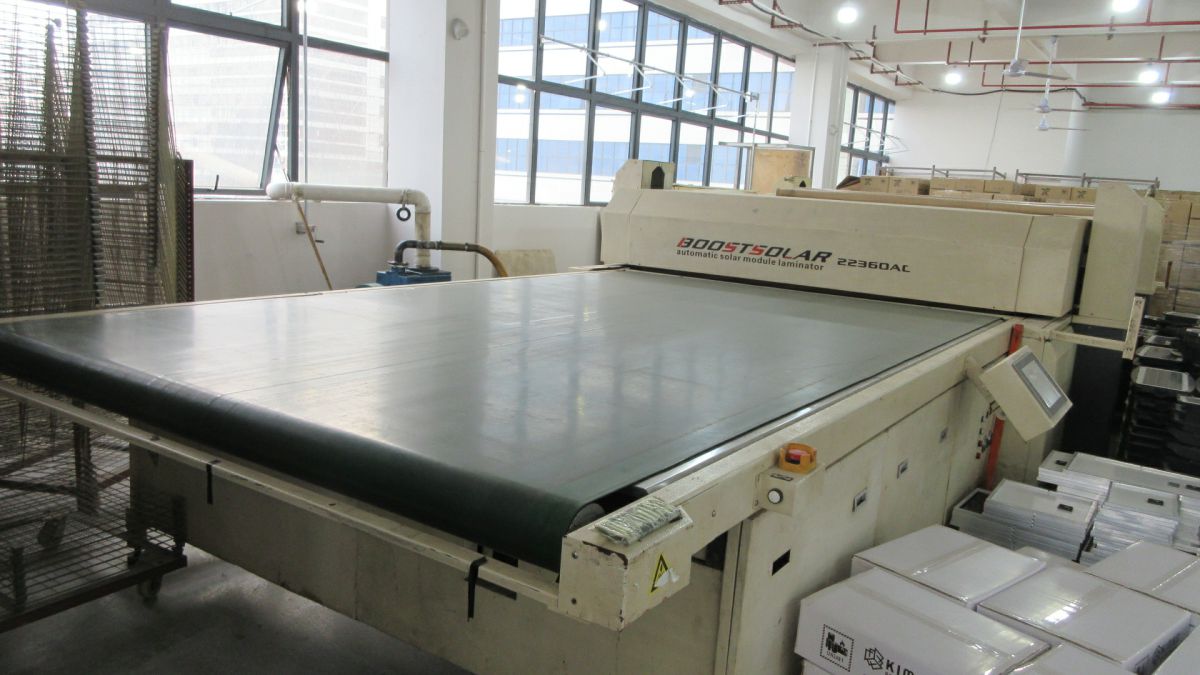
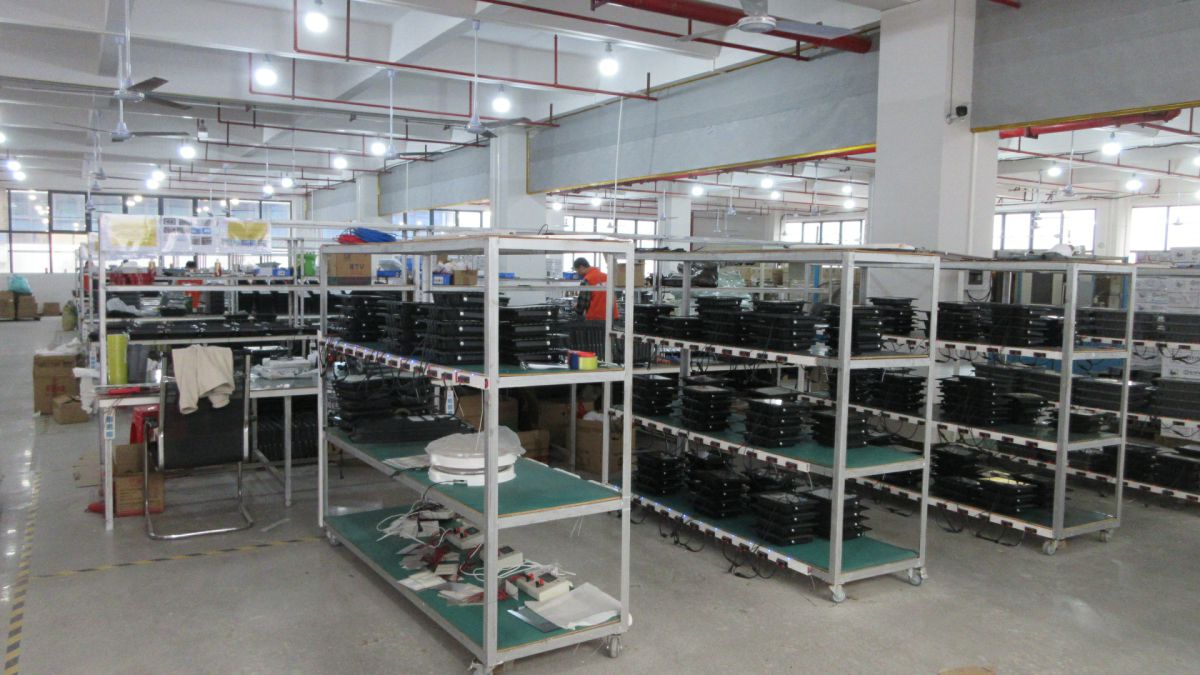
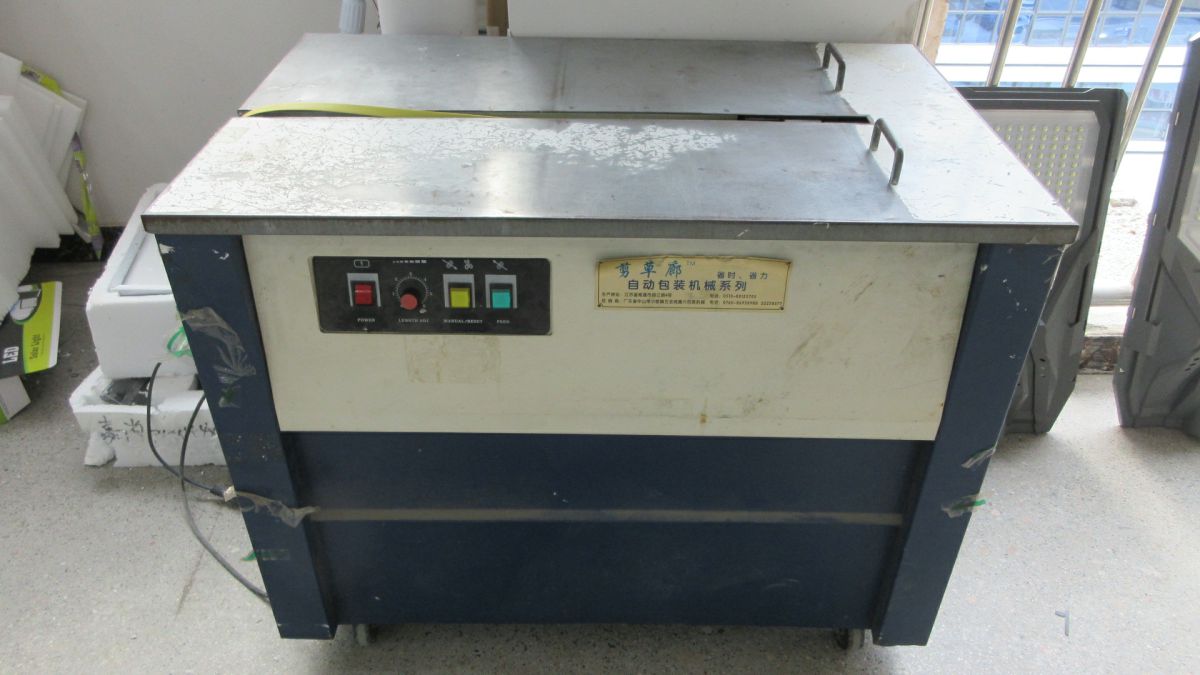
For distributors, architectural engineering firms, and municipal procurement heads in Moscow, ensuring regulatory conformity is critical. All imports destined for Russian industrial construction or civil landscaping must align with Eurasian Economic Union (EAEU) requirements, specifically technical regulations TR CU 004/2011 (LVD) and TR CU 020/2011 (EMC). Our export division ensures that all test reports are generated by internationally accredited labs, streamlining EAC conformity declaration and clearing customs without delays at major logistics terminals like Moscow's Sheremetyevo Cargo or Domodedovo Customs.
Logistical reliability is as vital as product performance. We offer multi-modal freight routes to Moscow, including standard ocean freight to St. Petersburg/Novorossiysk ports combined with domestic road transport, or expedited block trains starting from Chengdu/Xi’an direct to Moscow Vorsino or Bely Rast rail hubs. Transit times are kept optimal, and our material buffer systems ensure that wholesale orders are dispatched with minimum lead time, insulated from seasonal shipping bottlenecks.
Every batch of solar streetlights and residential motion-activated wall luminaires is subject to stringent component validation. From incoming inspections of high-power Bridgelux/San'an LED matrices to spectrophotometer evaluation of monocrystalline wafers, Habel Lighting maintains complete traceability. Quality records are held for five years, providing our business partners in Moscow and neighboring regions with absolute transparency in production history.
Request our comprehensive product catalog, customized photometric simulations, or customized technical solutions. Speak to our senior design engineers today.
Send Inquiry NowAs the clean energy transformation accelerates, Habel Lighting is pioneering integration of smart technology into autonomous municipal networks. Our research lab is currently focusing on three key development streams designed for deployment in high-latitude metropolitan environments:
Moscow’s prolonged snow cover can be transformed into an energy advantage. By employing bifacial solar modules, our upcoming product line captures not only direct overhead sunlight but also the ambient light reflected off the surrounding snow cover (known as the albedo effect). Under clear snow conditions, this can increase total energy capture by up to 18%, keeping systems charged even during low solar angles.
Future iterations of our 200W solar street light platforms will support NB-IoT communication protocols. This allows municipal operators in Moscow to remotely manage brightness profiles, receive immediate fault notifications, monitor battery health status, and track motion sensor usage patterns through a centralized cloud dashboard, drastically cutting routine maintenance costs.
While LiFePO4 offers excellent life-cycle durability, Sodium-ion batteries represent the true horizon for sub-arctic operations. Exhibiting exceptional performance down to -40°C without the need for active heating elements, sodium-ion technology will eliminate temperature-related capacity limitations, paving the way for 100% reliable year-round solar energy in northern cities.
Answers to critical technical and logistical questions commonly raised by procurement managers and design engineers.
Yes. Our lights are specially designed for high-latitude operations. By pairing highly efficient monocrystalline solar panels with advanced MPPT (Maximum Power Point Tracking) controllers and low-temperature tolerant LiFePO4 batteries, our systems store enough charge to sustain operations even during the brief daylight hours of Moscow winters.
Standard lithium batteries cannot safely accept a charge below freezing without sustaining internal damage. To counter this, Habel Lighting utilizes insulated battery compartments and optional thermal management systems. When solar power is detected, the system warms the battery cell to above freezing before allowing current to flow, ensuring battery longevity.
Absolutely. All outdoor solar luminaire series are manufactured to meet the strict directives of TR CU 004/2011 (Low Voltage Directive) and TR CU 020/2011 (Electromagnetic Compatibility), and we assist clients in procuring the necessary certificates for smooth customs clearance.
Our motion sensors feature weather-sealed Fresnel lenses made of high-density polyethylene (HDPE), which resist degradation from extreme cold and UV rays. When combined with our intelligent processing chips, they prevent false triggers from falling snow and remain operational for over 50,000 hours.
We offer both FOB and CIF terms, utilizing the New Silk Road rail network (with transit times of 15 to 22 days to major Moscow hubs) or ocean shipping combined with trucking via St. Petersburg to ensure cost-efficiency and on-schedule project delivery.
Explore our broader selection of wall, flood, and architectural lights designed to deliver exceptional reliability across the Russian Federation.
 Habel Lighting