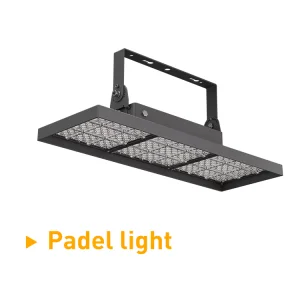
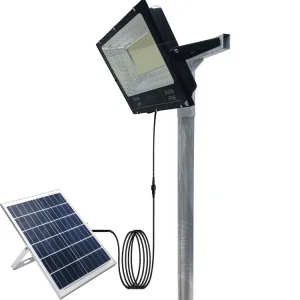
The transition toward highly efficient LED solutions across municipal sports complexes, transit hubs, and shipping terminals in New Zealand has accelerated. Driven by national sustainability mandates, local councils from Auckland to Invercargill are actively replacing legacy metal halide and high-pressure sodium fixtures with solid-state LED systems.
New Zealand's commercial landscape imposes highly unique environmental parameters. Because no site is far from the ocean, lighting components face severe C5-M (Marine Coastal Corrosion) classifications. Cheap imports degrade rapidly under the southern hemisphere's intense UV exposure and persistent maritime moisture. Moreover, regions like Wellington demand high wind-load ratings (up to region-specific ultimate wind speeds) for high-mast lighting installations.
To secure government funding and pass council approvals, installations must comply strictly with the AS/NZS 2560 series standards (Sports Lighting) and the AS/NZS 1158 lighting series. These guidelines demand strict glare control (low UGR values), specific horizontal/vertical lux levels, and rigid structural compliance for masts and fittings.
Globally, stadium and high-mast installations are no longer evaluated purely on raw wattage. Modern lighting architecture focuses on high luminous efficacy, custom-tailored asymmetric optics, and long-term lumen maintenance.
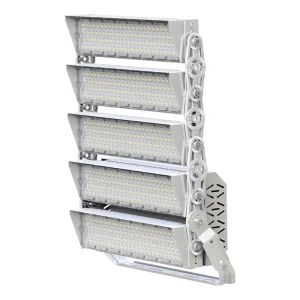
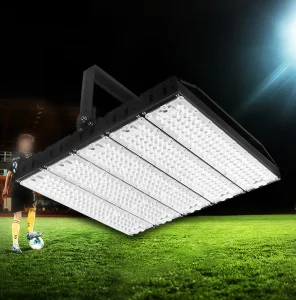
By utilizing advanced PMMA lens modules, we direct light precisely onto the field, eliminating spill light into surrounding residential neighborhoods. This design supports asymmetrical distributions that optimize vertical illuminance for high-speed sports broadcasting.
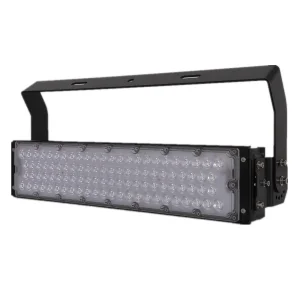
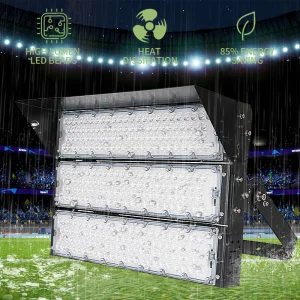
High-wattage floodlights generate significant heat. Our enclosures incorporate pure 6063-T5 aluminum heat sinks alongside top-tier drivers (MeanWell, Inventronics). With 10KV/20KV surge protection, they withstand power line instabilities easily.
Integrating smart lighting controls (DALI-2, Zigbee, DMX512) allows operators to dim lights based on real-time activity levels. This lowers electricity bills while matching specific game play requirements (training versus match play).
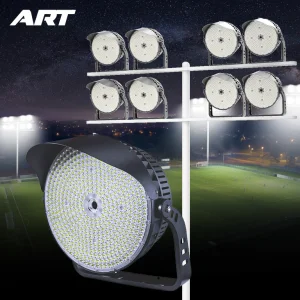
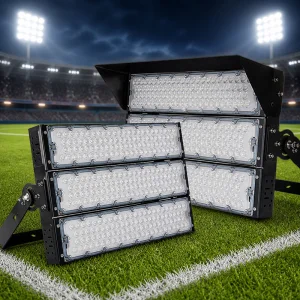
Guangdong Habel Lighting Co., Ltd. was established in 2010. We are a professional manufacturer and exporter specializing in the design, development, and production of LED indoor lighting products and LED outdoor lighting solutions. Over the years, we have built a strong reputation in the lighting industry through continuous innovation, reliable quality, and customer-oriented service.
We are equipped with a powerful R&D team that continuously develops new products every year, ensuring our customers always have access to the latest advancements in lighting technology. By staying at the forefront of LED innovation, we are able to deliver energy-efficient, durable, and high-performance lighting solutions for a wide range of applications.
With extensive industry experience and strong technical know-how, Guangdong Habel Lighting has successfully maintained its competitive advantage in the global LED lighting market.
We are committed to building an international lighting brand and actively provide OEM and ODM services to partners worldwide. Our mission is to deliver outstanding lighting solutions that help customers achieve their goals in energy efficiency, sustainability, and cost-effectiveness. We believe in creating long-term partnerships and working together to illuminate a greener and brighter future.
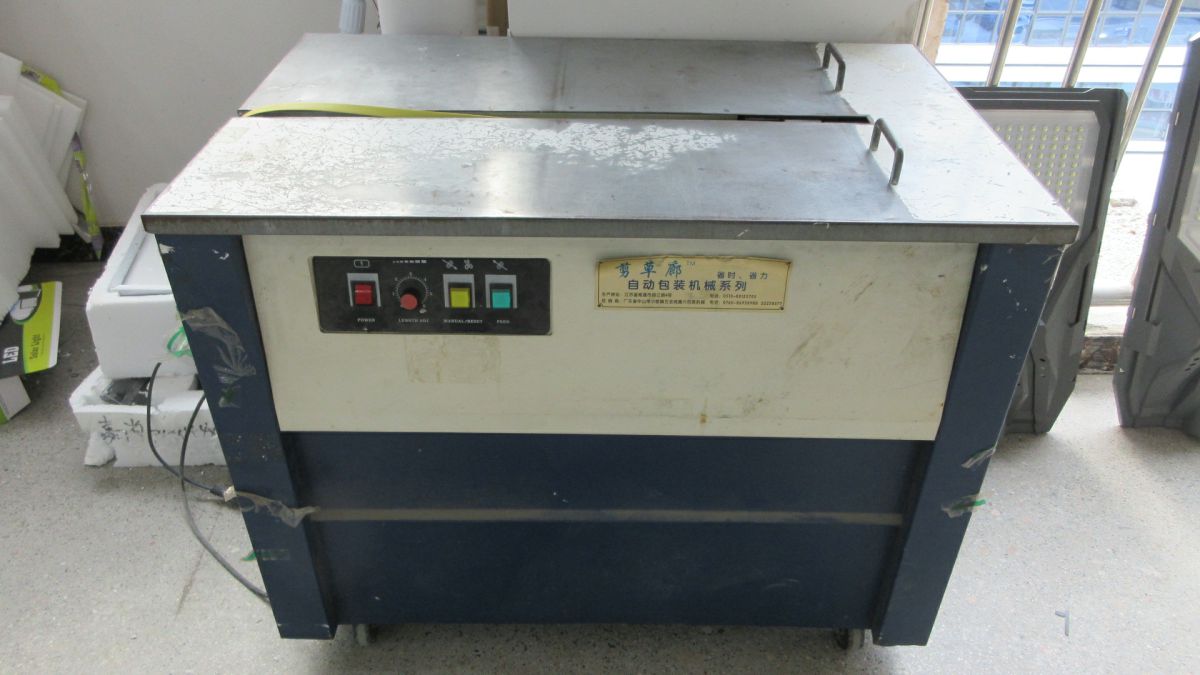
Our production floor employs top-tier automated machinery and validation testing benches to guarantee that every luminaire destined for the New Zealand market meets structural and optical criteria.
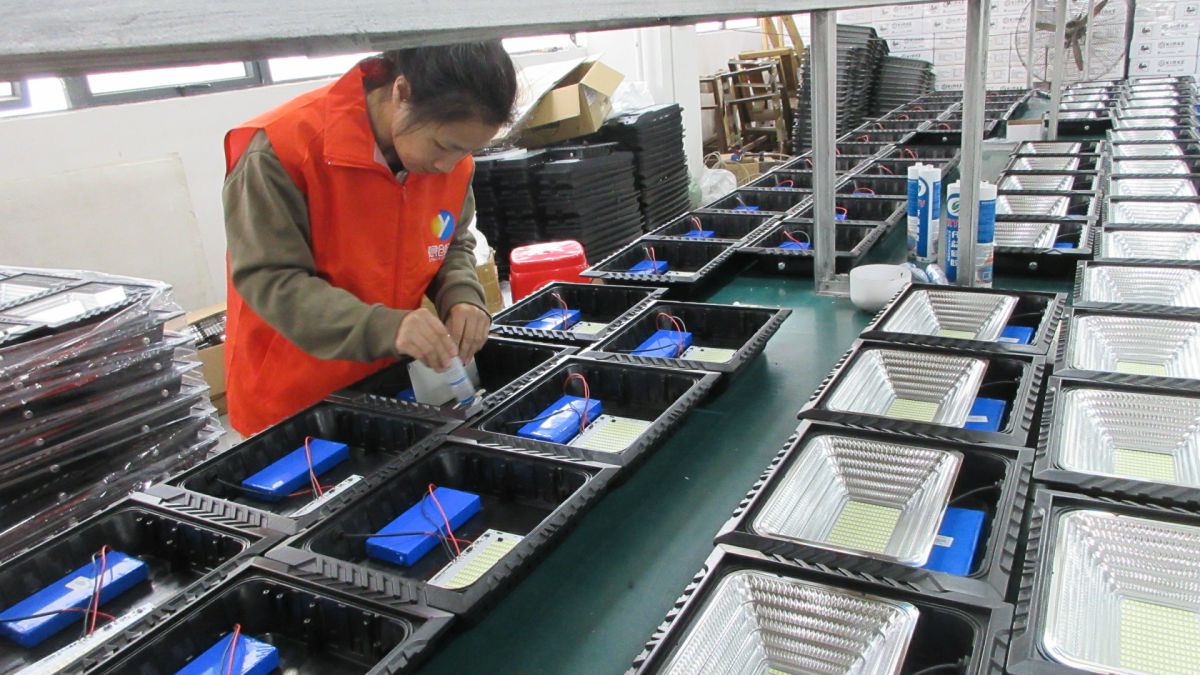
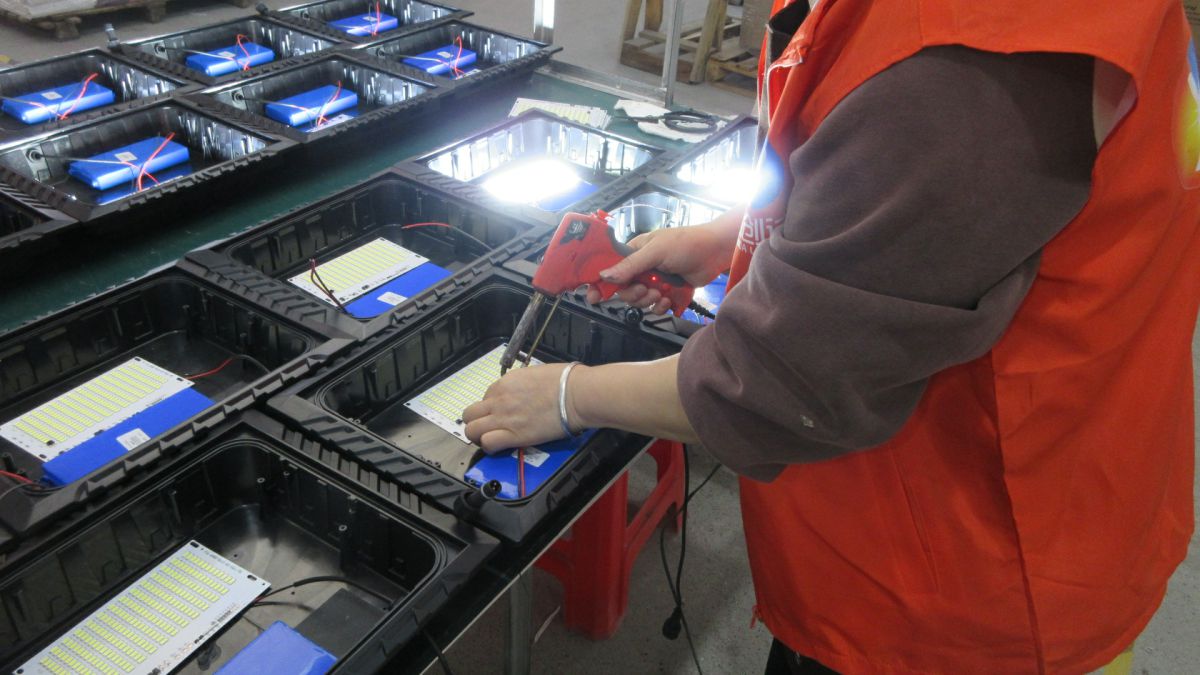
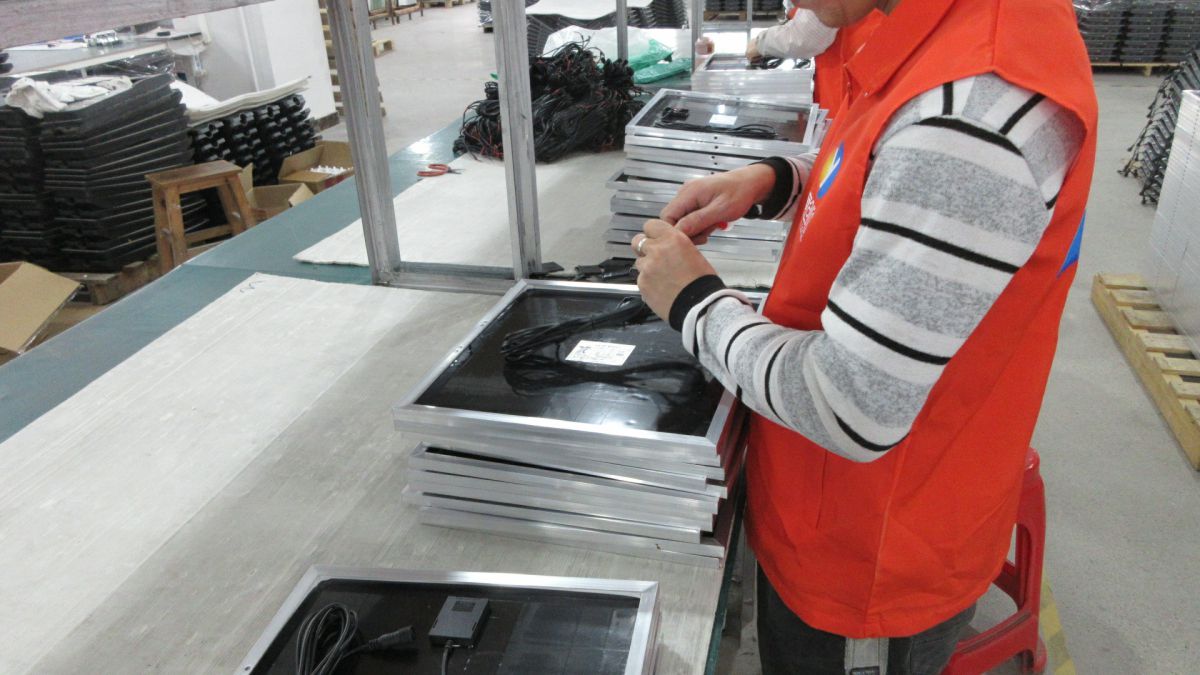
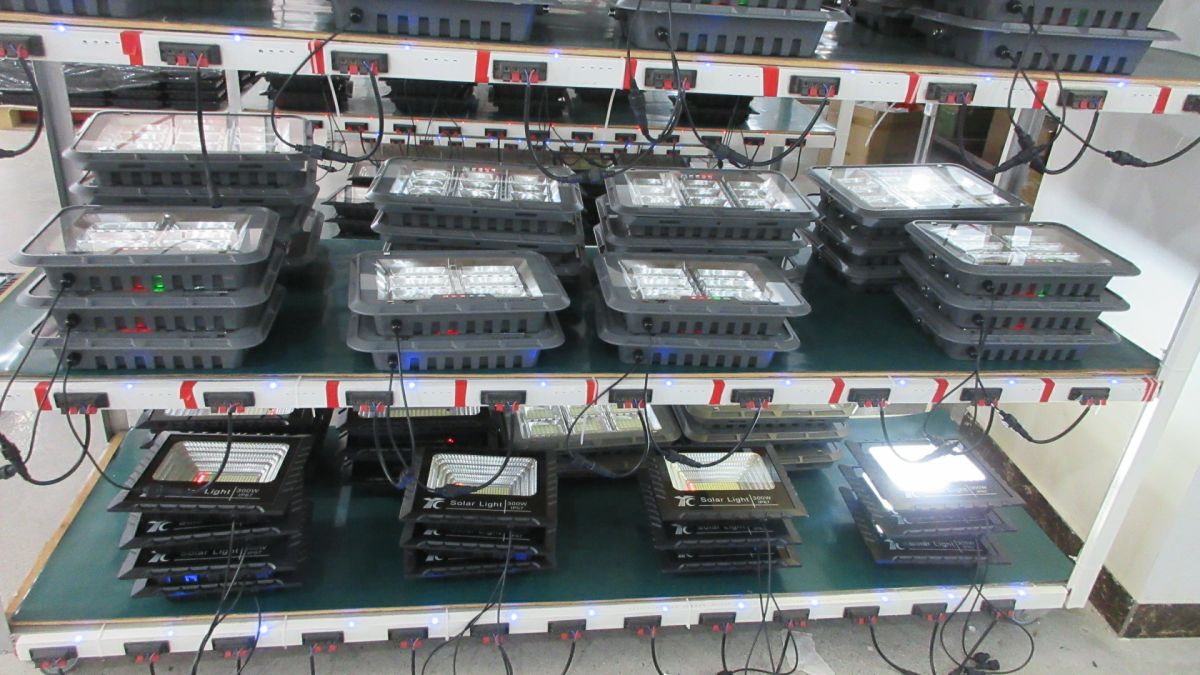
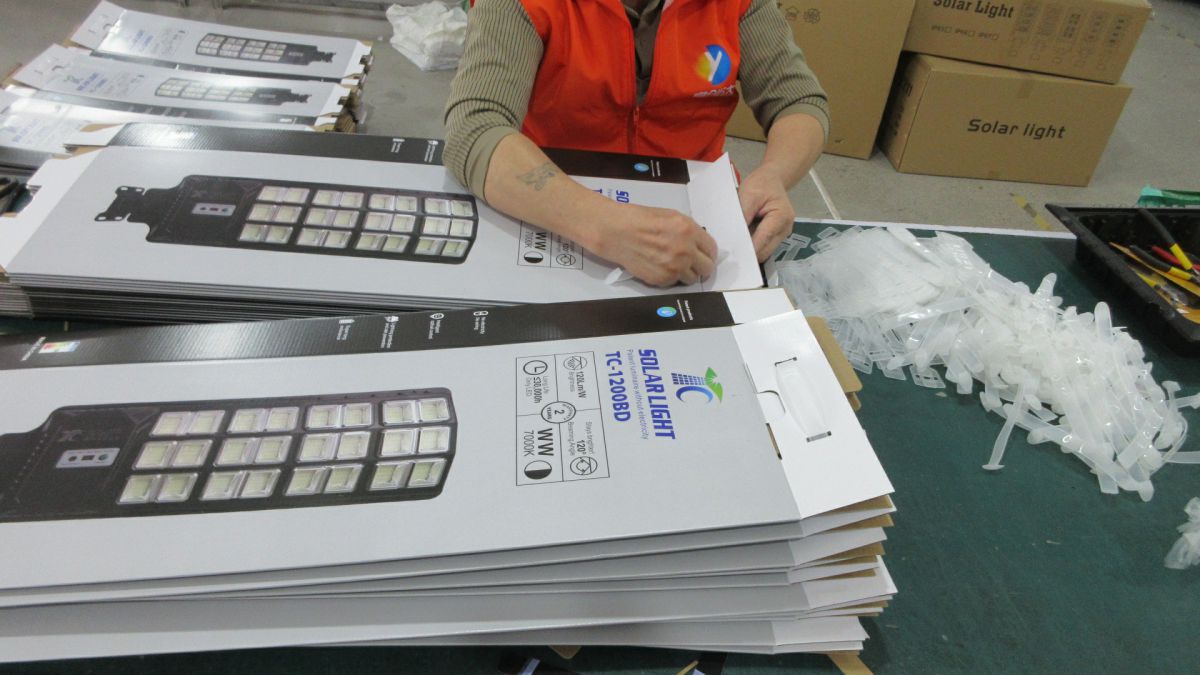
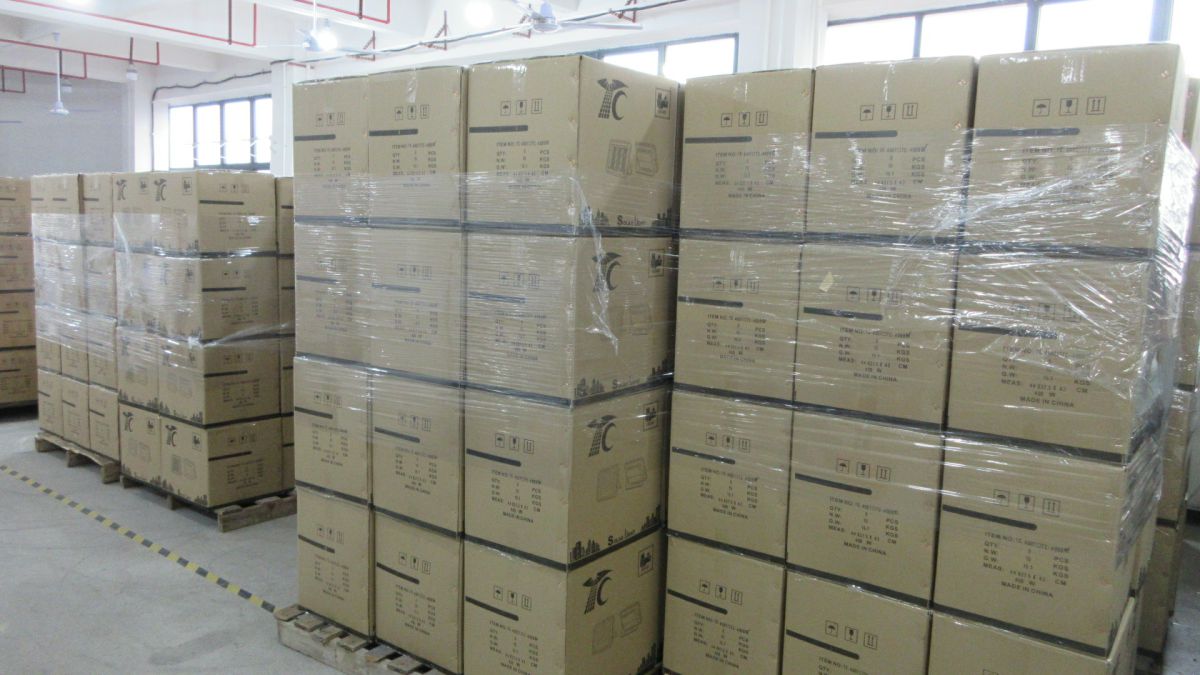
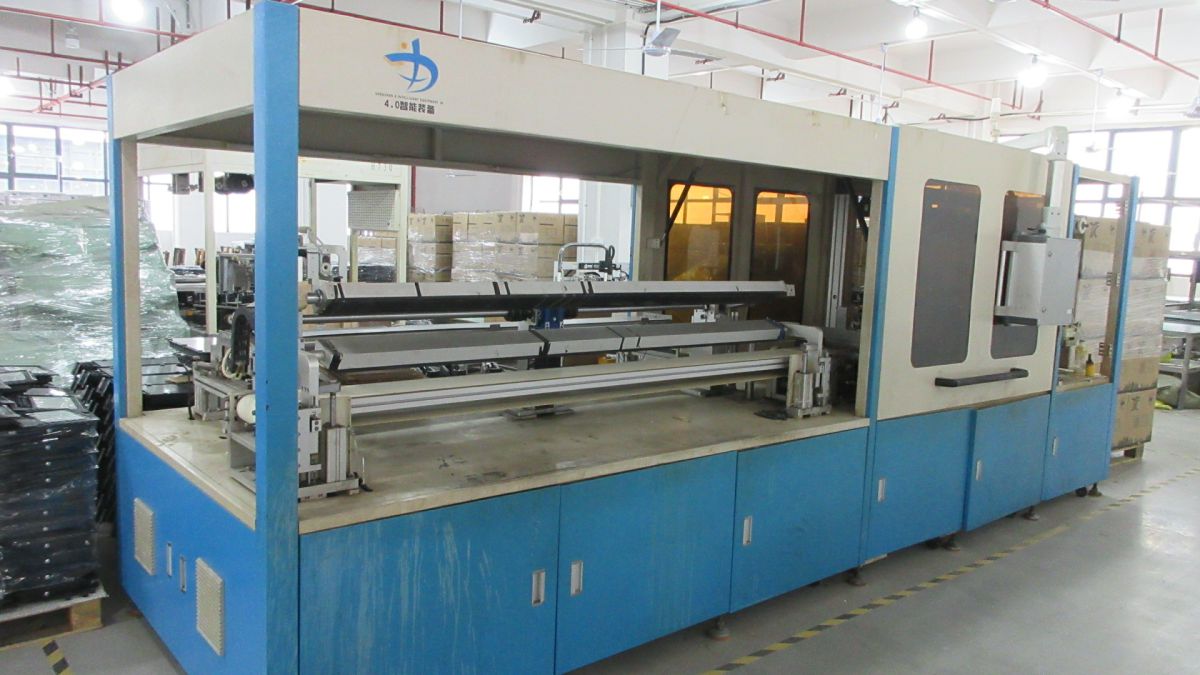
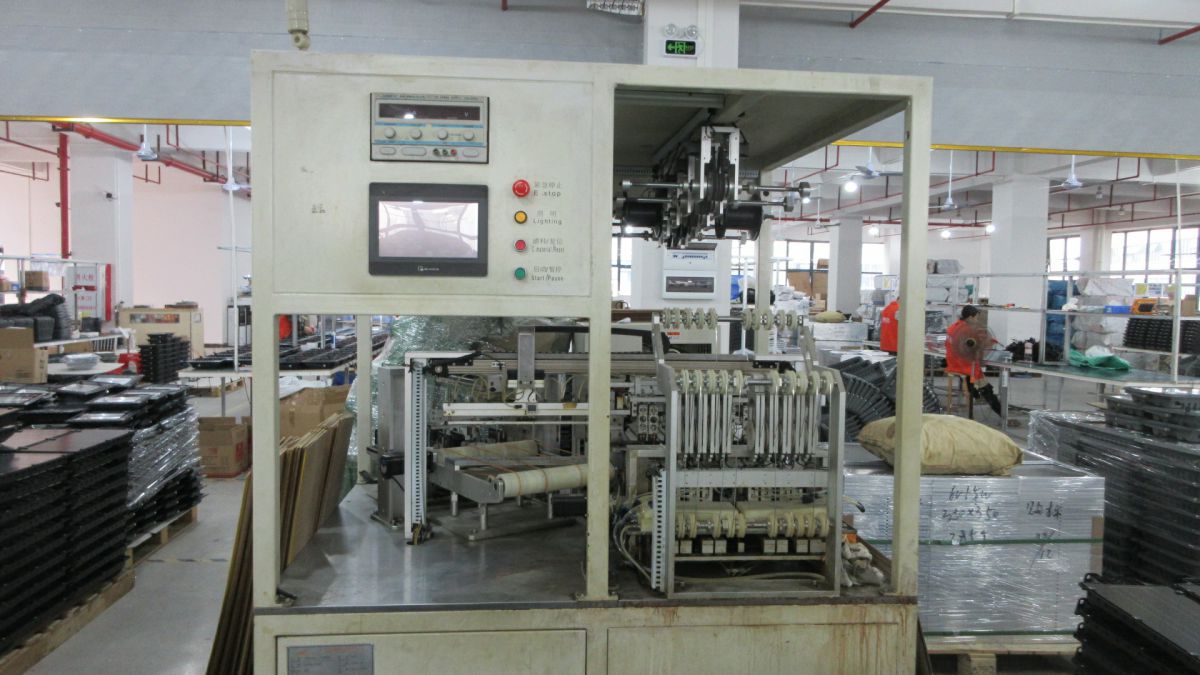
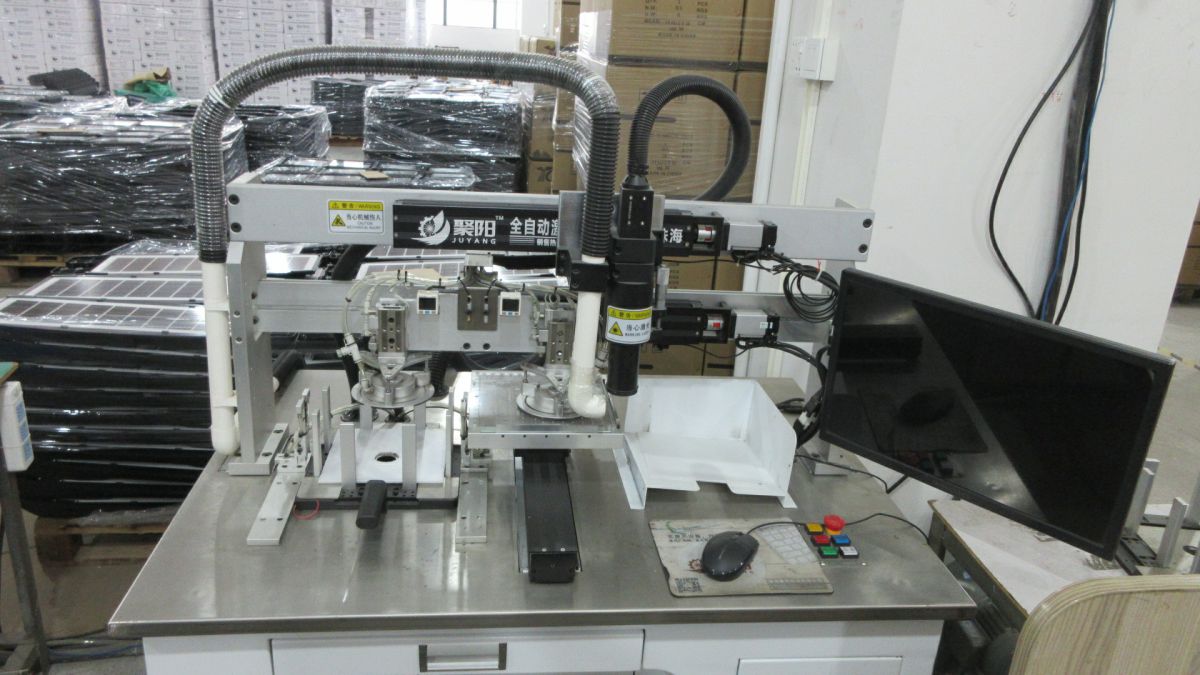
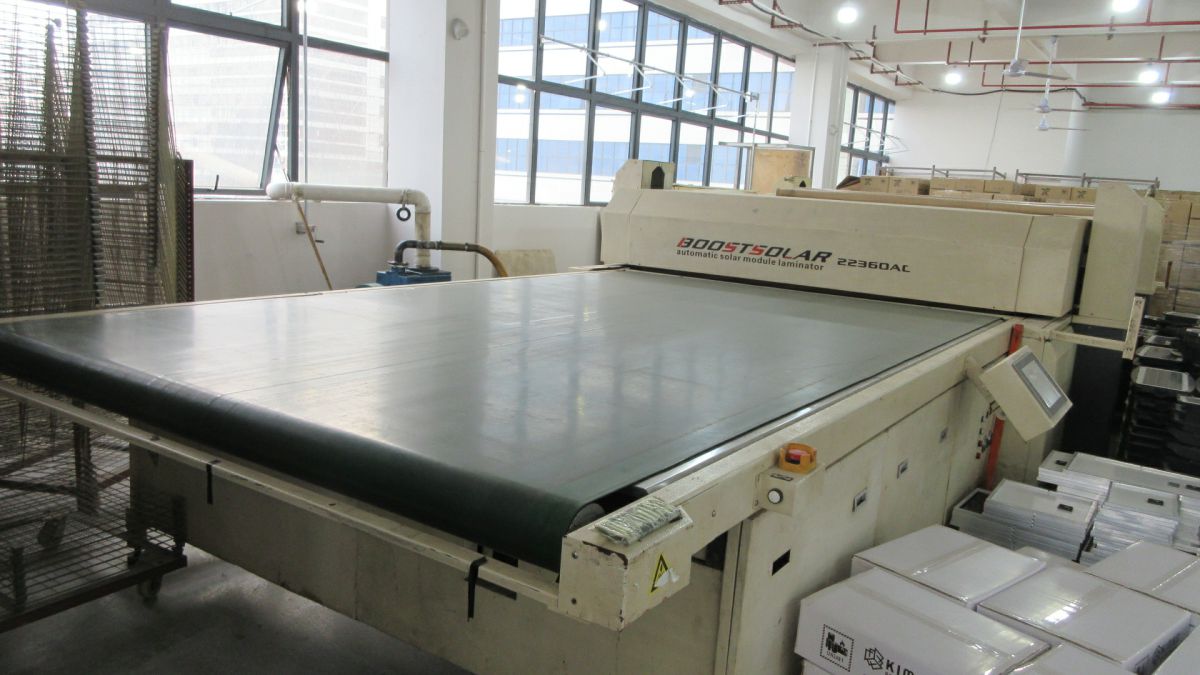
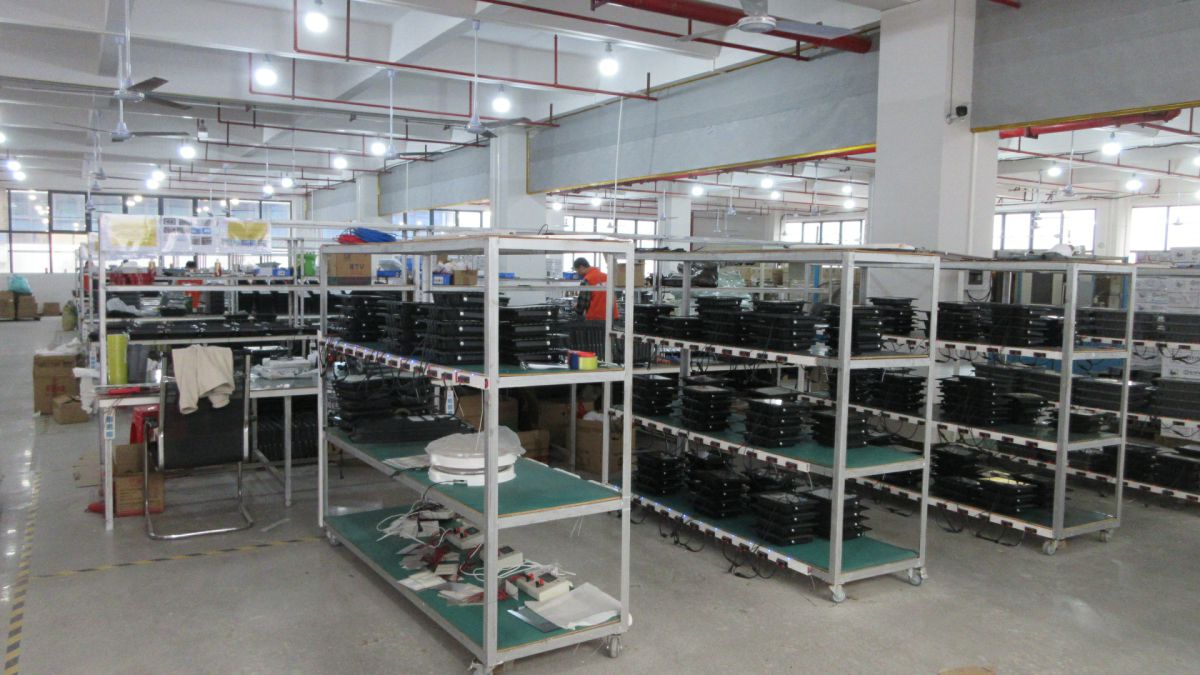
Our leadership team across R&D, quality control, production, and sales departments each has over 5–10 years of experience in the LED lighting industry. This allows us to respond quickly with professional and effective lighting solutions tailored to different market needs.
We maintain a well-stocked inventory of raw materials, ensuring stable supply, faster production cycles, and reduced lead times. This also helps us guarantee consistent product quality from the very beginning of the manufacturing process.
Our quality control manager has over 15 years of experience in lighting inspection and testing. We implement strict QC procedures across materials, production processes, finished products, and shipment stages. Any after-sales feedback is handled quickly, with root-cause analysis and effective corrective solutions.
We respond to customer inquiries and complaints within 24 hours and provide practical solutions within 48 hours, ensuring smooth communication and customer satisfaction.
We consistently invest in product innovation, smart lighting development, and energy-saving technologies. Our goal is to expand our global presence and become a trusted partner in the international lighting industry.
Meeting AS/NZS 2560.2.3 guidelines for professional clubs and regional playing grounds, providing high vertical uniformity and minimizing glare for players and cameras.
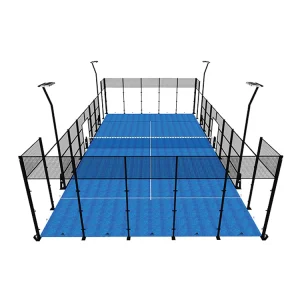
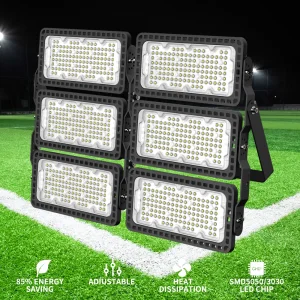
As the padel tennis boom grows in Auckland and Christchurch, our low-glare 250W 190lm/w asymmetrical floodlight arrays achieve the required 500lx average illuminance.
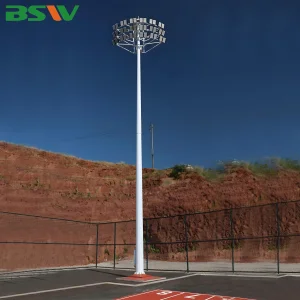
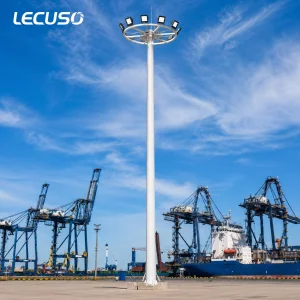
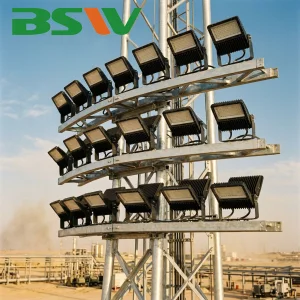
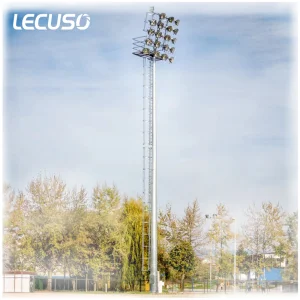
High-mast systems featuring hot-dip galvanized towers (18m-30m) designed for heavy salt environments (C5-M) and extreme wind zones near coastal ports.
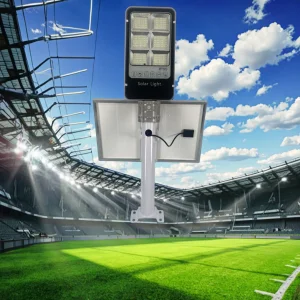
Looking ahead, the outdoor high-power lighting sector is evolving past standard energy savings. The next phase focuses on ecological integration. New Zealand boasts some of the most sensitive dark-sky habitats in the world, including the Aoraki Mackenzie International Dark Sky Reserve and Stewart Island/Rakiura. Excessive blue light emission and upward light spill disturb native wildlife and compromise astronomy research.
Guangdong Habel is leading the way by developing luminaires that emit minimal short-wavelength blue light (CCT profiles at or below 3000K for sensitive locations) and zero upward light output when mounted horizontally. Our engineering team uses precision ray-tracing software to limit beam spill. This delivers high uniformity on playing fields while leaving the night sky completely dark.
We are also working on integrating IoT smart nodes. Using standardized NEMA 7-pin interfaces or Zhaga receptacles, municipal authorities can update and monitor single lights or complete networks remotely. These systems measure real-time power draw, predict component failures before they happen, and dim lights automatically based on local weather conditions.
Request customized DIALux simulations, pricing sheets, and compliance certificates tailored to your local site requirements. Speak with our engineering team today.
Send Inquiry Now Habel Lighting