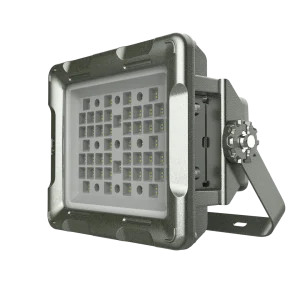
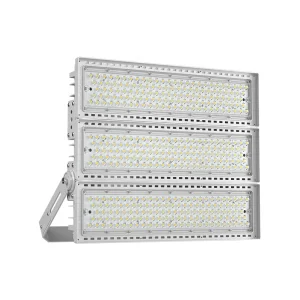
High-efficiency luminaire systems engineered with robust thermal management and extreme ingress protection, matching the unique regulatory and climatic requirements of Luzon, Visayas, and Mindanao industrial plants.
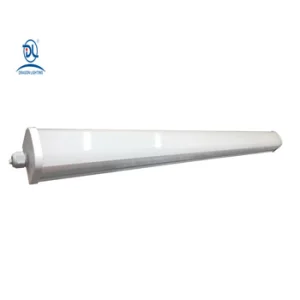
As the Philippines continues its industrial expansion across sectors like energy development, petroleum refining, mining, and food manufacturing, compliance with strict safety directives has transitioned from a basic operational guideline to an absolute regulatory imperative. The Department of Energy (DOE) along with the Bureau of Fire Protection (BFP) enforce strict occupational safety frameworks to eliminate potential ignition sources in zones containing flammable vapors, combustible dusts, or volatile liquids.
Key economic hubs such as Batangas and Bataan host massive petroleum refining facilities and liquid fuel depots. Under these high-temperature, saline-heavy environments, standard electrical components deteriorate rapidly, raising the risk of catastrophic electrical spark ignitions. Class I, Division 1 and 2 fixtures are required to isolate electrical arcs from volatile external gases.
From nickel extraction in Caraga (Surigao) to copper mines in the Cordillera regions, processing plants deal with highly combustible coal or sulfide dusts. Under the Philippine Mine Safety and Health Standards, lighting fixtures must feature Zone 21 and Zone 22 dust-ignition-proof certifications to ensure operations remain safe under extreme subterranean load environments.
Being an archipelagic nation, the Philippines relies heavily on marine transport and coastal bulk storage. Coastal fuel depots and chemical transport vessels operating in Manila Bay or Cebu Port face constant salt-spray exposure. This demands marine-certified, anti-corrosive explosion-proof LED fixtures capable of resisting electrochemical oxidation (rust) while preventing spark escapes.
Established in 2010, Guangdong Habel Lighting Co., Ltd. stands as a premier developer, manufacturer, and global exporter of high-integrity, energy-efficient commercial and industrial LED systems. We specialize in ruggedized, hazardous-area certified lighting fixtures tailored for demanding international environments. Over more than 13 years of technical evolution, we have established a prominent global presence, acting as an essential OEM/ODM production partner for complex industrial projects.
Our core advantage resides in our powerful R&D engineering division. Every year, we introduce new thermal management and circuit protection designs that tackle the most common failure modes of industrial LEDs: high ambient operating temperatures and voltage spikes. By strictly adhering to international safety methodologies, we ensure our global partners always receive high-performance lighting solutions built for longevity.
Habel's leadership across R&D, quality verification, processing, and distribution average over 5 to 10 years of specialized experience in solid-state lighting manufacturing. This core capability enables us to rapidly develop bespoke variations for Philippine EPC contractors, electrical consultants, and procurement managers seeking specific design criteria, custom mounting options, or localized electrical configurations.
Years of R&D Excellence
Countries Serviced Globally
BFP & PEC Compliance Ready
QC Inspection Veteran Lead
Habel operates a vertically integrated factory. We maintain an extensive raw material inventory including die-cast aluminum alloys, high-efficiency copper heat pipes, MeanWell/Sosen driver chips, and high-performance SMD LED packages. This minimizes lead times, stabilizes pricing against market volatility, and ensures uninterrupted production schedules for large infrastructure bids in the Philippines.
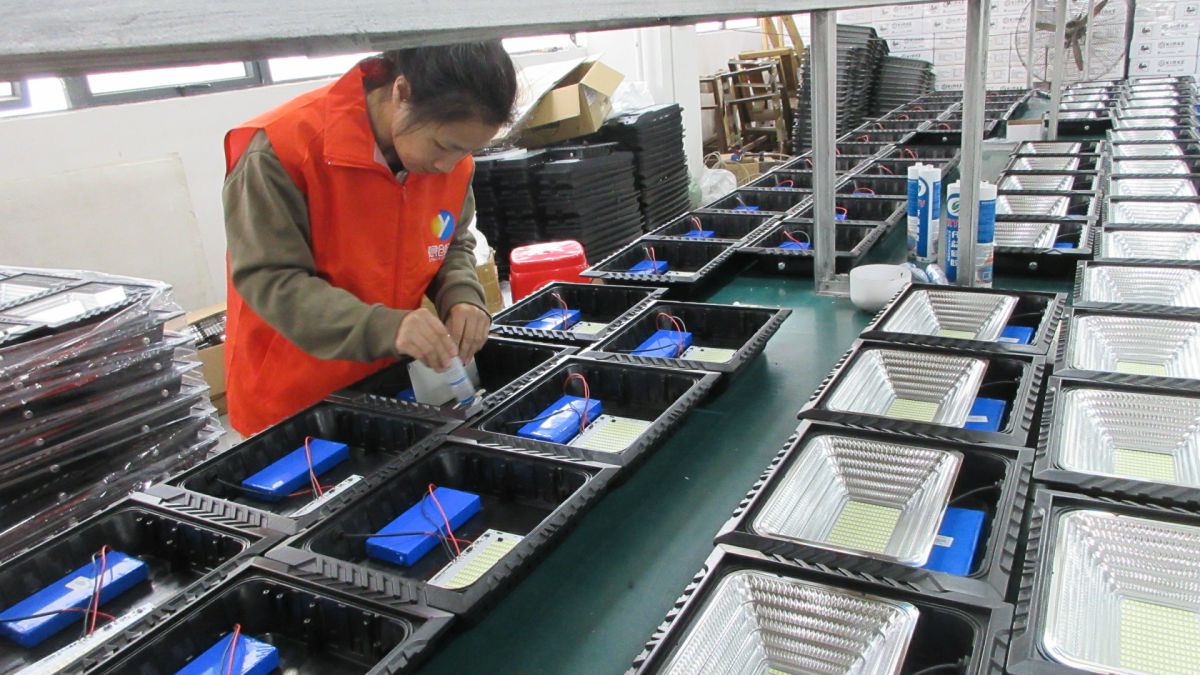 Glue Seal Application
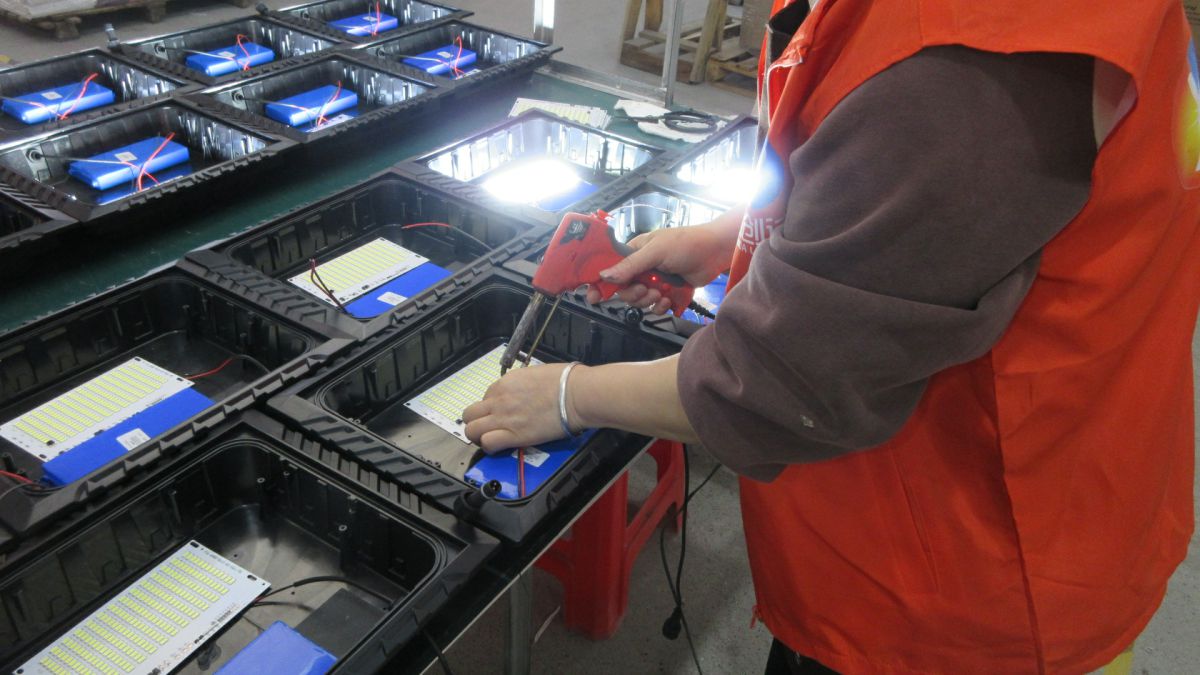 Precision Component Welding
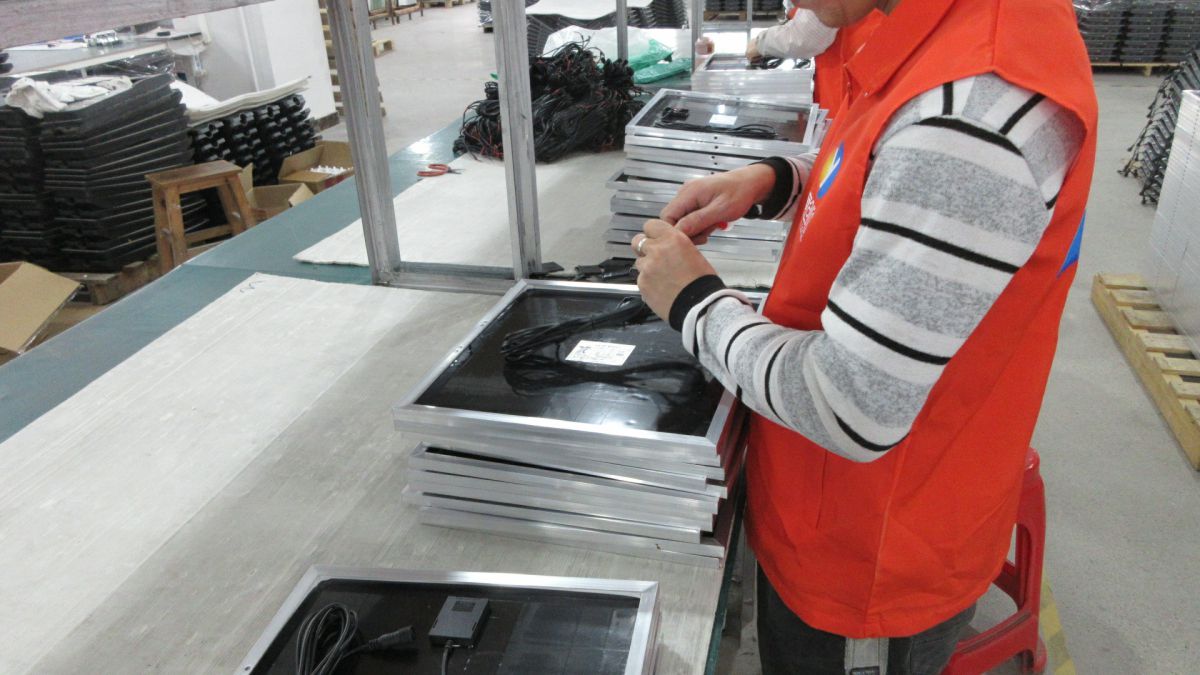 Final Product Assembly
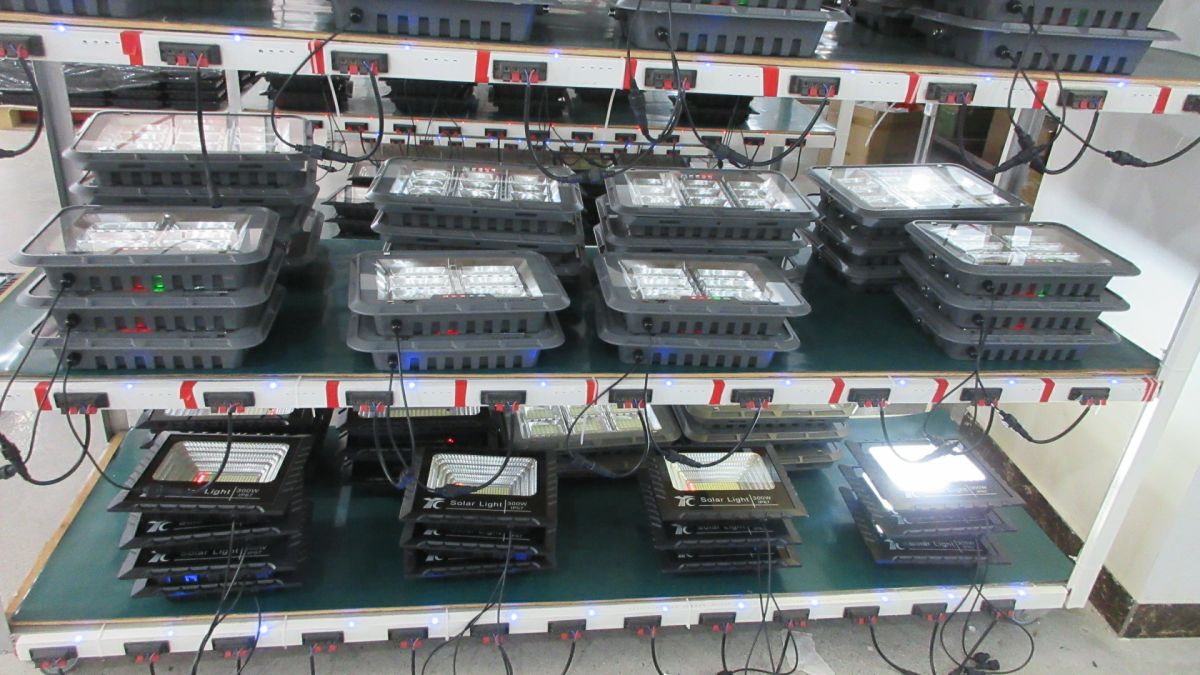 Multi-Point QC Inspection
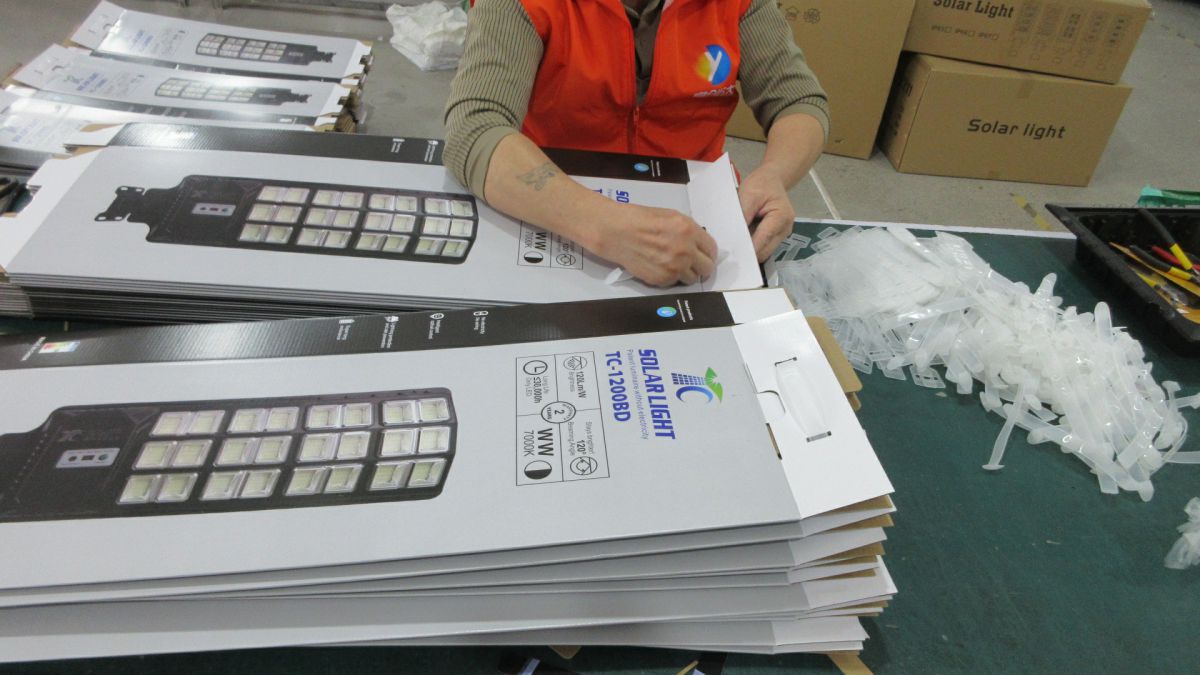 Secure Packaging Line
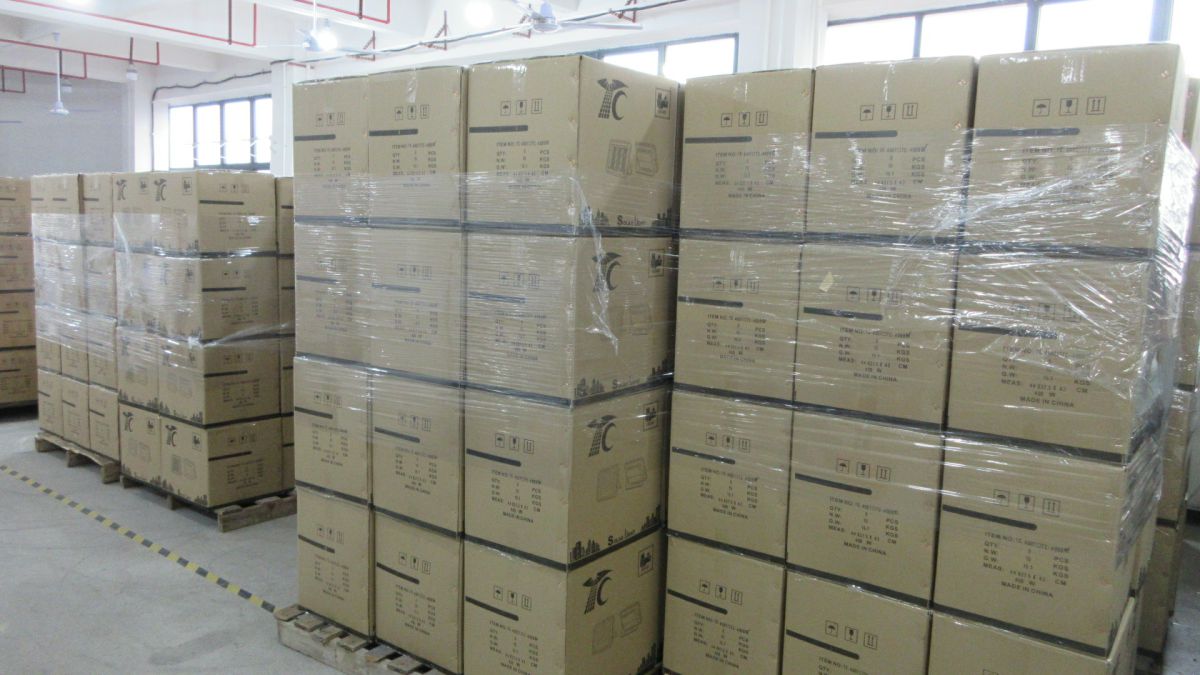 Organized Warehouse Logistics
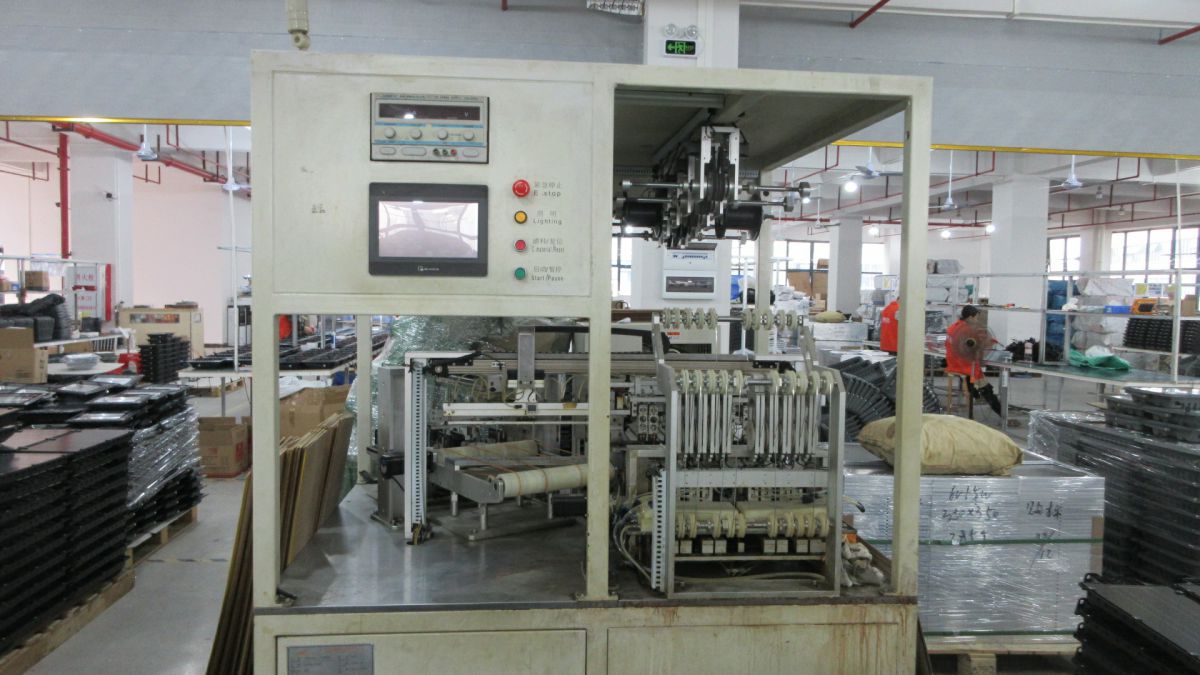
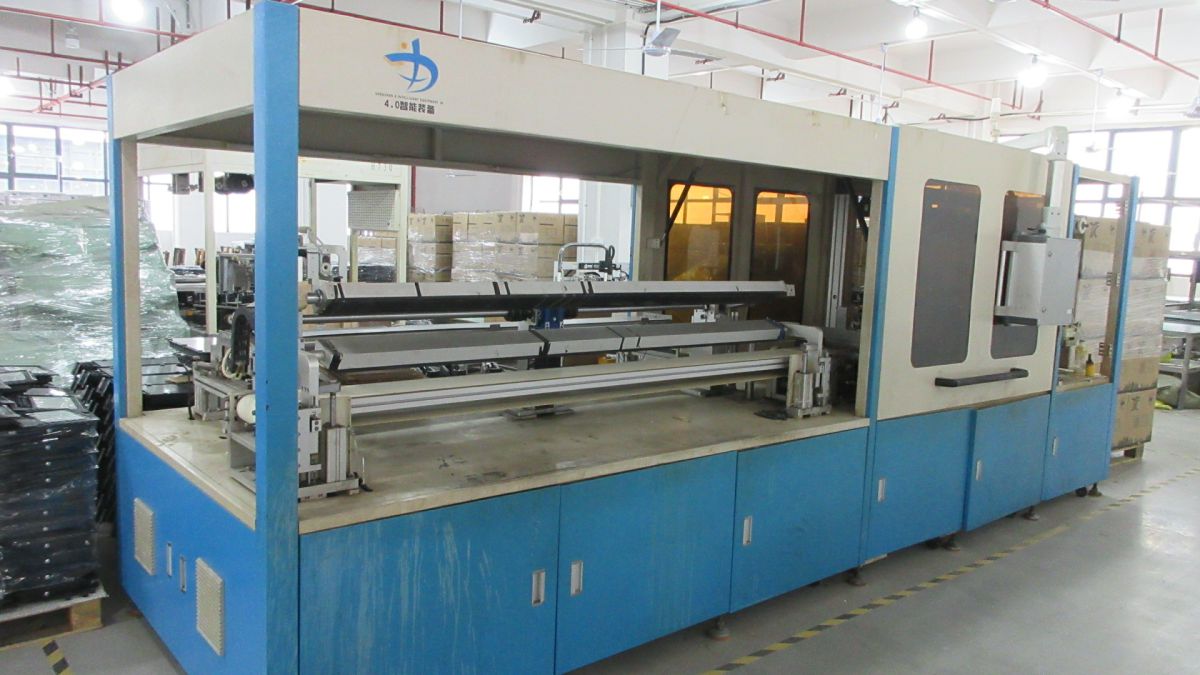 Solar Panel Welding Line 1
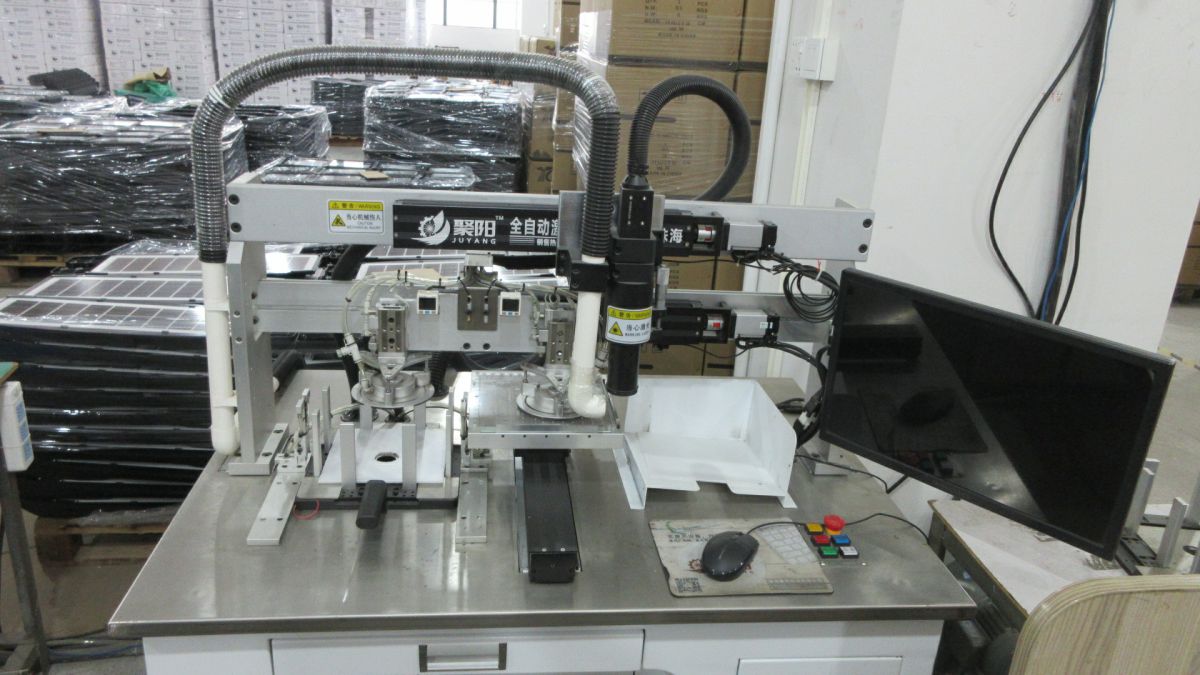
 Solar Panel Welding Line 2
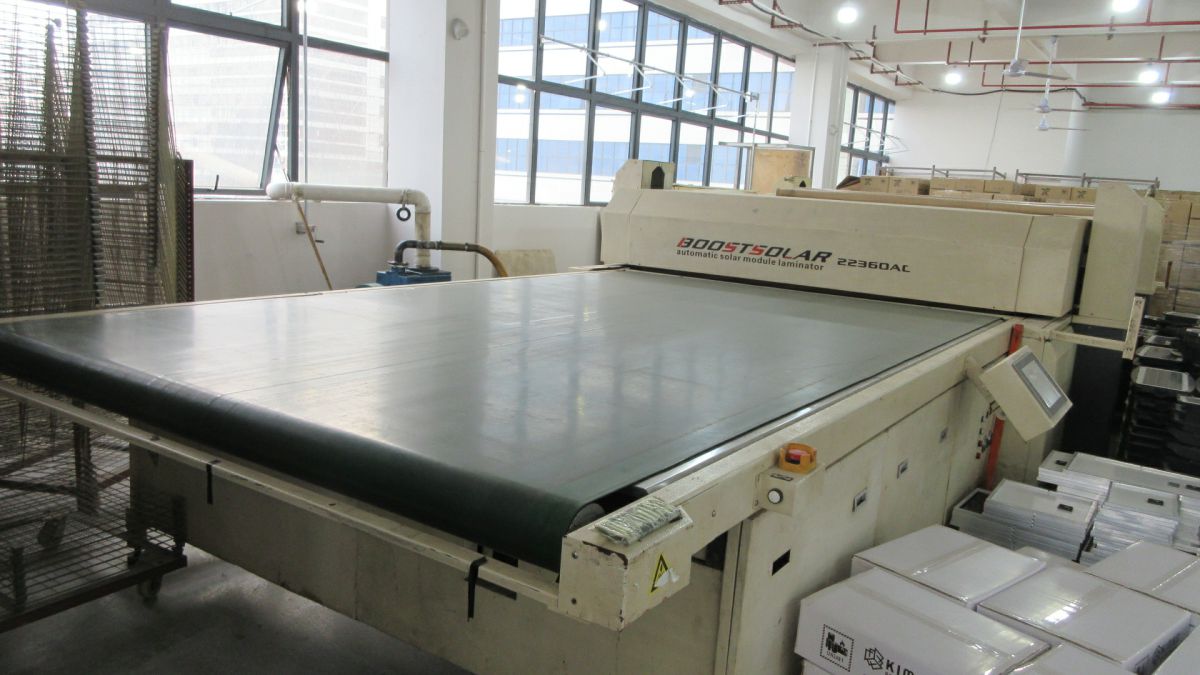
 Solar Panel CNC Cutting
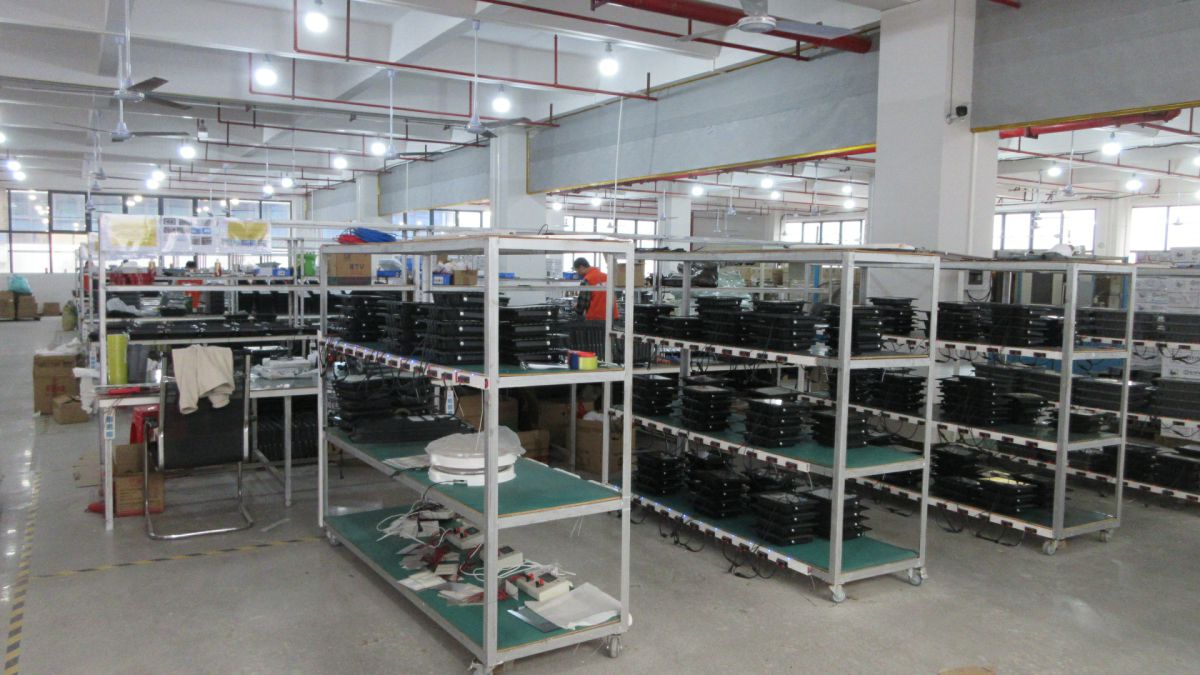
 Pneumatic Press Station
 High-Load Life Test Table
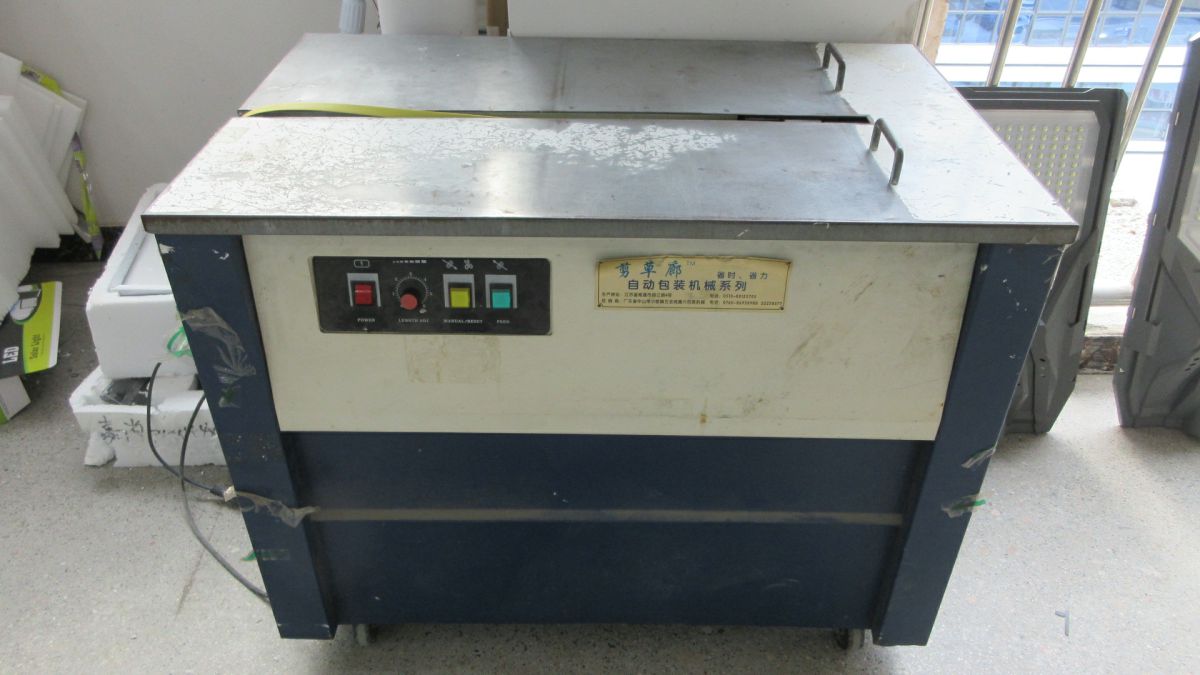 Automated Packaging Machine
Exporting to the Philippines involves solving specific environmental challenges. Standard LED designs fail prematurely when exposed to the high humidity and high temperatures common to Southeast Asia. Habel's engineering department has custom-configured its explosion-proof fixtures with three key physical upgrades to ensure operation in these conditions:
| Environmental Challenge | Common Failure Mode | Guangdong Habel Engineering Solution | Philippine Site Relevance |
|---|---|---|---|
| Extreme Relative Humidity (up to 95%) | Condensation buildup inside the glass tube or driver housing, leading to short circuits. | Dual-layer silicone gasket rings, IP66/IP68 certification, and specialized pressure release breathing valves. | Coastal facilities in Davao and Batangas. |
| High Saline Air Density | Corrosive pitting of aluminum casings, degrading physical structural integrity over time. | Copper-free die-cast aluminum alloys treated with outdoor-grade electrostatic polyester powder coating. | Offshore oil and gas terminals, shipyards, marine logistics depots. |
| Unstable Utility Power Grids | Frequent grid transients, under-voltage, and lightning surges damaging driver circuits. | Robust integrated 10kV / 20kV surge protection devices (SPD) paired with isolated MeanWell or Sosen drivers. | Provincial industrial processing areas and isolated mining zones. |
| Combustible Ambient Dust | Layering of fine dusts on housing causing thermal choking and ignition of external dust. | Finned, dust-shedding housing design keeping structural surface temperatures under T-rating limits (T6/T5). | Sugar mills in Negros, flour mills, and cement facilities in Cebu. |
Our quality control managers oversee exhaustive inspection procedures for every batch. This includes initial raw material verification, optical flux inspections, and a continuous 48-hour burn-in phase under load. Any deviations are quickly documented and addressed via corrective root-cause analyses, ensuring that no substandard hardware reaches your installation site.
As the Philippine Department of Energy pushes for greater energy efficiency and grid independence, industrial facilities must upgrade to next-generation technologies. Habel is focusing its R&D efforts on key integration milestones:
Integrating wireless mesh control standards (such as Zigbee and LoRaWAN) into explosion-proof fixtures. This allows operators to automatically dim unused warehouse zones, schedule off-peak runtime hours, and run centralized remote diagnostic sweeps to monitor system status without manual intervention.
Using solar cells and battery storage to power hazardous-area lighting systems. Using the solar manufacturing machinery shown above, Habel develops self-sufficient explosion-proof solar streetlights and perimeter wall packs, ensuring secure illumination during grid interruptions or typhoon emergencies.
Our engineering division addresses common regulatory, certification, and application questions asked by engineering procurement contractors (EPC) in the Philippines:
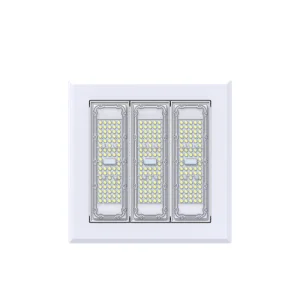
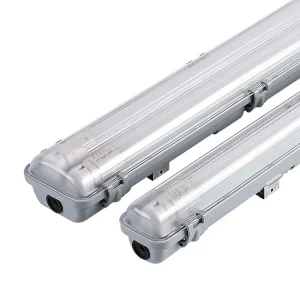
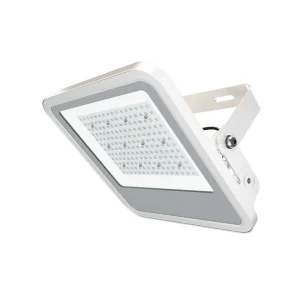
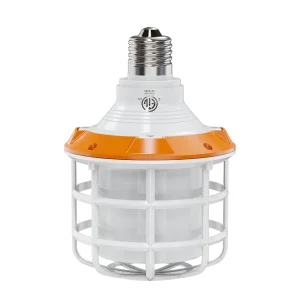
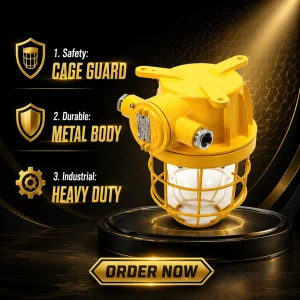
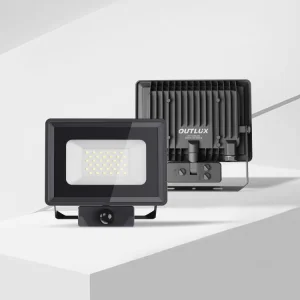
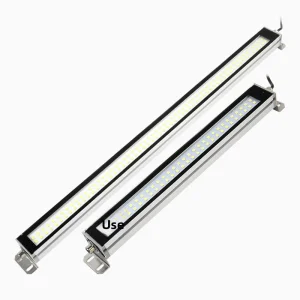
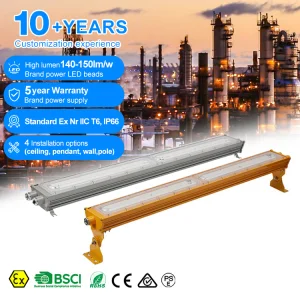
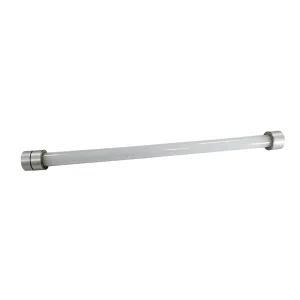
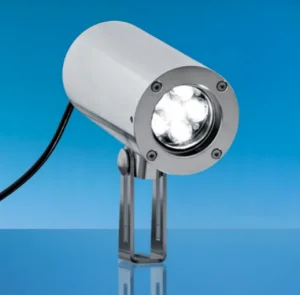
Browse our extensive selection of industrial explosion-proof linear, highbay, marine, emergency, and heavy floodlight systems tailored to the safety codes of the Philippine market.
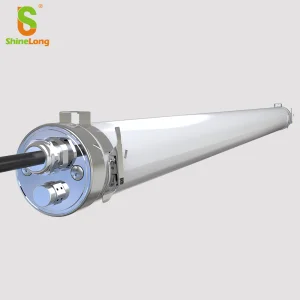
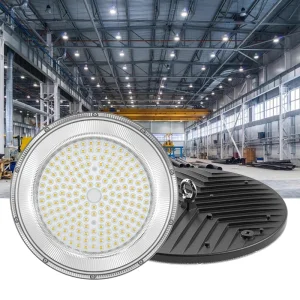
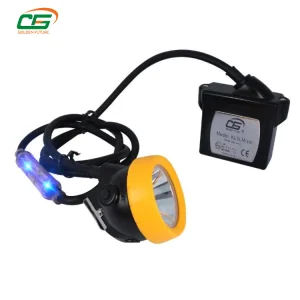
Ensure full compliance with PEC requirements and BFP safety guidelines. Reach out to our design team for custom engineering consultations, photometric analysis reports, and wholesale cost estimates tailored to your project.
Send Inquiry Now Habel Lighting