Engineered for extreme performance, compliance, and significant energy savings under demanding Australian conditions.
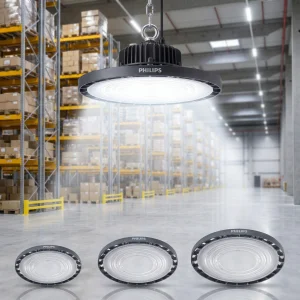
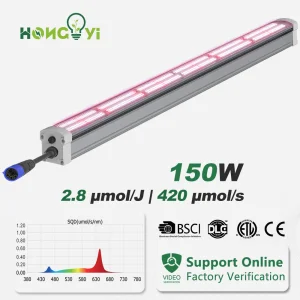
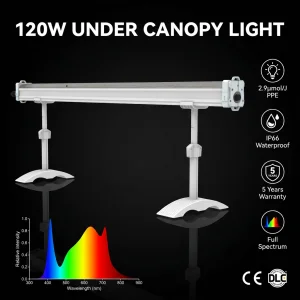
Sydney, the industrial and commercial heart of New South Wales, is currently undergoing an unprecedented transition towards environmental sustainability. Backed by the NSW Government’s Net Zero Plan Stage 1, local businesses face increasingly strict regulations to cut greenhouse gas emissions. In this context, lighting is recognized as one of the lowest-hanging fruits for energy reduction. Traditional metal halide and high-pressure sodium canopy systems—common in petrol stations, logistics nodes, and loading bays—are rapidly being phased out due to their high power draw, slow warm-up times, and constant maintenance cycles.
Operating in the Sydney coastal and harbor zones places specialized demands on luminaires. High humidity, salt-spray environments, and extreme summer temperatures (reaching above 45°C in Western Sydney hubs like Penrith and Blacktown) will quickly cause standard fixtures to degrade. Sydney industrial operations require heavy-duty canopy lighting equipped with superior heat dissipation, marine-grade anti-corrosion protection, and high ingress protection (IP65/IP66) ratings to guarantee long-term stability.
Sydney Climate Resilience Requirements:
Luminaires installed in coastal areas of NSW require robust powder coating to resist electrochemical oxidation. Our heavy-duty canopy lights utilize specialized anti-corrosion finishes along with structural respirators (ventilation plugs) to prevent internal condensation caused by Sydney's rapid humidity fluctuations.
Under the NSW Energy Savings Scheme (ESS), upgrading to accredited LED systems allows businesses to generate Energy Savings Certificates (ESCs), significantly lowering the capital cost of transition. Importers and contractors serving Sydney’s logistics corridors must ensure their supply chains offer products built to satisfy these criteria:
Analyzing the macro-shifts in technology, standardizations, and horticultural applications worldwide.
Modern commercial canopies are no longer isolated light fixtures; they are nodes in a wider internet-of-things (IoT) ecosystem. With DALI-2 and Zigbee controls, municipal and private operators can track real-time power consumption, automate dimming intervals depending on local traffic flow, and receive automated diagnostic alerts when a unit needs service.
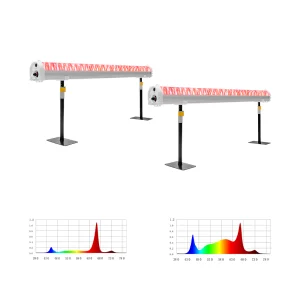
Under-canopy supplemental lighting has revolutionized commercial indoor farming and greenhouse crops globally. By targeting the lower leaves of high-wire plants (like tomatoes and cannabis) with custom red and far-red spectrums, growers achieve yield increases of up to 20-30% without changing their top-light footprint.
Driven by European and APAC eco-design initiatives, there is a global move away from non-serviceable, glued fixtures. Advanced canopy luminaires feature modular component arrangements, allowing fast, tool-free replacement of LED drivers and gear trays, thereby doubling the operational life of the aluminum chassis.
Different environments demand distinct light distribution patterns, safety compliance, and spectrums.
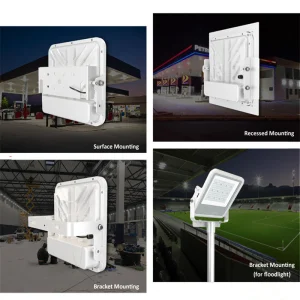
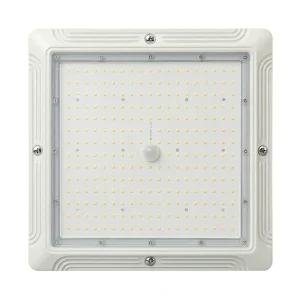
Under Australian Standard AS 1940 (The storage and handling of flammable and combustible liquids), petrol forecourts are classified as hazardous zones. Lighting systems must be intrinsically safe and seal-tight to prevent fuel vapor ingress. Recessed LED canopy lights must offer a clean, glare-free profile (UGR < 22) that maintains a uniform 150-200 lux floor illumination to provide safety, visibility, and security for refueling vehicles.
Western Sydney’s massive logistics corridors (including Kemps Creek, Badgerys Creek, and Eastern Creek) operate around the clock. Loading dock canopies demand high-impact structural resistance (IK08 to IK10) to withstand accidental bumps by large transport vehicles. Wide, asymmetric optics are required to throw light deep into truck trailers during loading, ensuring safety for forklift operators and warehouse workers.
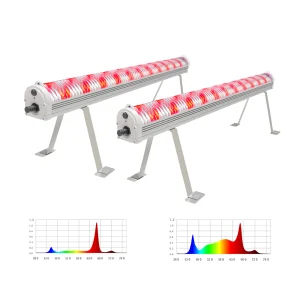
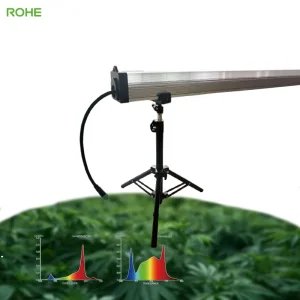
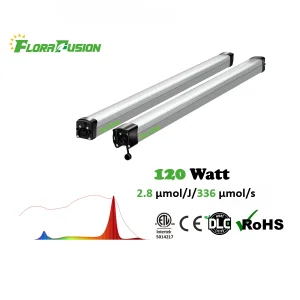
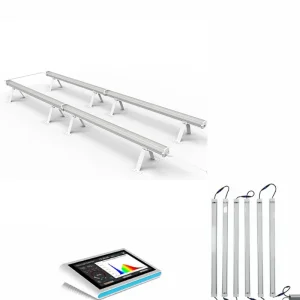
Agricultural facilities across rural NSW and suburban Sydney indoor farms utilize under-canopy grow lights to optimize yields. Standard overhead fixtures leave lower plant nodes starved for light. Waterproof, daisy-chained LED tubes placed directly in the plant canopy provide targeted 660nm deep red and 730nm far-red spectrums, triggering flowering responses and maximizing yield density per square meter.
Sydney municipal councils emphasize pedestrian safety. Under-awning canopy lights in shopping strips and train platforms require clean, vertical illumination to support CCTV cameras, deter crime, and provide a welcoming urban aesthetic. Fixtures must comply with AS/NZS 1158.3.1 (Pedestrian area lighting) to restrict spill light and minimize upward light pollution.
Verify which luminaire class is suited for your specific commercial application.
| Application Area | Required Certifications | IP / IK Rating | Recommended CCT / CRI | Optic Distributions |
|---|---|---|---|---|
| Petrol Station Forecourts | AS/NZS 60598, IECEX (where applicable) | IP65 minimum, IK08 | 4000K / 5000K, Ra > 80 | Symmetrical Wide / Flat Glass |
| Logistics Loading Docks | AS/NZS CISPR 15, CE | IP66, IK10 | 5000K, Ra > 70 | Asymmetrical Forward Throw |
| Horticulture (Under-Canopy) | RoHS, CE, IP66 testing | IP66, IK07 | Full Spectrum + Far Red | 120° Wide Beam Tube |
| Retail Awnings & Transport Hubs | AS/NZS 1158.3.1, Zhaga compatible | IP65, IK08 | 3000K / 4000K, Ra > 80 | Pedestrian Path Optics |
Established in 2010. Partnering with global distributors, contractors, and Sydney-based lighting suppliers to deliver high-reliability OEM/ODM solutions.
Guangdong Habel Lighting Co., Ltd. is a specialized manufacturer and exporter focused on high-performance LED indoor and outdoor lighting. Supported by an experienced R&D team and a dedicated quality management structure, we transform technical innovation into real-world energy-saving solutions. We design products to perform reliably in extreme coastal, agricultural, and industrial settings around the globe.
Our core competitive advantage is built on complete vertical integration. From precision automated welding and component assembly to strict QA inspection and comprehensive environmental chamber life-testing, we retain total control over the manufacturing process. This integration ensures our products satisfy international quality standards and remain cost-competitive in the Australian market.
Quality control is built directly into every stage of Habel Lighting’s production line. From incoming raw materials to final shipping container loading, our testing protocols verify that every LED driver, chip array, and aluminum housing meets exact standards.
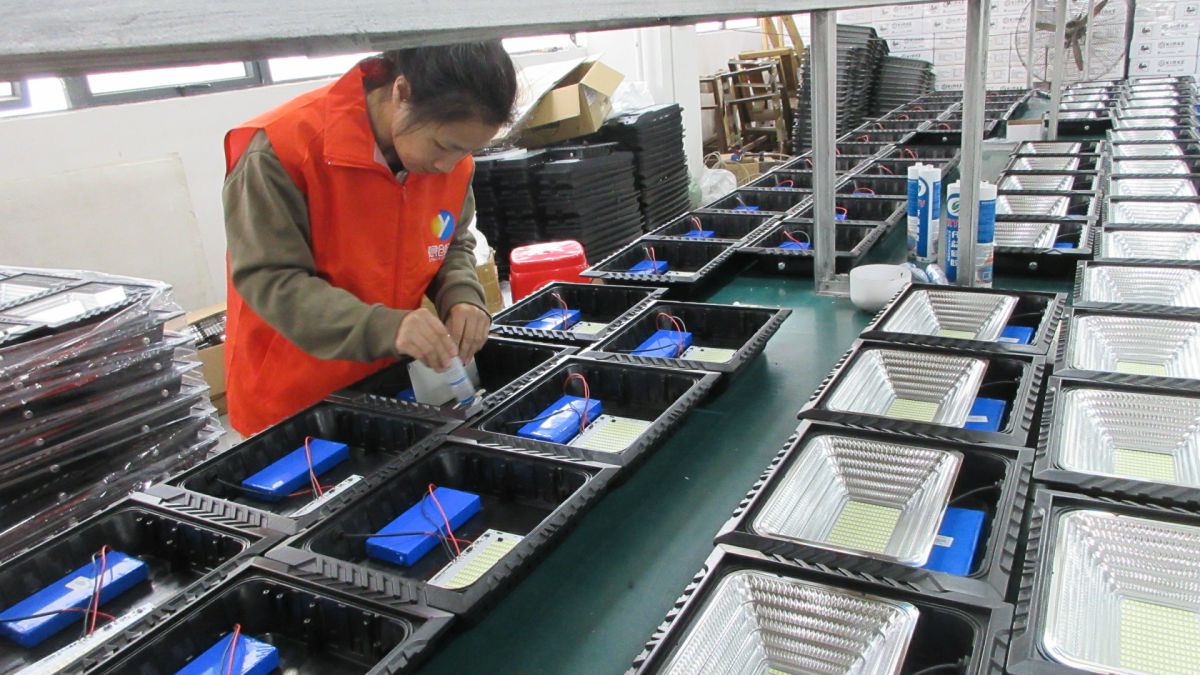 Step 1
High-precision automated glue dispensing ensures dust and water-tight structural seals.
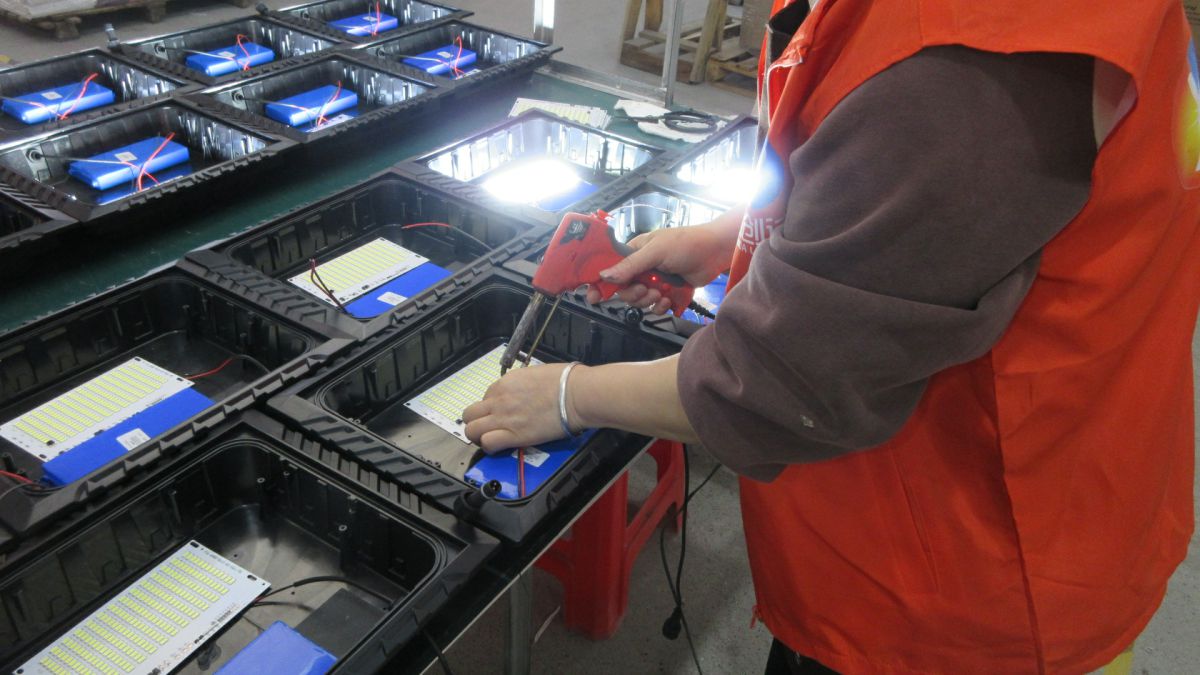 Step 2
Automated and manual assembly stages verify low-resistance, stable electric connections.
 Step 3
Clean, professional production lines assembly LED board layouts with the metal heatsinks.
 Step 4
Multi-point testing checking power draw, lumens, and isolation to guarantee field reliability.
 Step 5
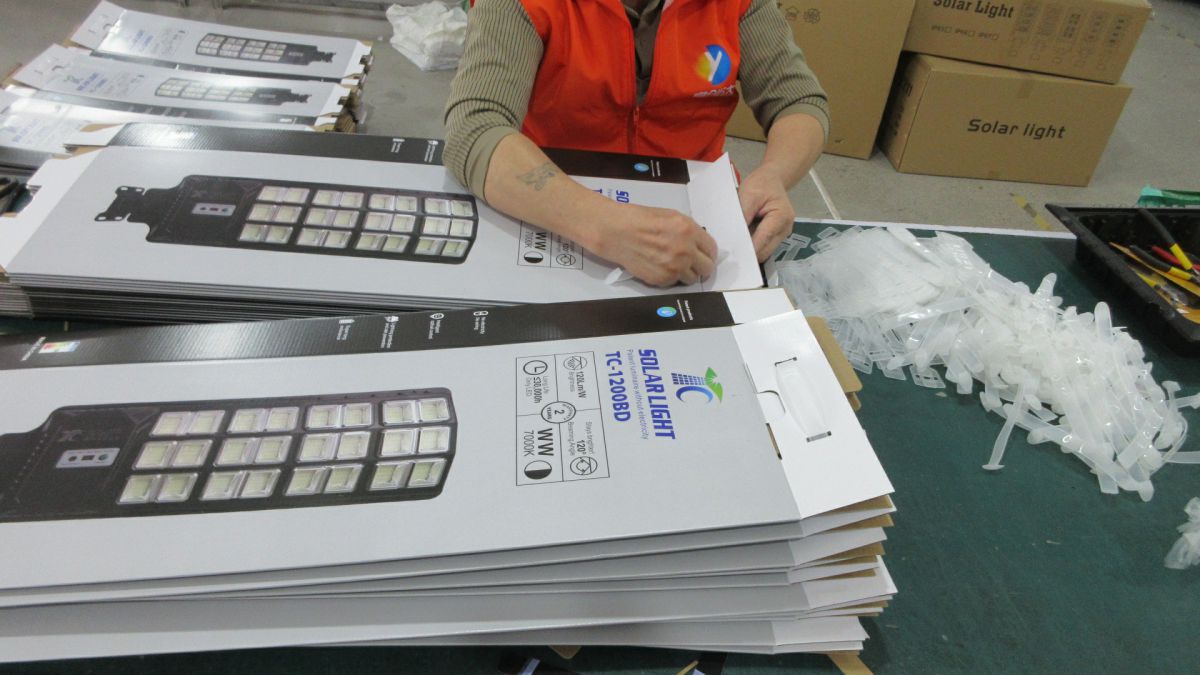
Heavy-duty export cartons designed to prevent transport damage during sea freight to Sydney.
 Step 6
Clean, dry storage facility housing raw components and finished products for fast order dispatches.
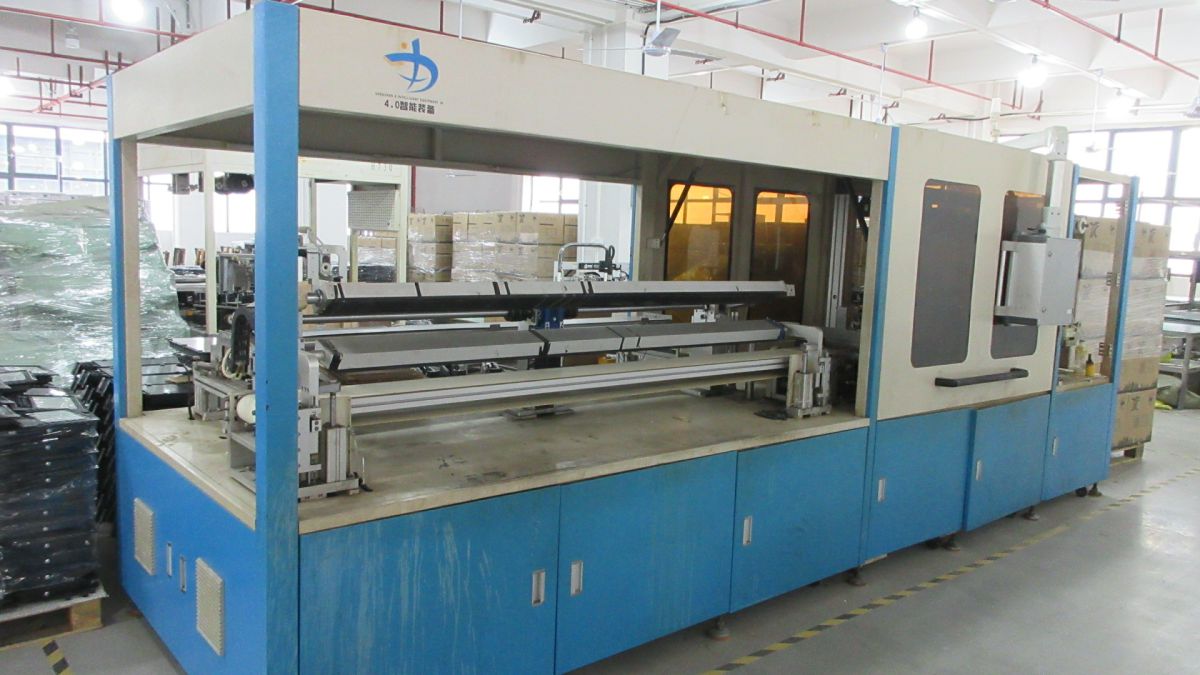 Step 7
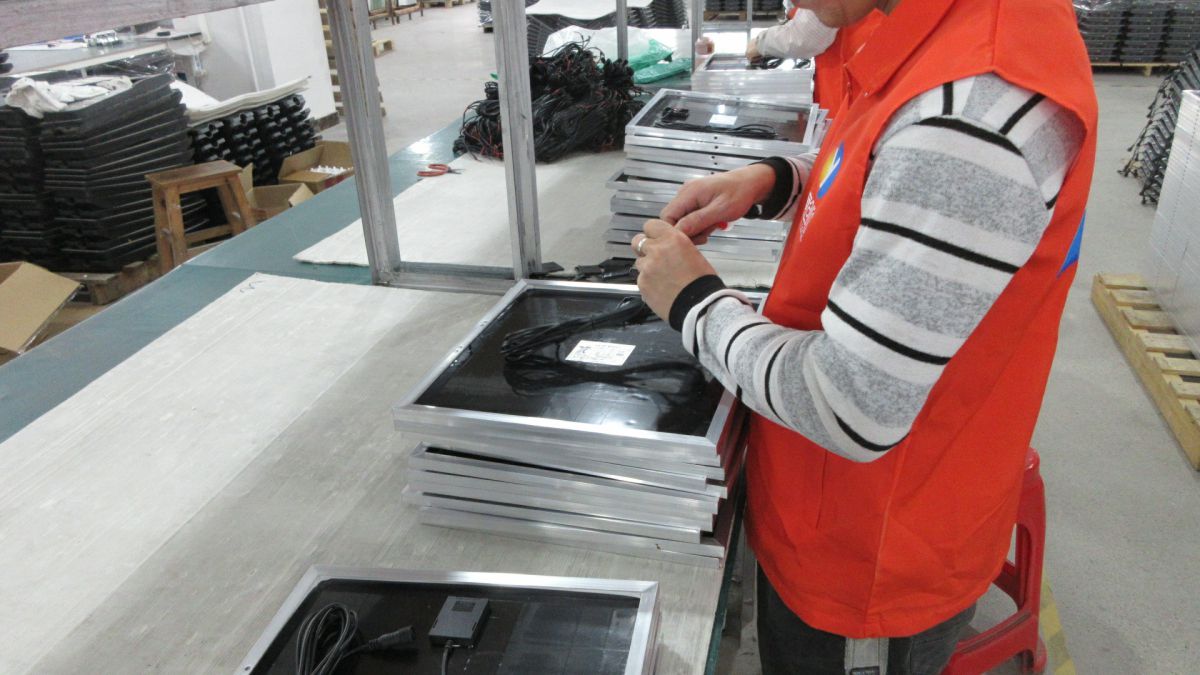
Automated equipment for manufacturing off-grid solar-powered canopy and outdoor luminaires.
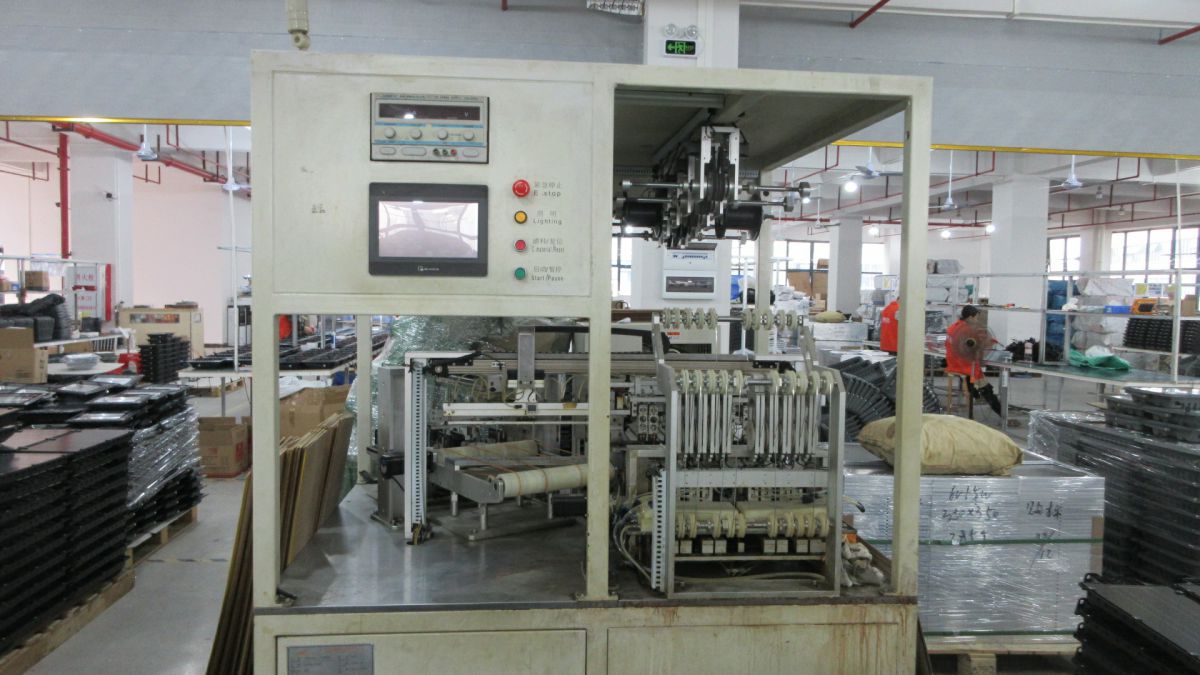 Step 8
Precision multi-busbar solder connection lines to maximize solar conversion efficiency.
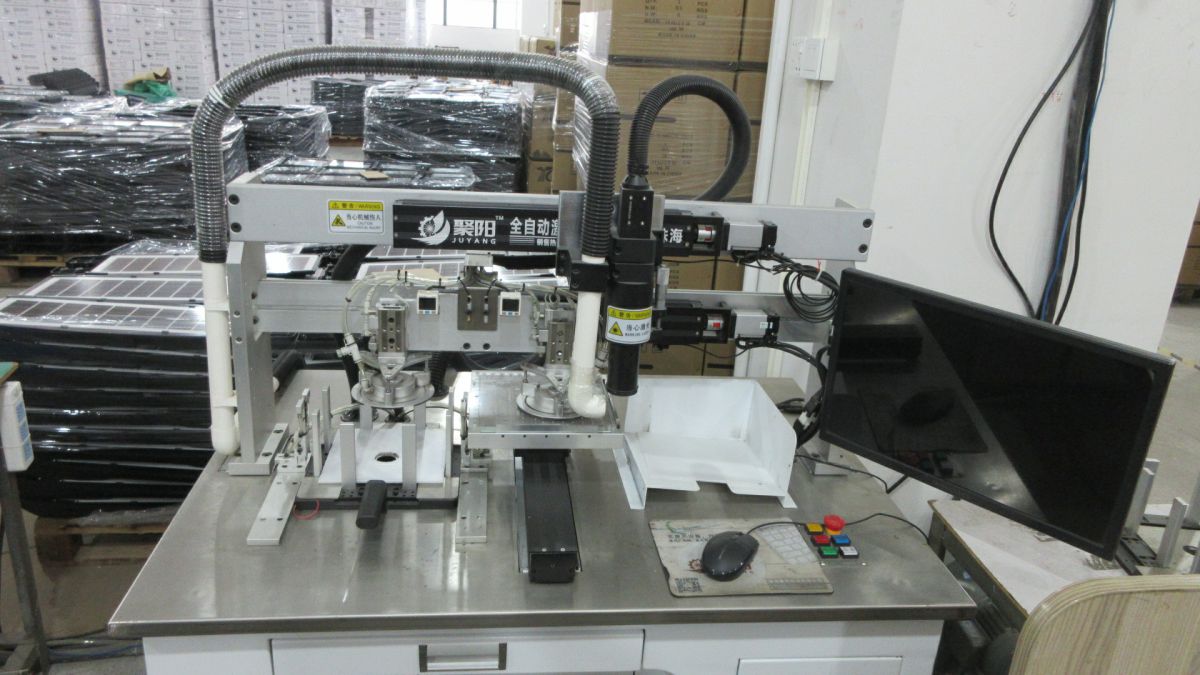 Step 9
Laser-guided sizing machines to cleanly cut silicon wafers with zero defect rates.
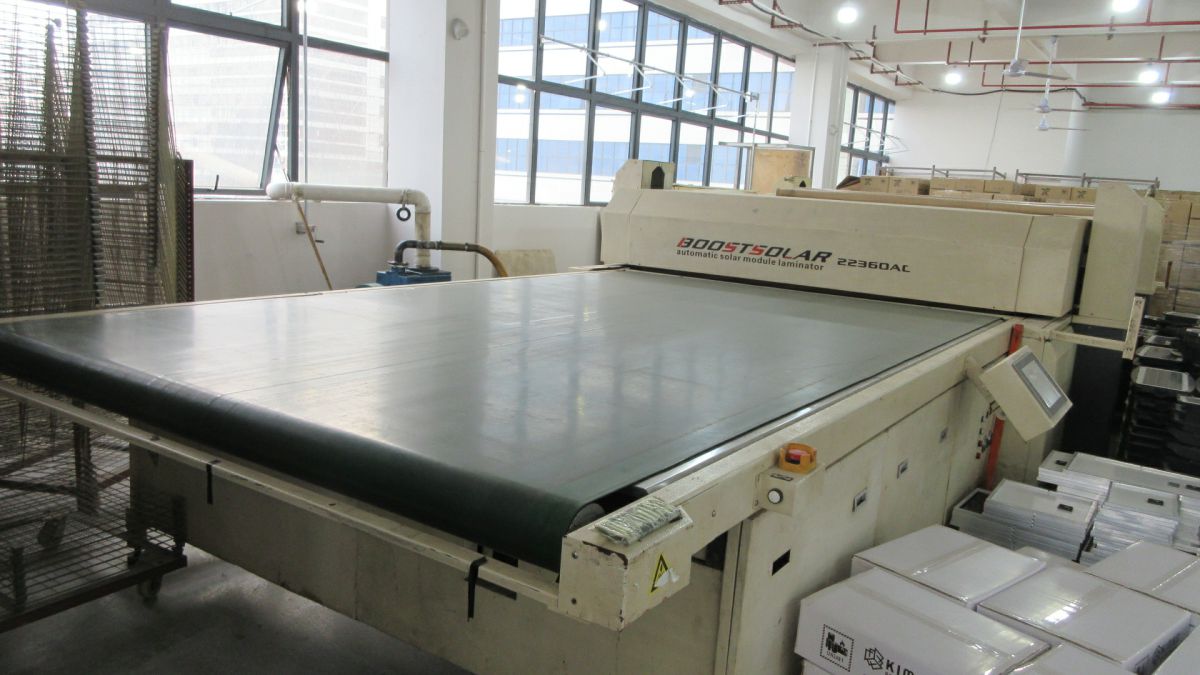 Step 10
Lamination machinery bonding protective glass and backing sheets for outdoor resilience.
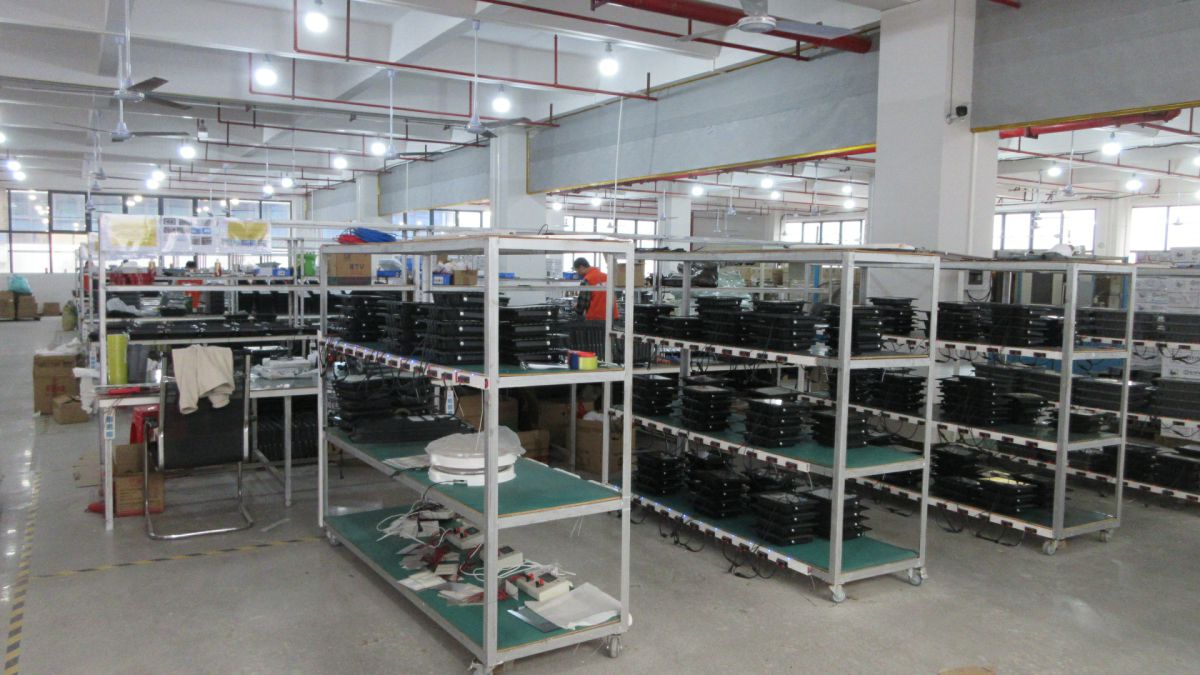 Step 11
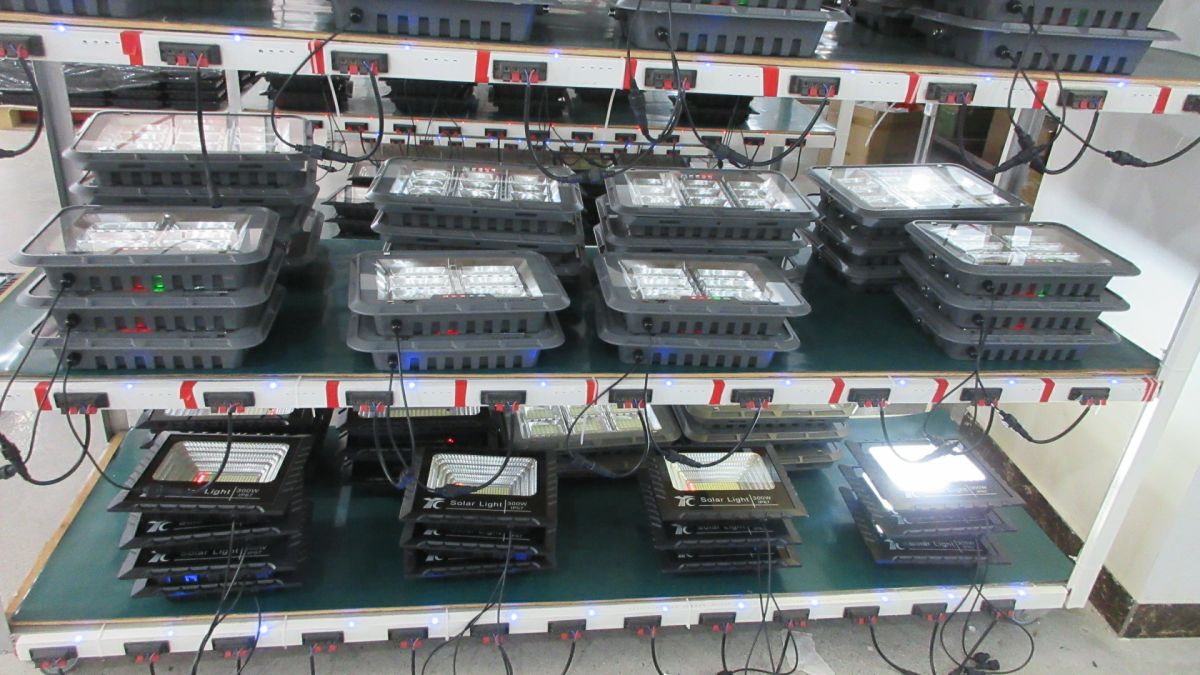
Continuous burn-in and cycling setups to simulate years of harsh operational environments.
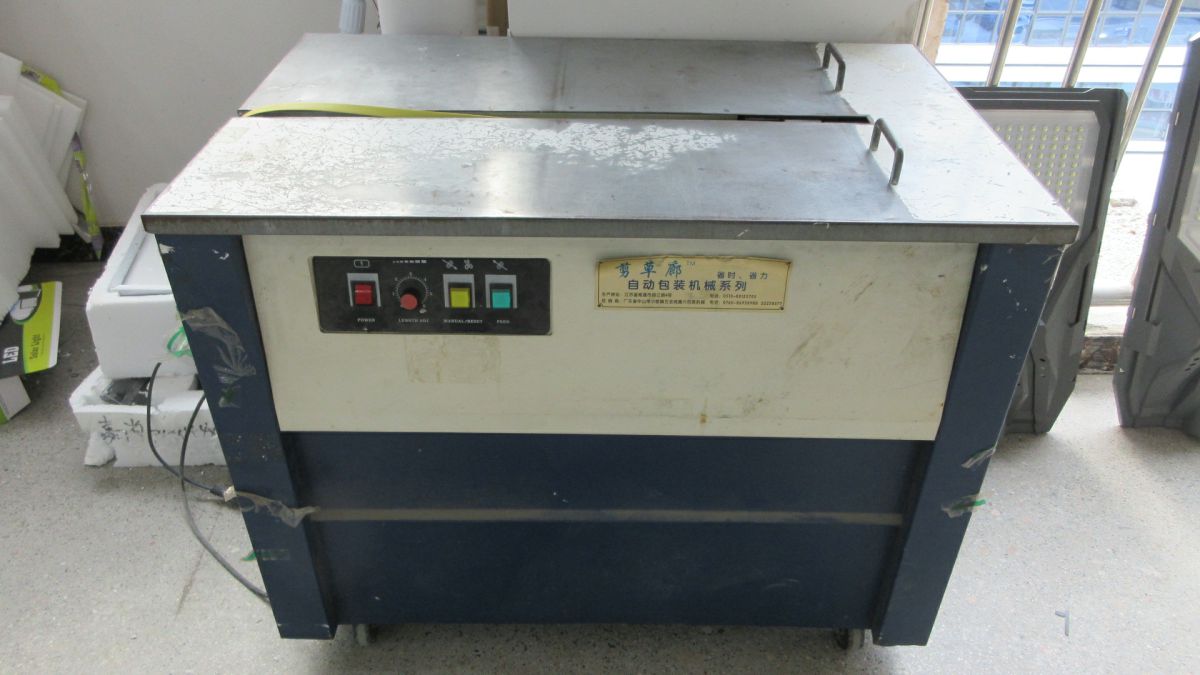 Step 12
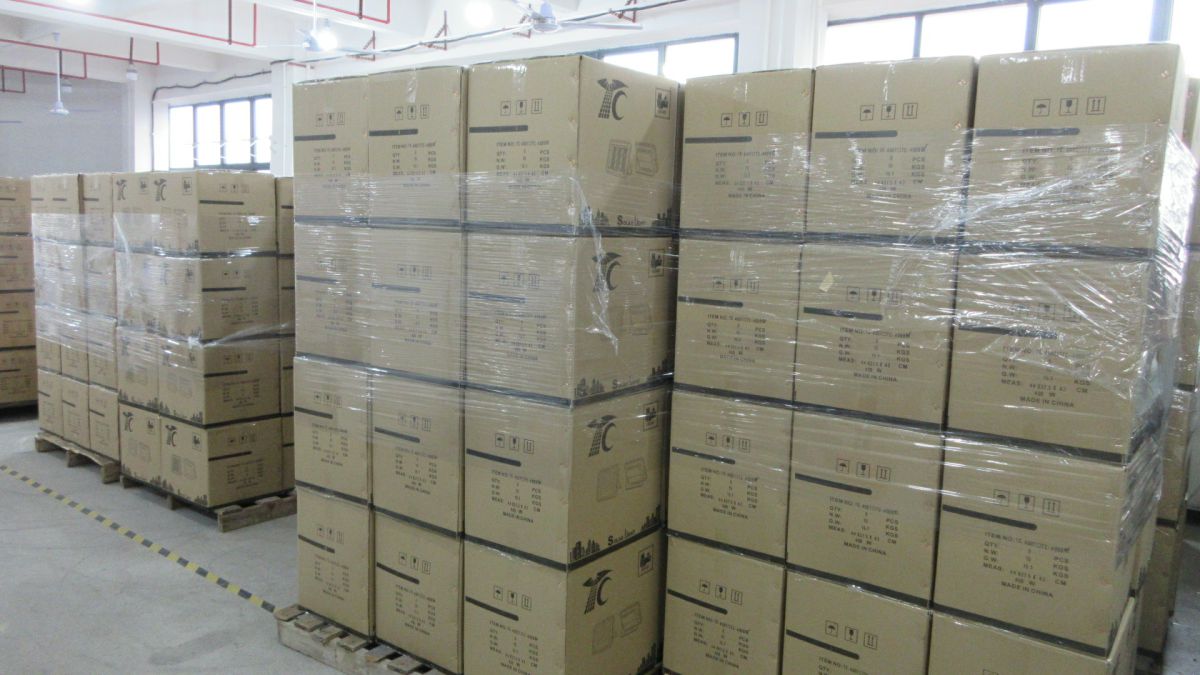
Pallet wrapping systems shielding bulk export cargo from logistics and moisture exposure.
Flexible form factors, portable lighting, and horticulture fixtures designed to expand your product catalog.
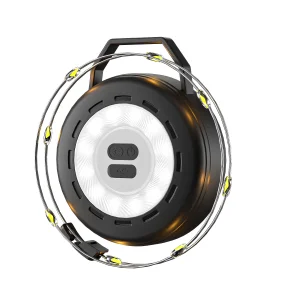
The lighting market is moving beyond simple luminaire efficacy. Our future engineering plans focus on merging advanced optics with local environmental management systems:
Lighting failures in petrol stations or loading docks present serious safety risks and can halt operations. To minimize these liabilities, our engineering division implements strict thermal management protocols. Operating LEDs at high currents generates excess heat; if this heat is not dissipated, it degrades the phosphor layers and reduces output.
We resolve this issue by utilizing heavy-duty die-cast aluminum alloys with high thermal conductivity. Our designs feature separate compartments for the LED driver and the diode array, preventing heat transfer between components. As a result, our canopy systems keep junction temperatures well below critical limits, ensuring long-term lumen maintenance and stable operation in Australia's hot summer conditions.
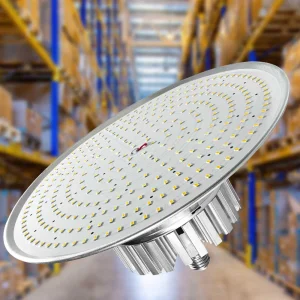
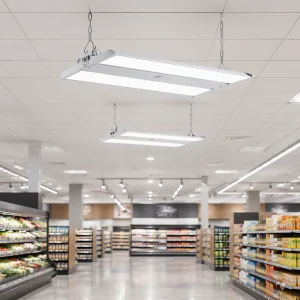
Explore our full catalog of canopy systems, grow panels, and linear lights, all available with custom OEM/ODM packaging options.
Common questions from lighting distributors, project engineers, and industrial contractors in Sydney.
We supply high-efficiency, AS/NZS-compliant canopy luminaires and grow lights for commercial projects and distribution networks in Sydney and across Australia. Contact us today for spec sheets, bulk pricing, or custom OEM configurations.
Send Inquiry Now Habel Lighting