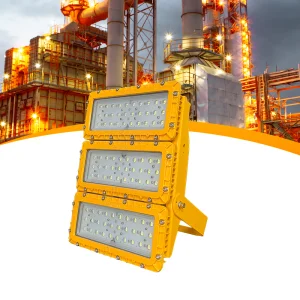
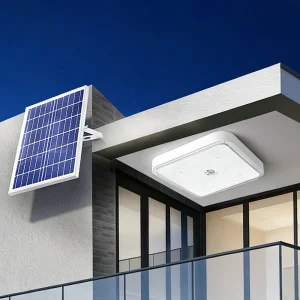
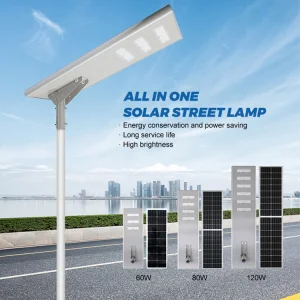
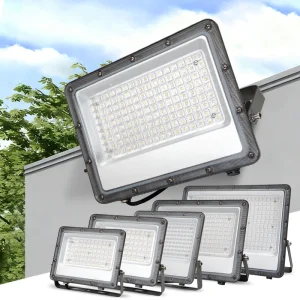
Engineered to meet the highest safety, efficiency, and environmental durability standards for industrial applications.
Years Industry Leadership
Solar Cell Conversion Rate
Automatic EL Testing
Global Export Destinations
An in-depth look at how photovoltaic architectural lighting is transitioning into smart IoT infrastructure.
The core of dynamic outdoor architectural lighting lies in spectral consistency. Traditional multicolor lights often struggle with color separation and drop-off. Modern solar multicolor systems utilize precise multi-chip RGBW or RGBWY (red, green, blue, white, amber) emitters combined with custom-engineered primary optics. By employing narrow-binning procedures and digital PWM (Pulse Width Modulation) drivers, manufacturers achieve smooth chromatic transitions and millions of calibrated color states. These modules maintain a high Color Rendering Index (CRI > 80) even when mixing complex pastels, ensuring outdoor public spaces retain natural hues while exhibiting vibrant accent illumination.
To power high-intensity, multi-channel lighting, the energy efficiency of solar modules has seen major advancements. Transitioning from standard polycrystalline cells, Tier-1 Chinese manufacturers utilize N-type Monocrystalline silicon cells featuring passivated emitter and rear cell (PERC) technology, reaching peak conversion efficiencies between 22.5% and 24.2%. These cells are coupled with Maximum Power Point Tracking (MPPT) charge controllers. Unlike traditional pulse-width modulation chargers, MPPT algorithmically tracks the panel’s optimal voltage-current characteristic curve under variable conditions (such as partial cloud cover or shading from vegetation), harvesting up to 30% more energy daily.
Lithium Iron Phosphate (LiFePO4) chemistry has become the global standard for industrial solar installations, replacing lead-acid and standard lithium ion batteries. LiFePO4 cells offer an exceptional life cycle, capable of performing over 3,000 deep discharge cycles (up to 80% Depth of Discharge) while maintaining 80% of original capacity. Crucially, the chemistry offers high thermal stability, minimizing the risk of thermal runaway in hot climates. Integration of smart Battery Management Systems (BMS) prevents overcharging, over-discharging, and protects against sub-zero temperature operations through optional internal heating coils, ensuring stable system runtimes in northern winters.
How global projects leverage Chinese high-volume advanced manufacturing for cost efficiency and sustainability.
Modern municipalities deploy connected solar multicolor fixtures as node systems. Operating via cellular LTE-M, LoRaWAN, or Bluetooth Mesh, these luminaires report energy statistics, receive real-time color schemes for public events, and automatically adjust output based on local weather conditions.
Architects require fixtures that blend seamlessly into nature while delivering impactful illumination. Customized optical profiles, glare shields, and precise beam spreads allow design firms to craft engaging, thematic environments without trenching for high-voltage cables.
High-volume commercial distributors benefit from modular designs. Standardizing the battery enclosure, photovoltaic panel bracket, and light engine configurations allows rapid field assembly, simplified spare parts inventories, and minimal installation overhead.
The global dominance of China’s solar multicolor light exporters stems from end-to-end supply chain integration. In regions like Guangdong, raw silicon extraction, wafer fabrication, LED packaging, driver assembly, and injection molding are located within close proximity. This geographic density reduces material transport costs and speeds up prototyping cycles. Modern "Factory 4.0" production lines incorporate automated solder paste inspection (SPI), automated optical inspection (AOI), and precise robotic testing arrays to minimize human error, maintaining PPM (parts per million) failure rates well below industry averages.
Explore our state-of-the-art manufacturing plant, featuring high-precision automated machinery and testing platforms.
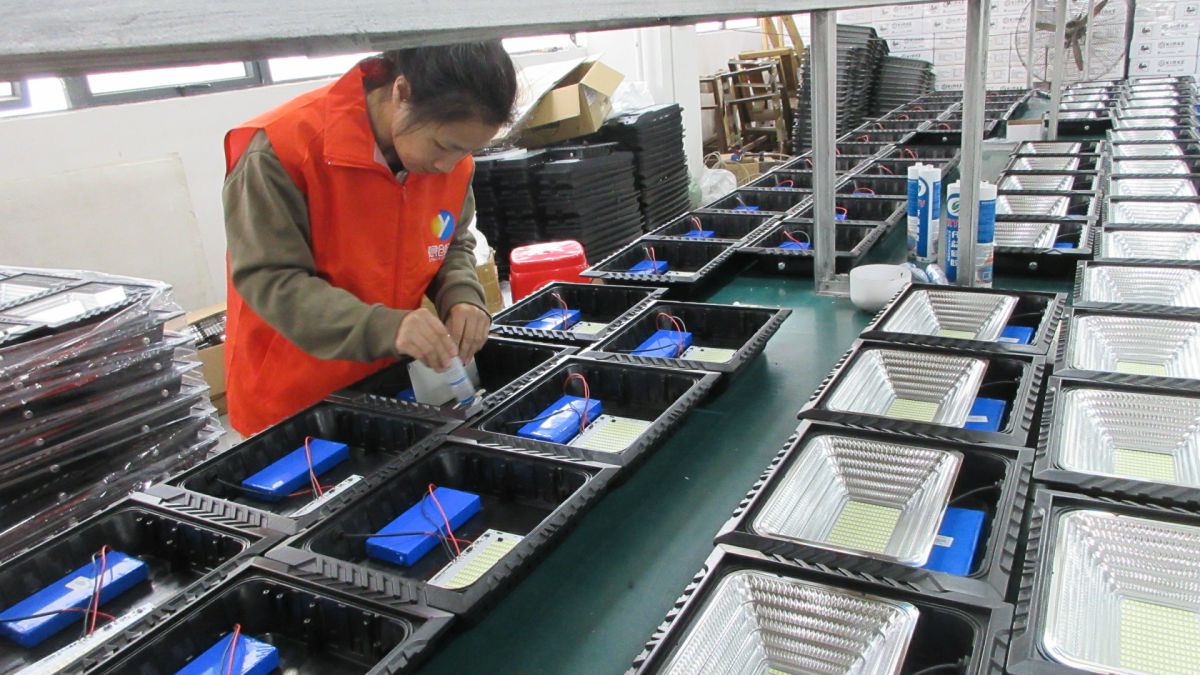 Glue
Glue
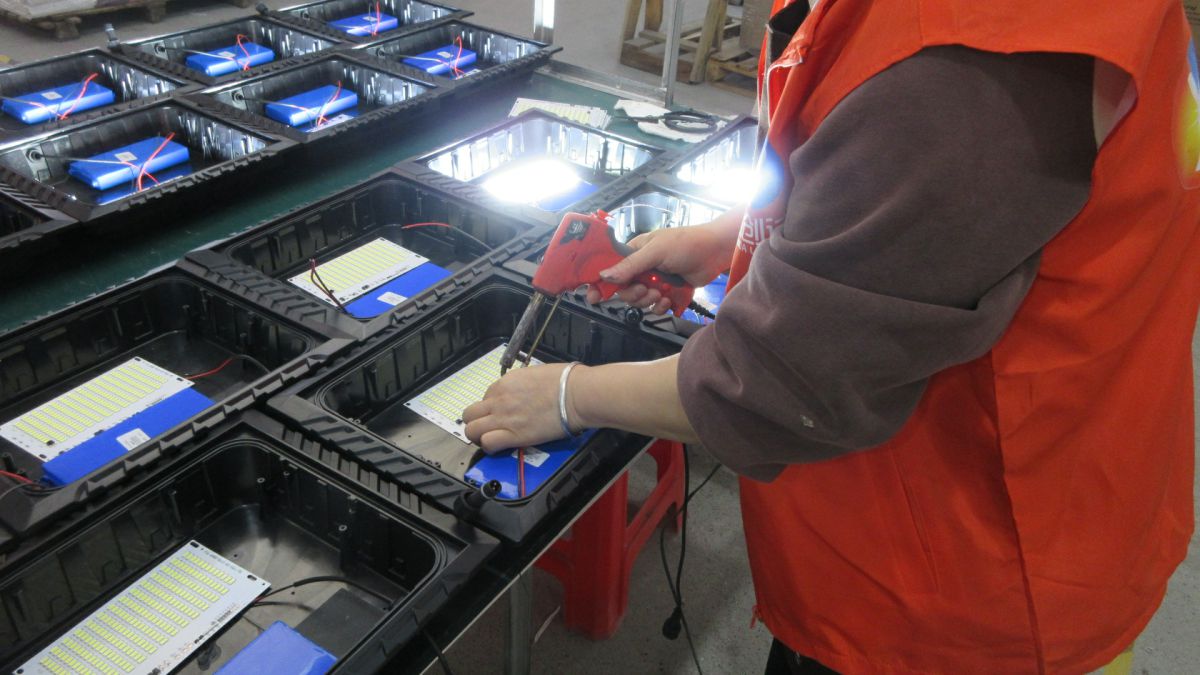 Welding
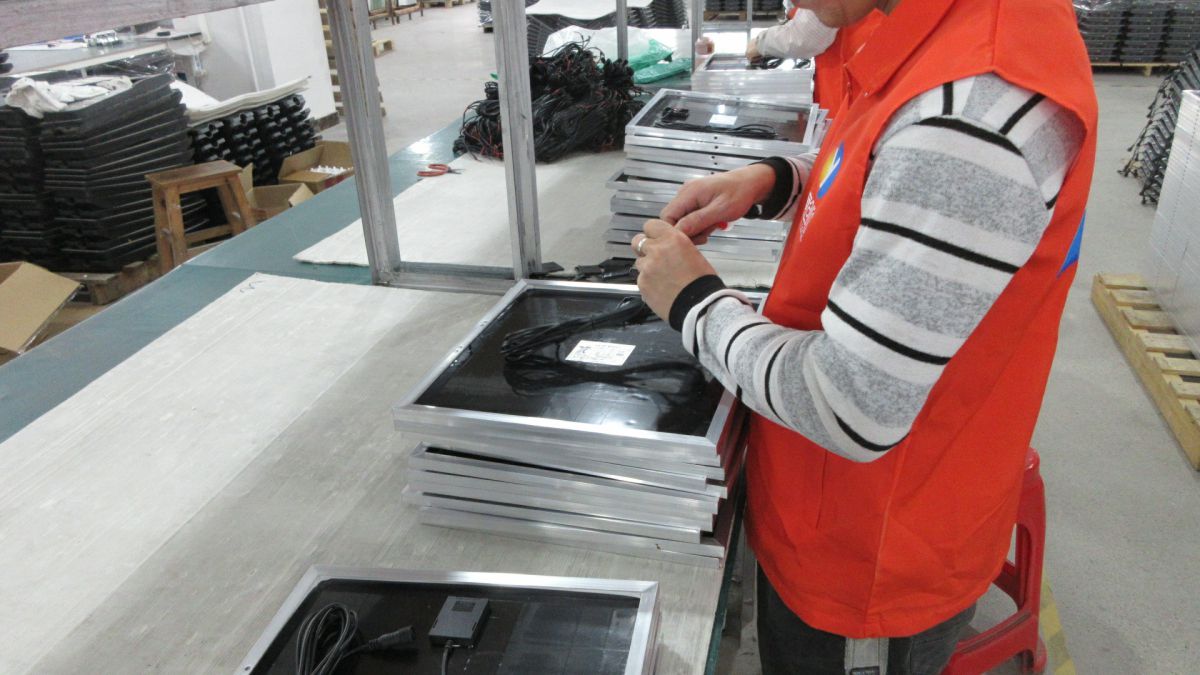 Assembly
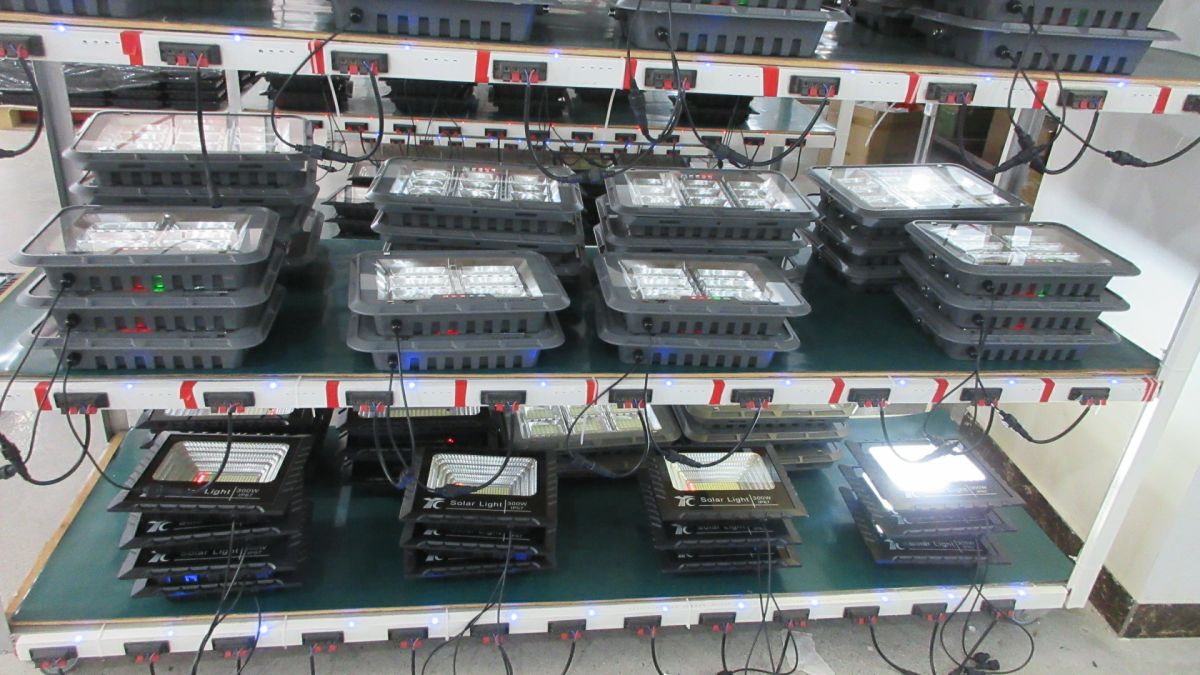 QC Inspection
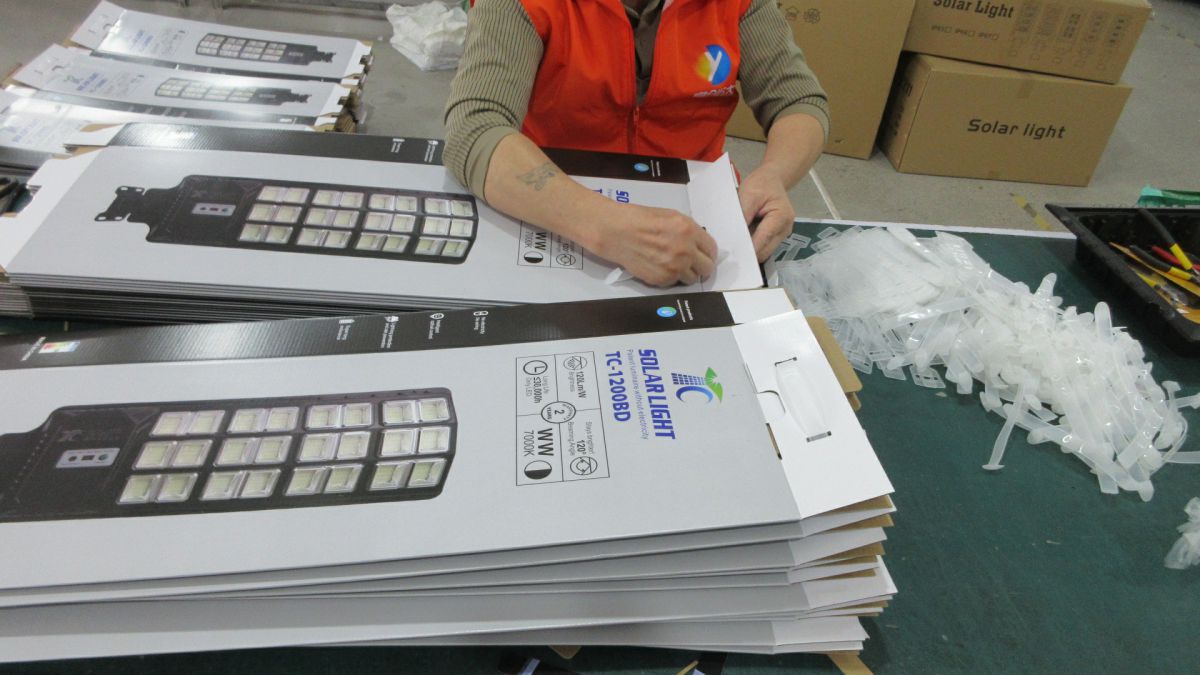 Packing
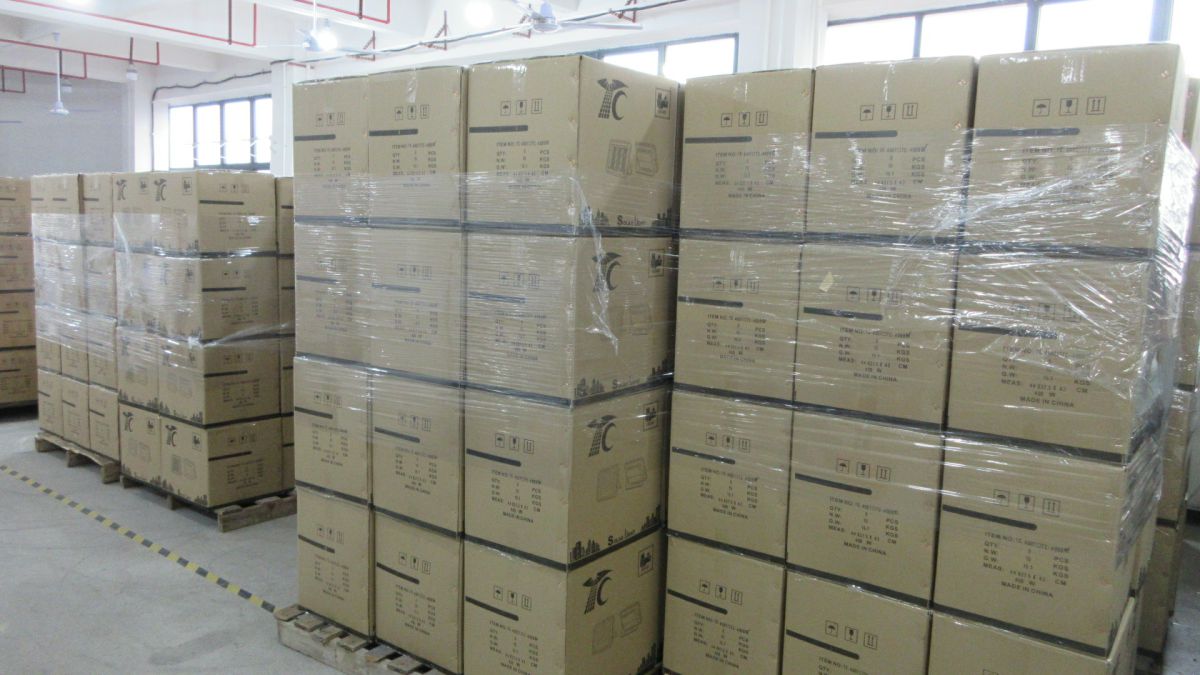 Warehouse
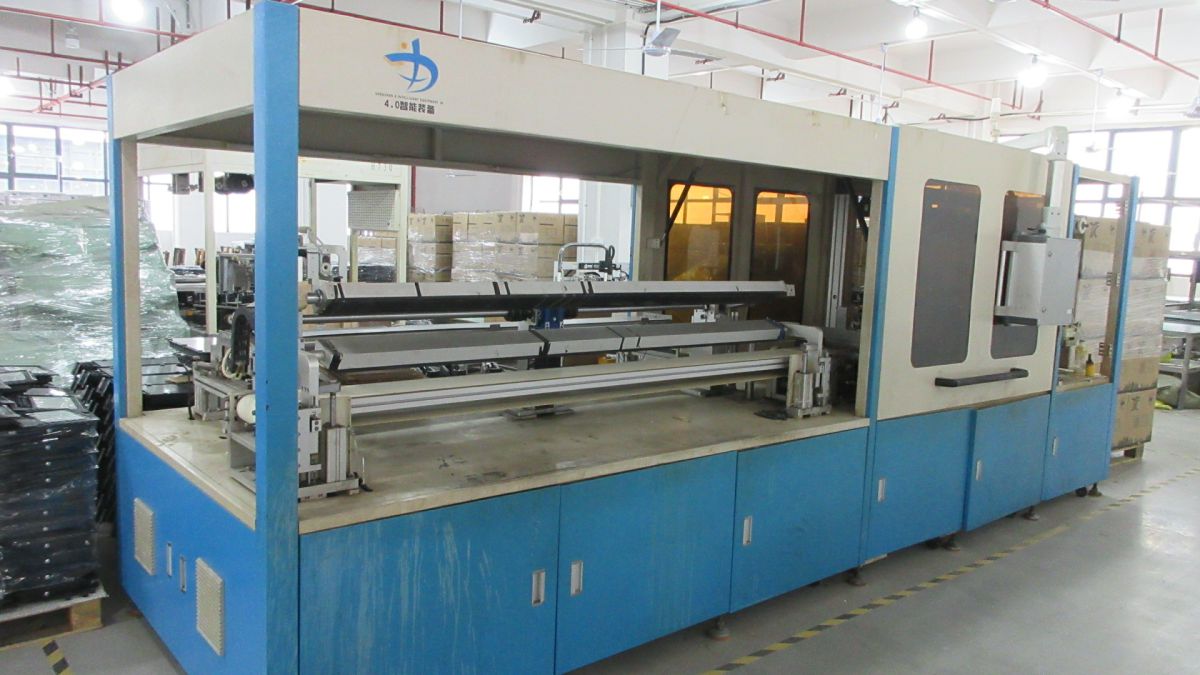 Solar Panel Welding Machine 1
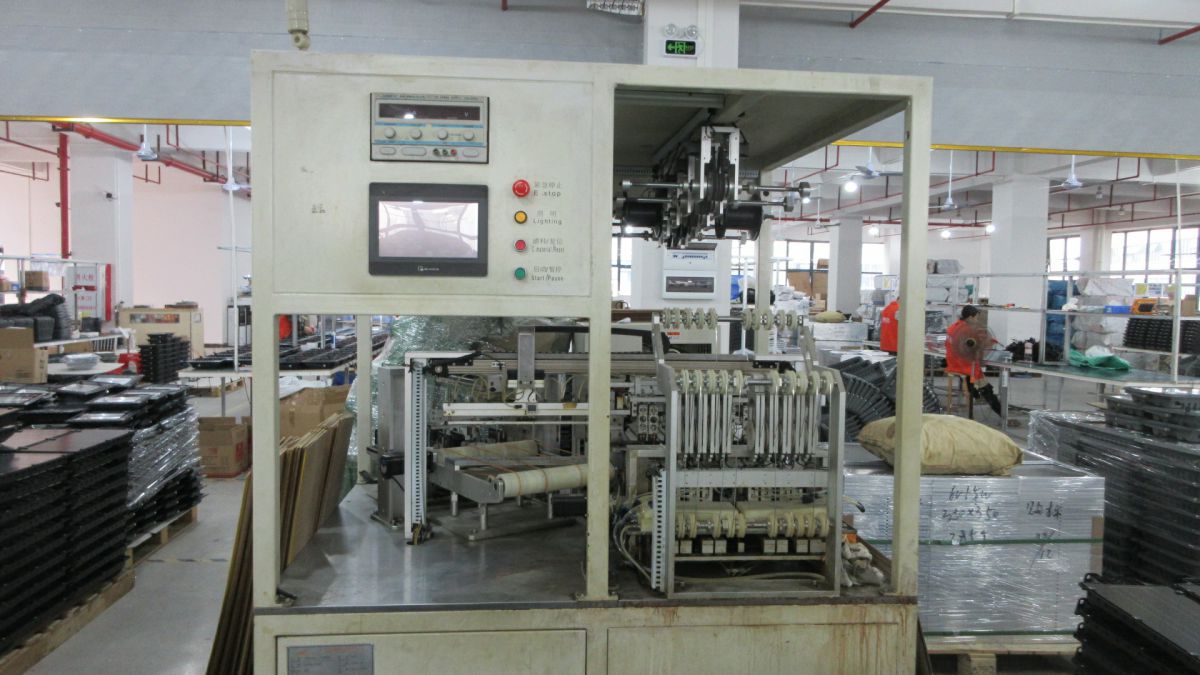 Solar Panel Welding Machine 2
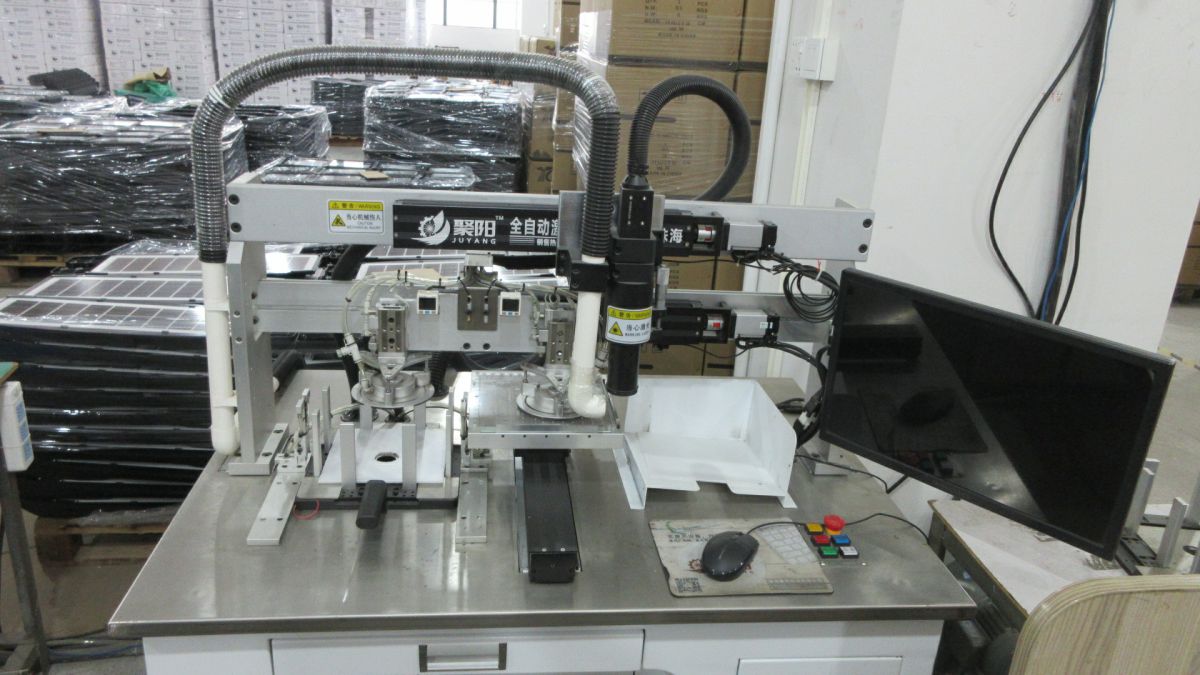 Solar Panel Cutting Machine
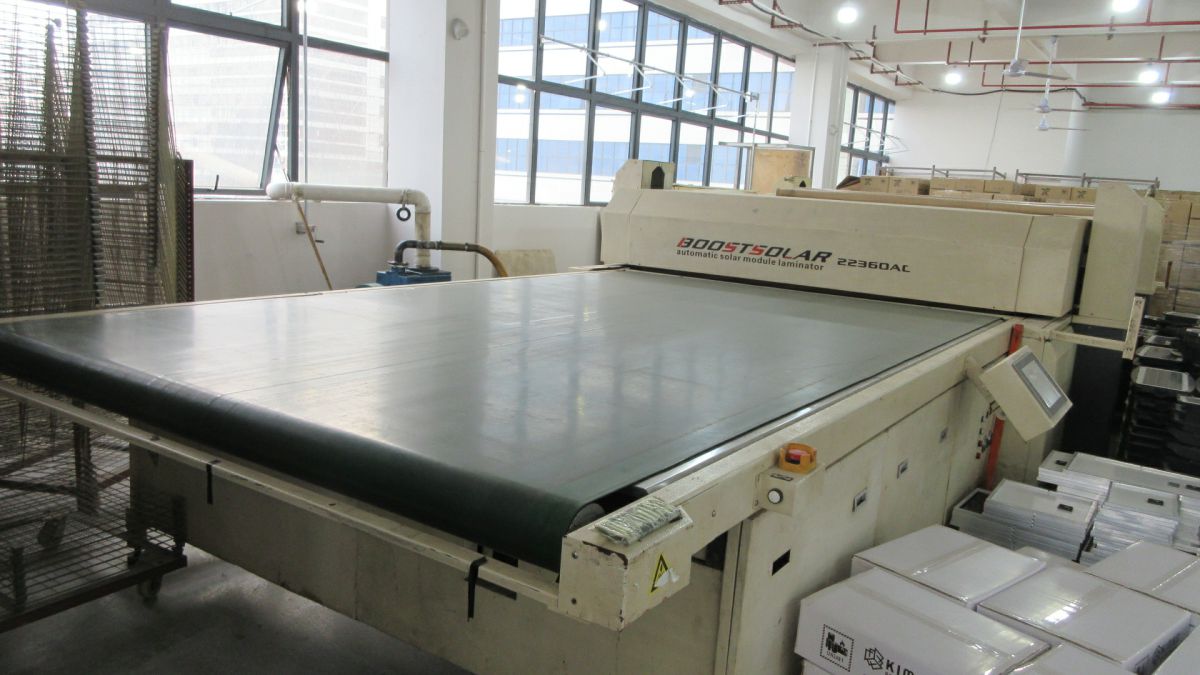 Solar Panel Pressing Machine
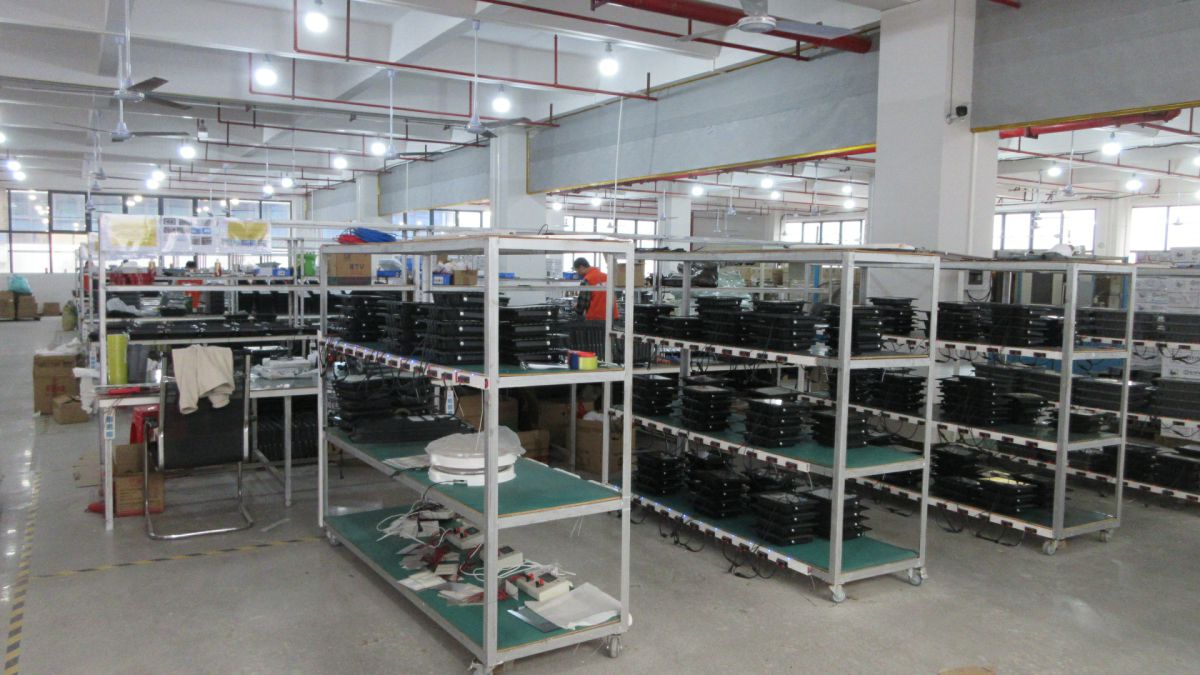 Life Test Table
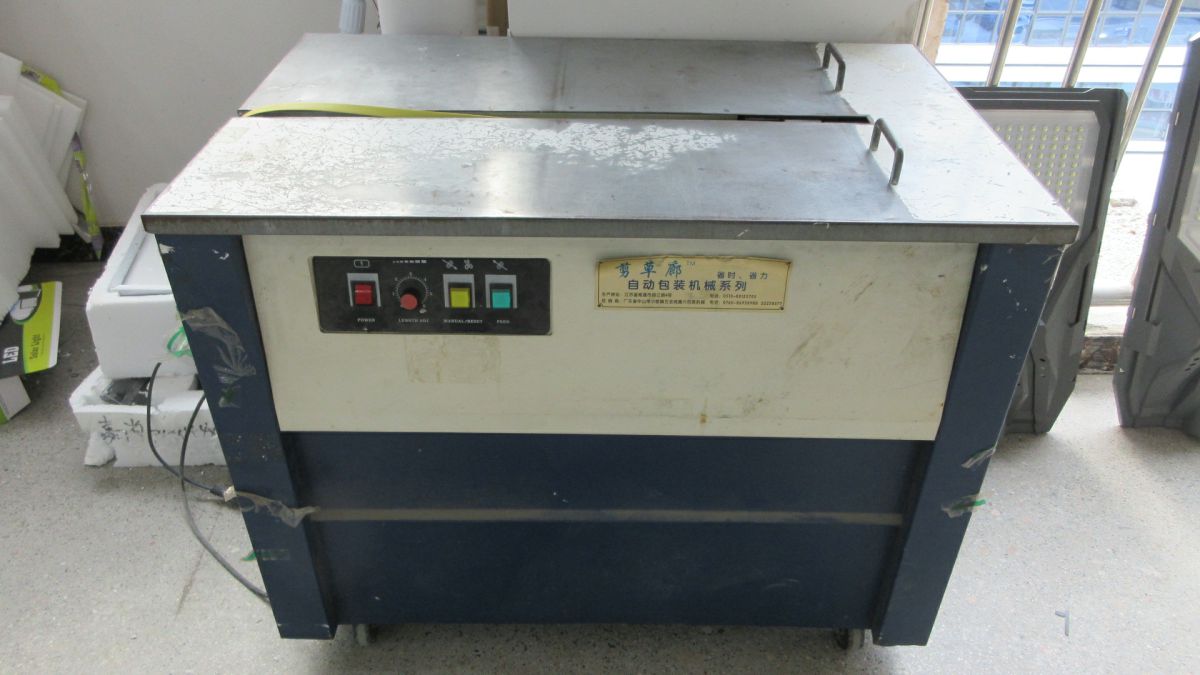 Packing Machine
Driving excellence in LED and solar-powered outdoor solutions since 2010.
Guangdong Habel Lighting Co., Ltd. was established in 2010. We are a professional manufacturer and exporter specializing in the design, development, and production of LED indoor lighting products and LED outdoor lighting solutions. Over the years, we have built a strong reputation in the lighting industry through continuous innovation, reliable quality, and customer-oriented service.
We are equipped with a powerful R&D team that continuously develops new products every year, ensuring our customers always have access to the latest advancements in lighting technology. By staying at the forefront of LED innovation, we are able to deliver energy-efficient, durable, and high-performance lighting solutions for a wide range of applications.
With extensive industry experience and strong technical know-how, Guangdong Habel Lighting has successfully maintained its competitive advantage in the global LED lighting market.
We are committed to building an international lighting brand and actively provide OEM and ODM services to partners worldwide. Our mission is to deliver outstanding lighting solutions that help customers achieve their goals in energy efficiency, sustainability, and cost-effectiveness. We believe in creating long-term partnerships and working together to illuminate a greener and brighter future.
Our leadership team across R&D, quality control, production, and sales departments each has over 5–10 years of experience in the LED lighting industry. This allows us to respond quickly with professional and effective lighting solutions tailored to different market needs.
We maintain a well-stocked inventory of raw materials, ensuring stable supply, faster production cycles, and reduced lead times. This also helps us guarantee consistent product quality from the very beginning of the manufacturing process.
Our quality control manager has over 15 years of experience in lighting inspection and testing. We implement strict QC procedures across materials, production processes, finished products, and shipment stages. Any after-sales feedback is handled quickly, with root-cause analysis and effective corrective solutions.
We respond to customer inquiries and complaints within 24 hours and provide practical solutions within 48 hours, ensuring smooth communication and long-term customer satisfaction.
We consistently invest in product innovation, smart lighting development, and energy-saving technologies. Our goal is to expand our global presence and become a trusted partner in the international lighting industry, helping our partners achieve their goals in energy efficiency, sustainability, and cost-effectiveness.
Ensuring seamless operations, zero liability, and optimal asset life cycles for international projects.
For B2B buyers, municipal engineers, and procurement managers, purchasing solar multicolor lights is not just an initial capital expense (CapEx). It is a structural operating decision. TCO includes assembly costs, maintenance labor (highly critical for remote landscape installations), replacement cell availability, and structural wind resistance. Standardizing on high-grade aluminum housings, IK08-IK10 impact protection glasses, and anti-corrosion marine powder coatings dramatically reduces failure rates, ensuring minimal field interventions and rapid ROI.
Exporting to European, North American, and APAC markets demands absolute compliance. High-quality fixtures maintain CE (LVD/EMC), RoHS, FCC, and UL standard components. For hazardous zone environments, complying with ATEX and IECEx ensures explosion-proof systems operate safely under thermal pressure. IP65, IP66, and IP67 ratings are validated through independent dust-chamber and water-submersion testing, ensuring water ingress will not damage underlying circuitry.
Off-the-shelf lighting solutions rarely meet distinct geographic and site-specific needs. Our custom design services handle specific lux distribution modeling (Dialux), custom mounting brackets for local electrical poles, battery enclosures adjusted for high heat, and software adaptations for customized protocol handshakes (DMX512/RDM). By matching localized distribution channels with strong engineering drawings, projects bypass common delays.
Expert answers addressing the technical, financial, and logistical concerns of commercial sourcing professionals.
By standardizing on high-grade Lithium Iron Phosphate (LiFePO4) chemistry, our batteries deliver optimal performance from -20°C up to +65°C. In extremely cold climates, we can integrate automatic low-temperature charge cutoff and heating elements within the BMS to preserve battery health, yielding a system lifespan of 5-8 years (over 3000 charge-discharge cycles).
Color drift is prevented by using strict single-bin LED chip sorting during production. Additionally, advanced microcontroller firmware monitors the voltage drop across the red, green, and blue diodes, adjusting PWM duty cycles dynamically to account for heat dissipation, assuring uniform output color tone.
Yes. Our fixtures support smart control protocols, ranging from traditional RF remote controllers with multi-channel zoning to smart mesh network architectures (Bluetooth Mesh, Zigbee, LoRaWAN, and Cellular networks), enabling central cloud-based management for large-scale urban projects.
Buyers should demand a complete third-party laboratory IP Testing Report verifying dust prevention (IP6X) and pressurized water ingress resistance (IPX5, IPX6, or IPX7). Additionally, checking for marine-grade anti-corrosive treatments and UV-stabilized seal gaskets prevents outdoor degradation.
Explore our highly reliable, durable, and weather-resistant outdoor utility lighting solutions.
 Habel Lighting