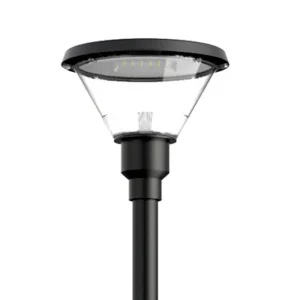
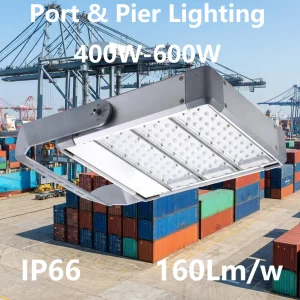
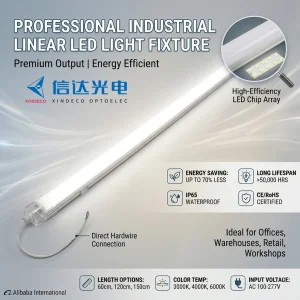
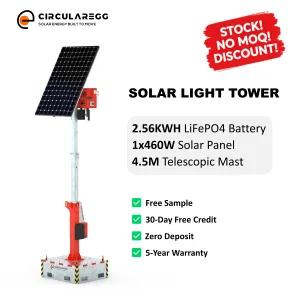
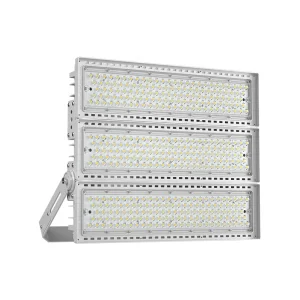
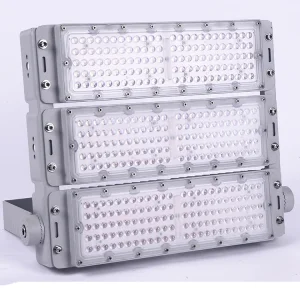
High-efficiency, heavy-duty industrial luminaires engineered to withstand rigorous environmental challenges while ensuring maximum energy savings.
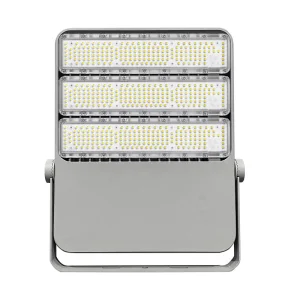
How high-performance downlight designs transform commercial spatial dynamics, visual comfort, and sustainable structural targets.
In high-end architectural lighting, the modern LED downlight is no longer treated as just a ceiling fixture. It is a critical component that controls light distribution, minimizes glare, dictates visual acuity, and establishes environmental ambiance. As sustainable building initiatives such as LEED and WELL standards become global requirements, selecting downlights built with high-efficacy chips, advanced thermal dissipation materials, and robust drivers has become a priority for architects and electrical engineers.
A high-performance commercial downlight is characterized by structural stability, high lumen maintenance (such as L80B10 metrics), low Unified Glare Rating (UGR < 19), and exceptional color rendering (CRI > 90, with R9 values exceeding 50). Modern buildings require multi-functional fixtures that support smart building systems, offering features like triac, 0-10V, or DALI-2 dimming to optimize occupant comfort and energy consumption.
Utilizes deep-recessed optical designs, primary reflectors, and secondary shielding angles to shield the light source from direct line of sight. This reduces eye fatigue in workspaces, retail environments, and educational institutions.
Achieves up to 140 lm/W system efficacy using high-performance Chip-on-Board (COB) or surface-mount diode (SMD) arrays. This provides clear energy savings while maintaining specified illuminance targets (Lux).
Engineered with die-cast aluminum heat sinks that maintain junction temperatures below 85°C. This ensures a design life of over 50,000 hours and minimizes maintenance overheads in hard-to-reach commercial ceilings.
Established Year
LED Lifespan
QC Leadership Experience
Factory Testing & Inspection
Innovation in solid-state lighting: tracing the path from raw components to smart, human-centric lighting ecosystems.
The global LED downlight industry is shifting toward smart, adaptable, and eco-friendly systems. Leading manufacturers are investing heavily in technologies that go beyond simple illumination. This roadmap shows the technological developments shaping current specifications and future designs:
| Technology Layer | Current Market Standards | Advanced Implementations (Habel Lighting) | Future Development (2025 & Beyond) | |||
|---|---|---|---|---|---|---|
| CRI & Spectral Quality | CRI 80, Standard SMD chips, SDCM < 5 | CRI 90/95 (COB & SMD), SDCM < 3 (MacAdam Ellipse) | Full-spectrum sunlight replication, TM-30-18 color fidelity (Rf > 95, Rg ~ 100) | |||
| Thermal Management | Stamping sheet aluminum, passive heatsink | Die-cast aluminum AL6063, optimized air-convection fins | Phase-change heat pipes, carbon-composite thermal structures | Smart-ready drivers, DALI-2, Zigbee 3.0 control protocols | Tunable white (2700K - 6500K), HCL (Human Centric Lighting) | Matter-over-Thread, AI-driven adaptive predictive dimming, LiFi data transport |
| Dimming & Smart Control | Triac dimming down to 10% | 0-10V, DSI, DALI-2 flicker-free down to 0.1% depth | Direct IoT integration, predictive maintenance diagnostics via cloud interfaces | |||
| Optical Control | Standard plastic lenses, basic reflectors | Vacuum-metallized reflectors, PMMA TIR lenses with multiple beam angles | Micro-lens arrays (MLA), dynamic beam angle morphing via electronic control |
In addition, Human Centric Lighting (HCL) represents a major shift in modern office lighting design. By adjusting color temperatures and light levels dynamically to match natural circadian rhythms, HCL helps improve focus, reduce fatigue, and support general well-being. Our latest R&D efforts focus on integrating these tunable modules into standard commercial downlight formats, giving developers a direct path to WELL certification.
Why manufacturing in Guangdong provides structural cost advantages, robust raw material sourcing, and rapid turnaround times.
Guangdong remains a major hub for LED lighting manufacturing. The Pearl River Delta cluster houses a complete supply chain, ranging from semiconductor packaging and driver manufacturing to precision metal stamping, aluminum extrusion, and automated packing facilities. This concentration of specialized suppliers allows factories in Guangdong to coordinate logistics efficiently, source high-quality raw materials, and scale up production to meet demanding schedules.
Guangdong Habel Lighting Co., Ltd. uses this regional advantage to manage lead times, control material quality, and offer flexible customization (OEM/ODM). Our proximity to key component suppliers reduces transportation times, while our raw material inventory strategy minimizes the impact of global supply chain changes.
Controls all manufacturing steps in-house—from design and mechanical machining to product assembly and testing. This ensures tight quality control and faster production times compared to outsourced models.
Fast turnaround for customized requirements, including specialized finishes, custom trim sizes, and specific electrical configurations. Our R&D team can refine designs and provide working mockups quickly.
Our products are engineered to comply with major international certifications (CE, RoHS, SAA, CB, and UL). This helps global distributors and contractors clear local import inspections and building approvals smoothly.
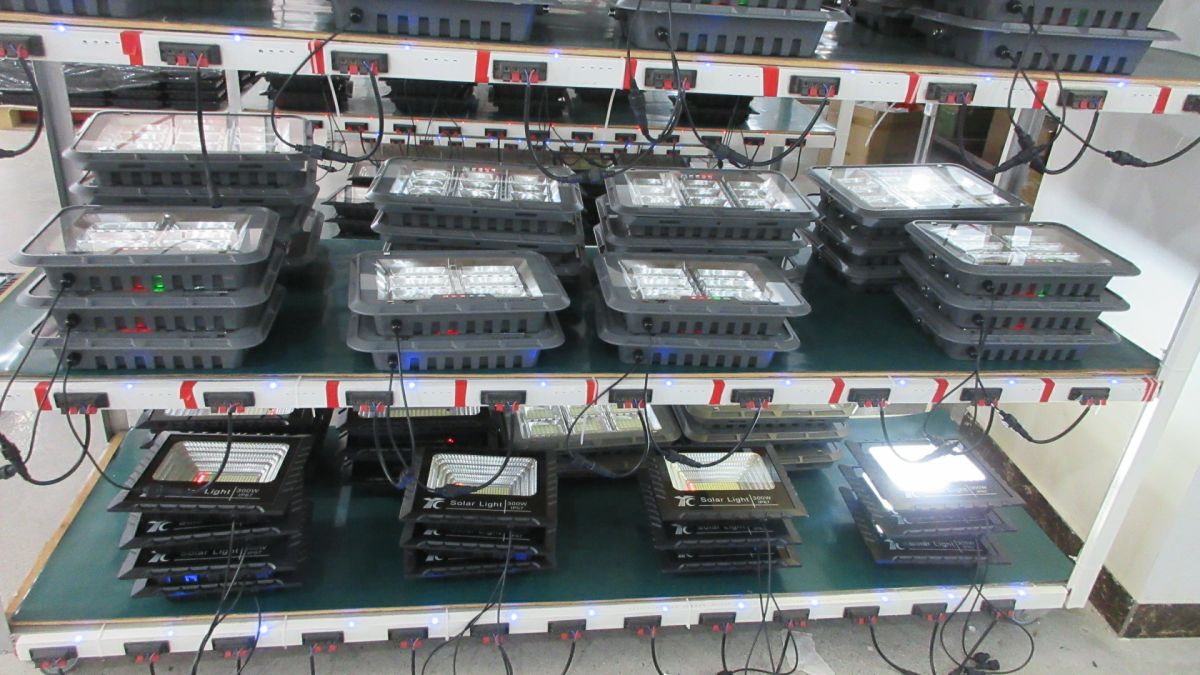
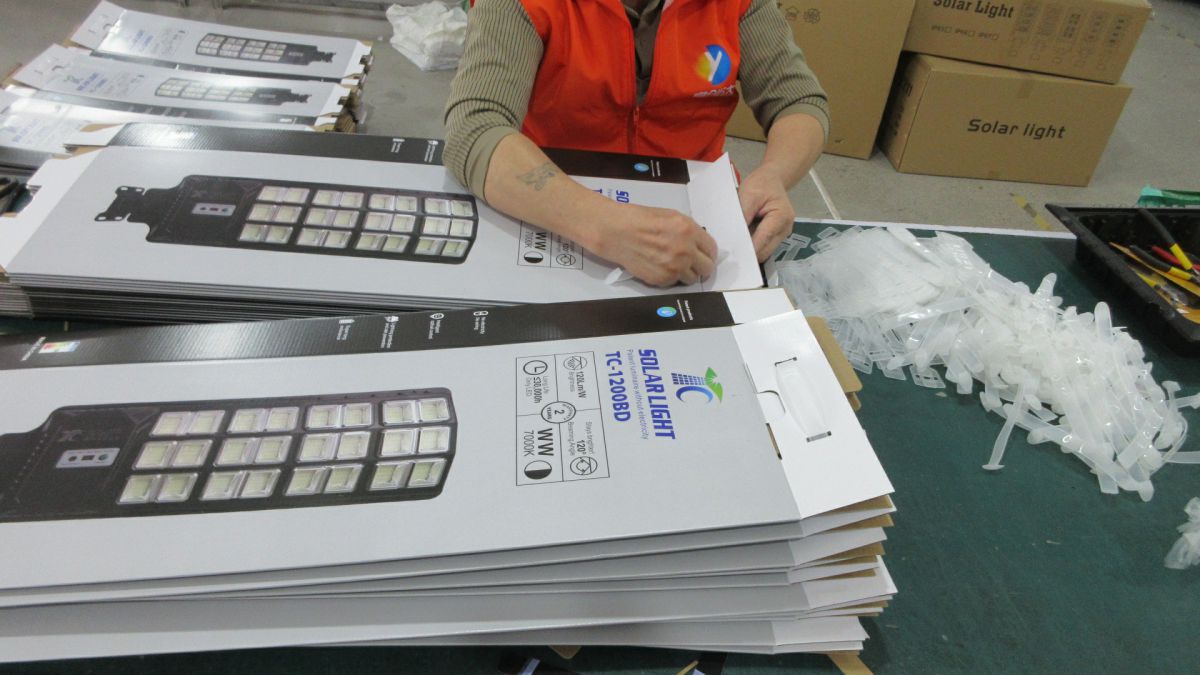
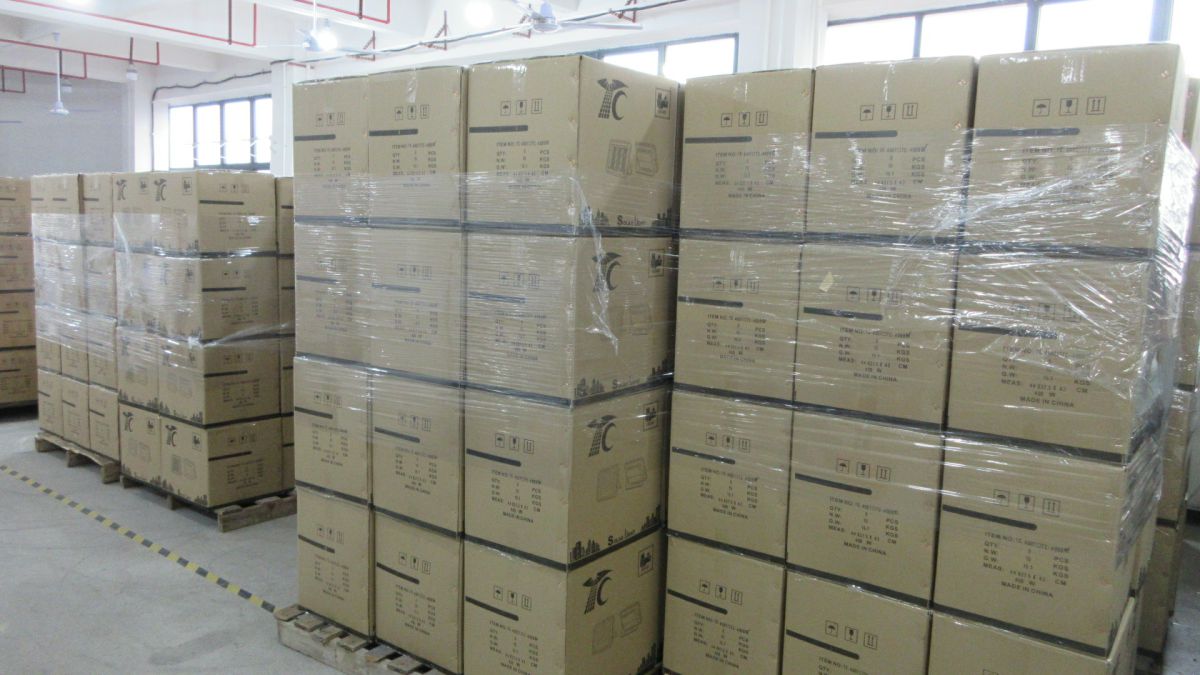
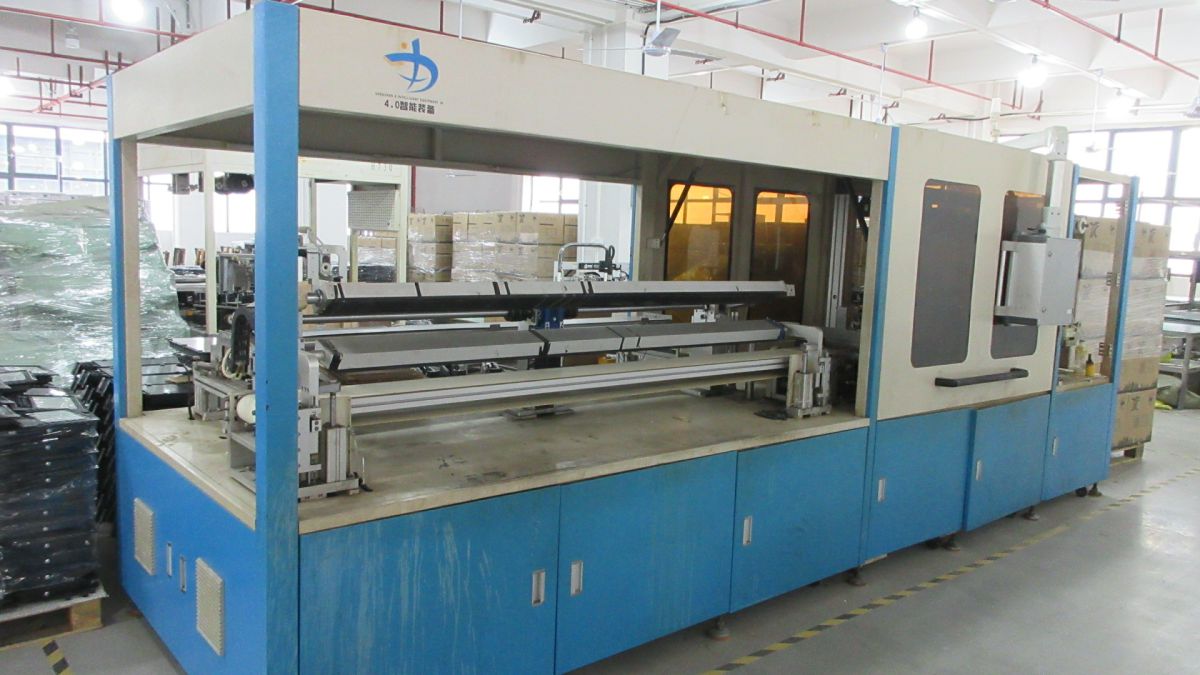
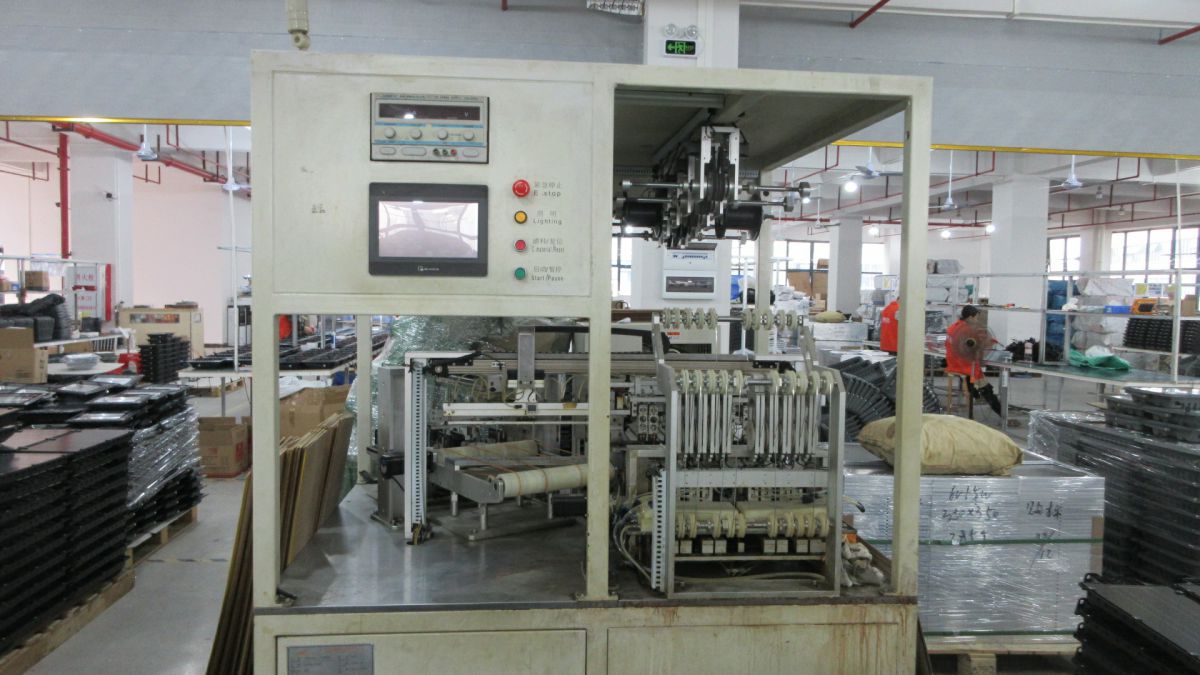
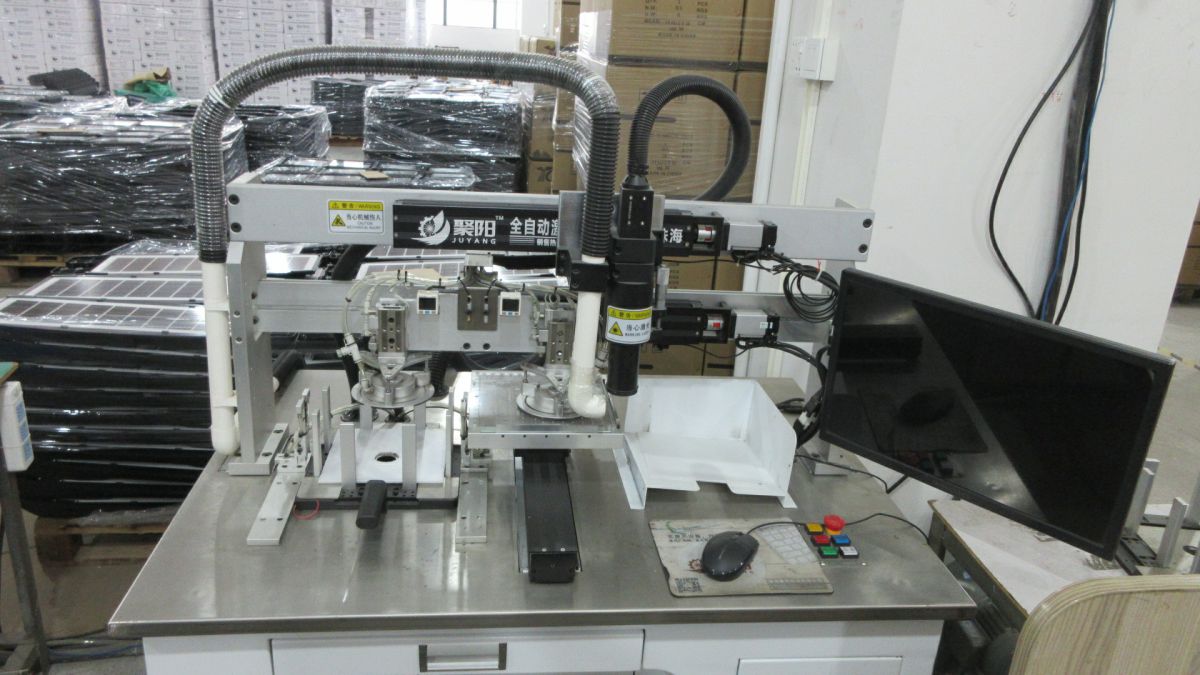
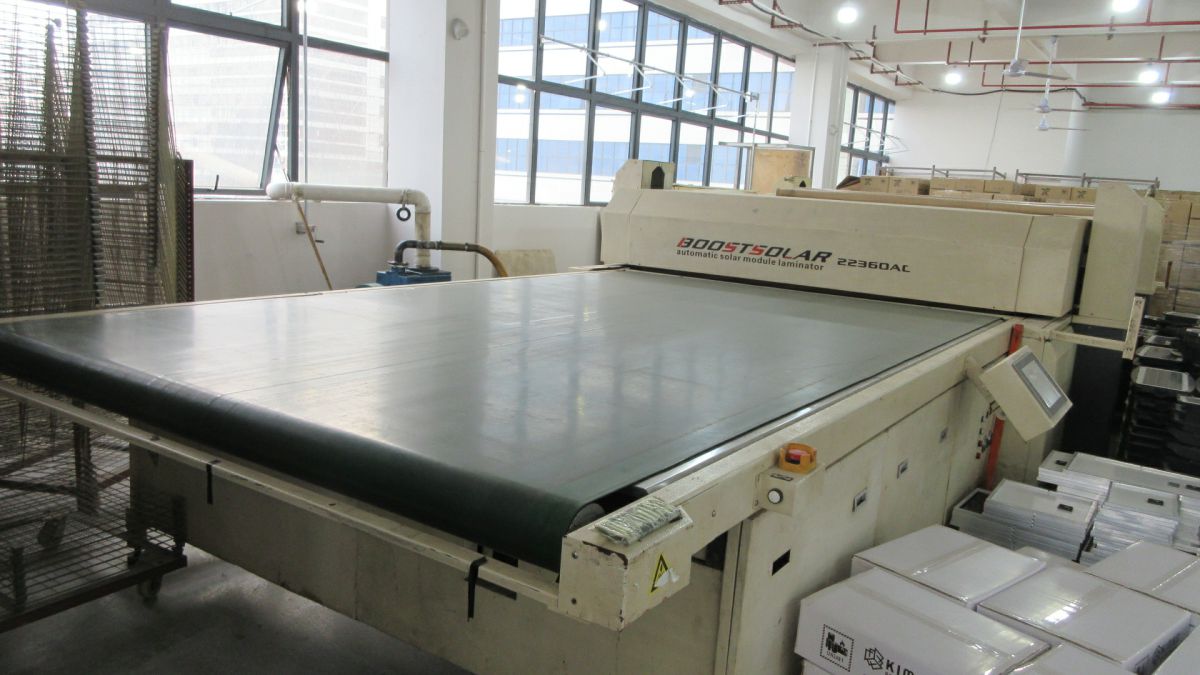
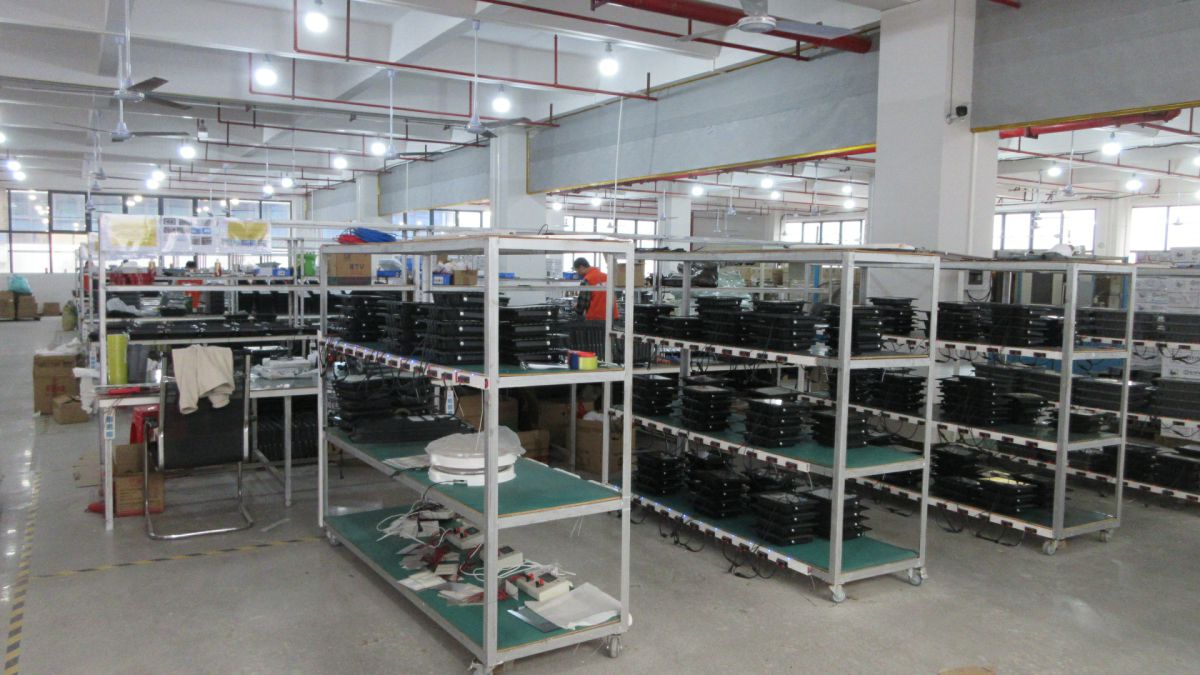
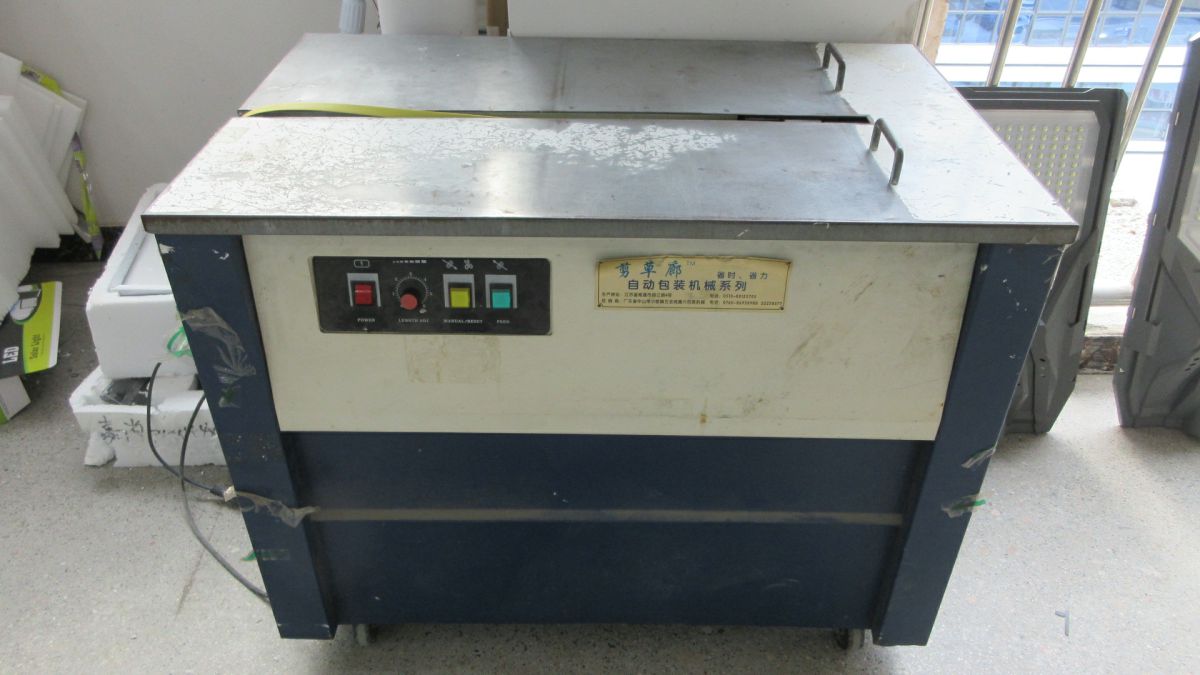
Take a look inside our facility, where automated machinery, assembly lines, and testing equipment ensure consistent performance for every batch.
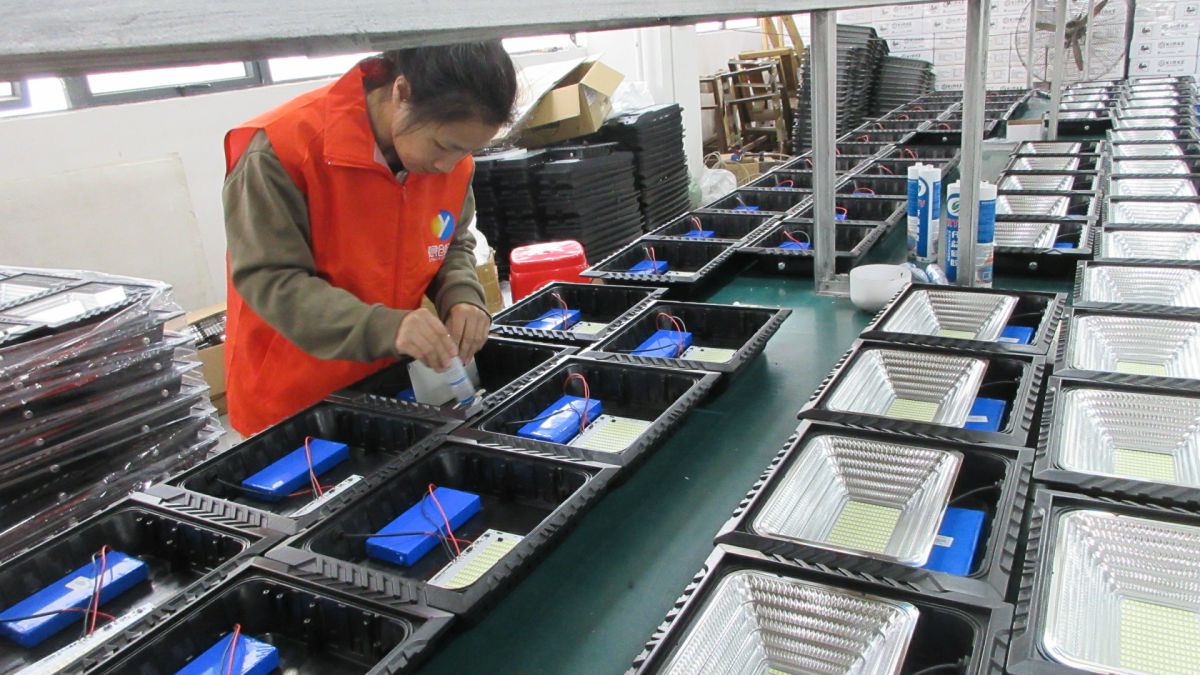
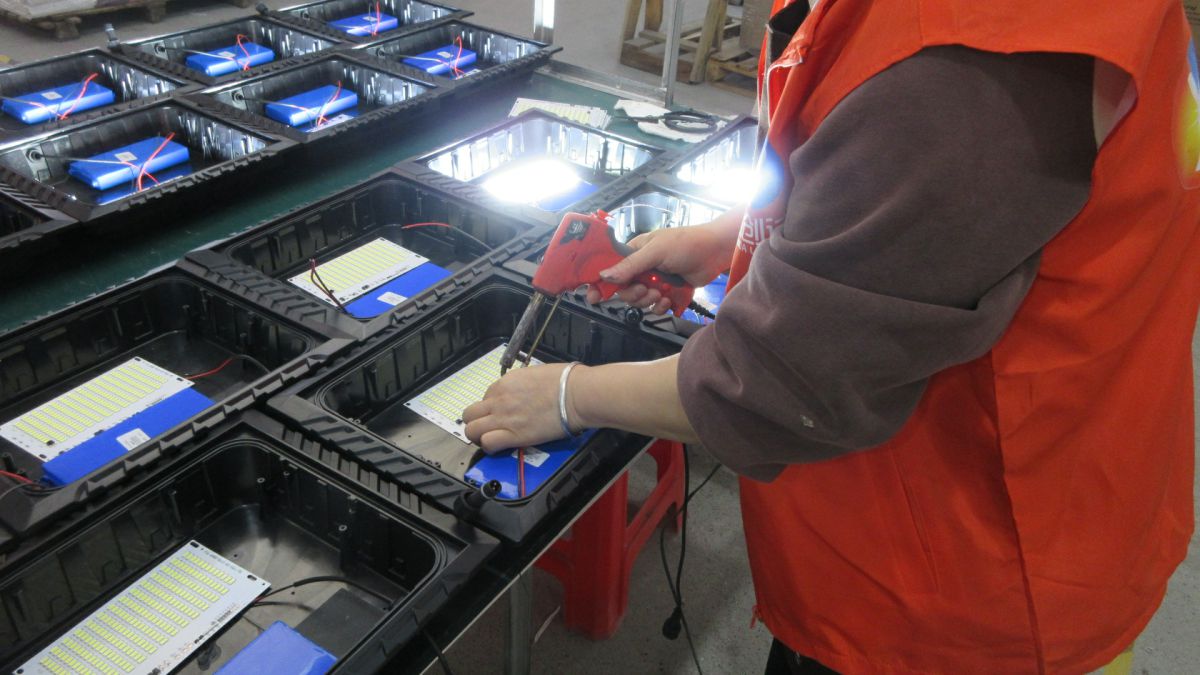
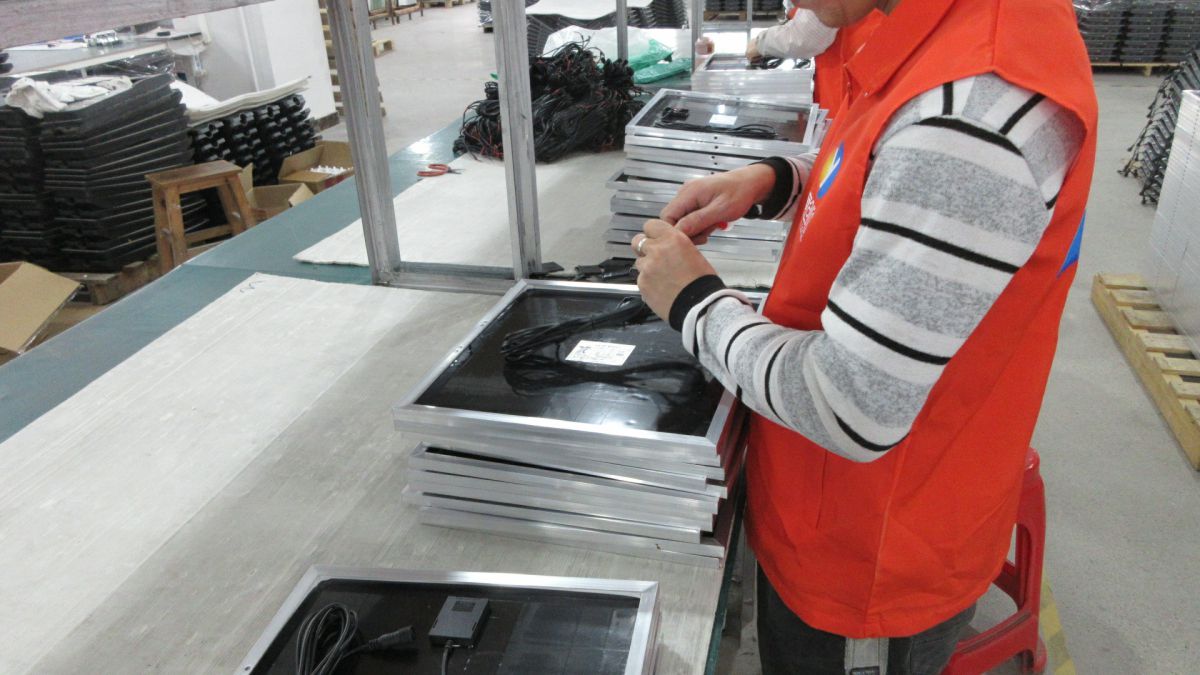
A professional partner in energy-efficient architectural, commercial, and outdoor lighting technology since 2010.
Established in 2010, Guangdong Habel Lighting Co., Ltd. is a manufacturer and exporter specializing in the design, development, and production of LED indoor and outdoor lighting solutions. Over the years, we have built a reputation in the global lighting industry by focusing on innovation, reliable quality, and responsive service.
Our experienced R&D team develops new designs annually, integrating energy-efficient technologies to keep our product range competitive. Our manufacturing practices prioritize thermal stability, optical efficiency, and durability across a variety of applications.
We work as a reliable OEM/ODM partner for brands, wholesalers, and contractors worldwide, delivering lighting solutions that support sustainability goals and reduce energy and maintenance costs.
Our R&D, quality control, production, and sales managers each have 5 to 10 years of experience in the LED industry. This technical background helps us respond quickly to custom specifications and resolve design challenges.
We maintain a steady stock of raw materials, which helps stabilize pricing, protect against supply chain interruptions, and ensure reliable production schedules and consistent quality.
Led by a QC manager with over 15 years of industry experience, our quality control process covers material testing, in-line assembly checks, and final pre-shipment inspections. Any feedback is investigated immediately to resolve root issues.
We reply to technical and commercial inquiries within 24 hours and aim to provide practical solutions within 48 hours, ensuring smooth project management.
We invest regularly in developing new driver technology, smart lighting compatibility, and energy-saving designs to meet changing market requirements.
We export to key markets worldwide, helping clients navigate importing procedures, safety certificates, and local distribution requirements.
Answers to common engineering and procurement questions for commercial lighting applications.
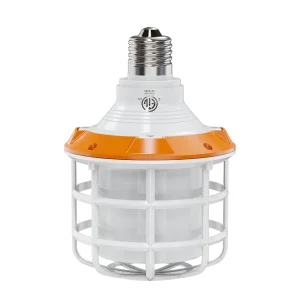
Engineered for specialized environments, offering features like high lumen output, explosion-proof protection, and weather resistance.
 Habel Lighting